You start a retinol. A salicylic acid serum. A new niacinamide product. And within two weeks, your skin looks worse — new spots you do not recognise, in places you do not usually break out. You are looking for permission to keep going or a reason to stop.
The distinction between purging and a genuine breakout reaction is one of the most clinically important things you can understand about your skin. Getting it wrong means either quitting a product that was about to transform your skin, or persisting with one that is causing real harm.
Purging is temporary, product-mechanism-specific, and zone-specific. It follows the same patterns as your existing acne — same spots, same types. A reaction looks different, appears in new areas, and does not improve after 4–6 weeks. The ingredient tells you whether purging is even possible.
What Is Skin Purging?
Purging is not a universal response to new skincare products. It only occurs with ingredients that meaningfully accelerate skin cell turnover — specifically, ingredients that speed up the shedding of the stratum corneum (the outermost layer of dead skin cells).
When cell turnover accelerates, everything already forming in the skin — comedones, micro-comedones, the precursor to spots that would have surfaced in three weeks — gets pushed to the surface faster. The result is that spots which would have appeared gradually over six weeks appear in two weeks instead. The total number of breakouts is the same, or potentially fewer. They are just compressed in time.
This is purging. It is not your skin rejecting the product. It is your skin processing a backlog faster than usual.
Which Ingredients Cause Purging?
This is the critical test. If the ingredient you introduced does not accelerate cell turnover, what you are experiencing is not purging — it is a reaction.
| Ingredient | Can Cause Purging? | Mechanism |
|---|---|---|
| Retinol / Retinoids (Tretinoin, Adapalene) | ✅ Yes | Accelerates keratinocyte turnover — the classic purge trigger |
| Salicylic Acid (BHA) | ✅ Yes | Exfoliates inside the pore, accelerates comedone clearance |
| Glycolic / Lactic Acid (AHAs) | ✅ Yes | Surface exfoliation speeds up dead cell shedding |
| Benzoyl Peroxide | ✅ Yes | Rapid comedolysis and turnover acceleration |
| Niacinamide | ❌ No | No turnover acceleration — breakouts are reactions |
| Hyaluronic Acid | ❌ No | Humectant only — no turnover mechanism |
| Vitamin C | ❌ No | Antioxidant, mild brightening — not a turnover agent |
| Ceramides / Peptides | ❌ No | Barrier repair only — breakouts are contact reactions |
| SPF / Sunscreen | ❌ No | Breakouts = comedogenic formulation or contact reaction |
If you started a niacinamide serum and are now breaking out — that is not purging. Niacinamide has no mechanism that could cause purging. You are either reacting to an ingredient in the formulation, or something else in your routine has changed.
How to Tell Purging From a Reaction: 5 Diagnostic Questions
1. Is the ingredient on the purge-capable list?
If not — it cannot be purging. Stop using the product and let your skin recover.
2. Are new spots appearing in zones you normally break out?
Purging is zone-specific. If you are an oily T-zone person who normally gets spots on your forehead and nose, purging will appear there. If you are suddenly breaking out on your cheeks, temples, or jawline — areas you never or rarely break out — that is a reaction. The mechanism: purging accelerates the timeline on existing microcomedones in follicles already prone to clogging. It cannot create new clog-prone follicles where they did not previously exist.
3. What do the spots look like?
Purging tends to produce whiteheads and small, superficial comedones — the type of spots that were already forming. A genuine reaction is more likely to produce inflamed, cystic, or irregular breakouts unlike your normal acne pattern.
4. How long has it been?
Purging follows the skin cell cycle, which is approximately 28 days (longer in your 30s and beyond — up to 40–60 days). Purging should peak within 2–4 weeks and begin to visibly improve by week 4–6. If you are still getting worse at week 8 with no improvement, it is a reaction.
5. Did anything else change at the same time?
New pillow case? New diet change? Stopped a contraceptive? New cleanser? Breakouts that correlate with multiple changes are unlikely to be a single product purge. Isolate variables before attributing a breakout to a new active.
- Ingredient is a retinoid, BHA, AHA, or benzoyl peroxide
- Spots in your usual acne zones only
- Similar types of spots to your normal acne
- Improving or plateaued by week 4–6
- No new unusual spot types (deep cysts in new areas)
- Ingredient is niacinamide, HA, vitamin C, ceramides, SPF
- Breakouts in zones you never normally get spots
- Unusual spot types — deep, cystic, itchy, or irregular
- Still worsening after 6–8 weeks
- Redness, stinging, or visible irritation alongside breakouts
How to Manage a Purge Correctly
The worst thing you can do during a purge is add more products trying to fix it. Every new product you introduce becomes a confounding variable. You will not know what caused what, and you are likely to irritate an already-stressed skin barrier.
Morning: Gentle cleanser → moisturiser → SPF 50+
Evening: Gentle cleanser → the purge-causing active (start slow: 2–3x per week max) → barrier-supporting moisturiser with ceramides
Do not add: scrubs, new actives, clay masks, or anything harsh. Your barrier is under stress.
Start any new active at the lowest frequency possible — every third night for retinol, 2–3 times per week for BHAs. This limits the speed of cell turnover acceleration, softening the purge intensity. Building frequency gradually over 4–8 weeks gives your skin time to adapt.
Indian Skin Specifics: Why Purging Can Look Worse Here
Indian skin — specifically Fitzpatrick types IV–VI which dominate most of the subcontinent — has a higher concentration of active melanocytes and is more prone to post-inflammatory hyperpigmentation (PIH). This means that purge spots often leave significantly darker marks than they do on lighter skin, which can make a purge look more severe and longer-lasting than it actually is.
The spots themselves may heal at the same rate as on lighter skin. But the dark marks they leave can persist for 3–6 months. This is PIH, not active acne — and it responds to niacinamide, Vitamin C, and SPF, not to stopping the active that caused the purge.
Many Indian users stop a retinol or salicylic acid because "the dark marks got worse". In most cases, the acne has actually cleared — but the PIH left behind looks like ongoing breakouts. These are not active spots — they are post-inflammatory marks. Niacinamide and diligent SPF will fade them. Stopping your active because of marks that were always going to appear is one of the most common mistakes in Indian skincare.
When to Actually Stop the Product
Stop immediately if you experience:
- Itching, burning, or stinging that does not subside within 30 minutes of application
- Visible redness, swelling, or hives around application areas
- Cystic, painful breakouts in zones you have never broken out before
- No improvement after 8 full weeks of consistent use
- Skin feels more sensitive and reactive over time, not less
Stop cautiously (taper down, do not quit cold turkey) if you are using prescription retinoids. Sudden discontinuation can cause rebound purging. Consult a dermatologist before stopping tretinoin or adapalene.
Recommended Products for Purges & Breakouts
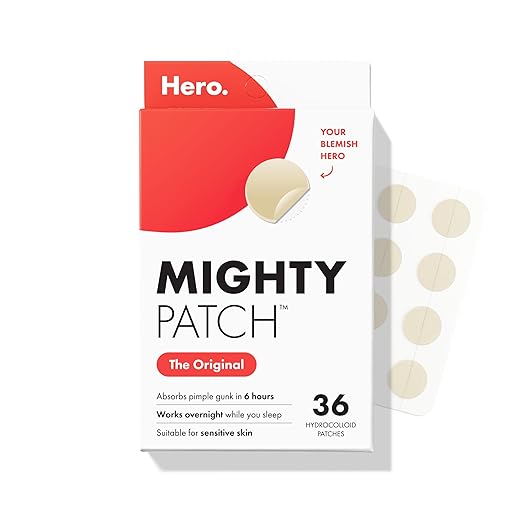
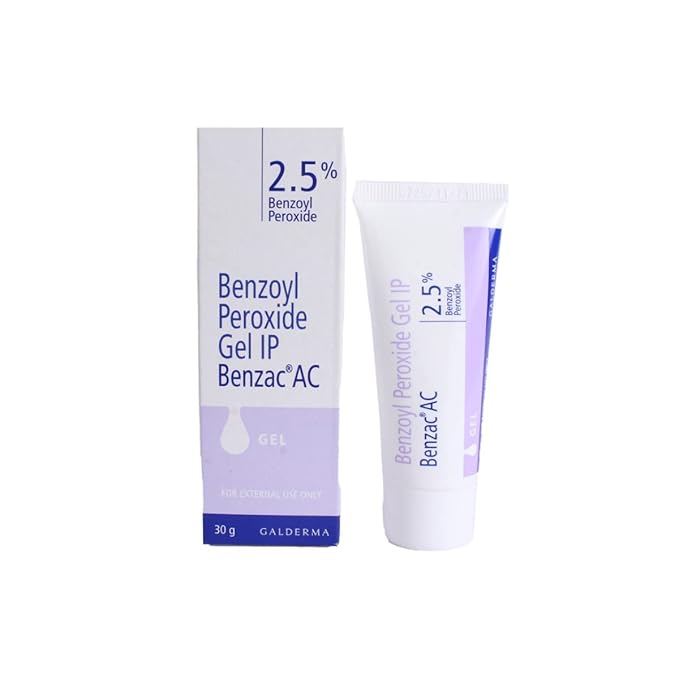
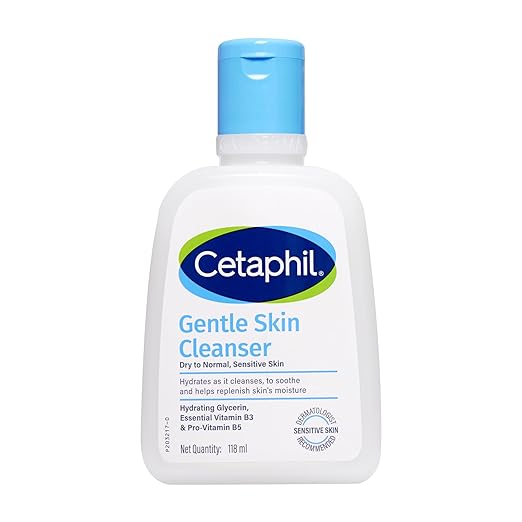
Whether managing a temporary purge or treating active breakouts, these dermatologist-tested picks soothe inflammation and protect your barrier:
- The Complete Salicylic Acid Guide for Indian SkinBHA deep-dive →
- Active Acne Treatment India — What Actually WorksAcne treatment →
- The Complete Guide to Treating Pigmentation on Indian SkinPIH guide →
- Damaged Skin Barrier: How to Actually Repair ItBarrier recovery →
- Niacinamide vs Vitamin C — Which Does Indian Skin Need?Actives guide →
- Mukherjee S, et al. Retinoids in the treatment of skin aging: an overview of clinical efficacy and safety. Clinical Interventions in Aging. 2006;1(4):327–348. PMC
- Zaenglein AL, et al. Guidelines of care for the management of acne vulgaris. Journal of the American Academy of Dermatology. 2016;74(5):945–973. JAAD
- Davis EC, Callender VD. Postinflammatory hyperpigmentation: a review of the epidemiology, clinical features, and treatment options in skin of color. Journal of Clinical and Aesthetic Dermatology. 2010;3(7):20–31. PMC
- Del Rosso JQ, Levin J. The clinical relevance of maintaining the functional integrity of the stratum corneum in both healthy and disease-affected skin. Journal of Clinical and Aesthetic Dermatology. 2011;4(9):22–42. PMC
This post contains affiliate links to Amazon India. Purchases made through these links earn Mirha & Co. a small commission at no extra cost to you. Product selection is based on ingredient research, dermatologist guidance, and verified customer reviews. No products are gifted or sponsored.