India has one of the highest rates of facial hyperpigmentation in the world. The combination of high UV index, hormonal fluctuation, pollution, and Fitzpatrick skin types III–VI creates the perfect environment for stubborn dark spots. Most products don't work because they're not formulated for this specific biology. This guide is.
If you've tried brightening serums that "didn't work," this is probably why: you were using the wrong ingredient for your type of pigmentation. There are three distinct types, each with a different mechanism, and each requiring a different active. Using a vitamin C serum on deep hormonal melasma is like treating a fungal infection with antibiotics — the wrong tool, regardless of quality.
This guide breaks down the science, matches each pigmentation type to the correct ingredient, and gives you the specific products available on Amazon India that are formulated to work on Indian skin tones in Indian conditions.
Three Types of Pigmentation. Three Different Fixes.
Post-Inflammatory Hyperpigmentation (PIH) is the dark mark left after acne, waxing, rashes, or any skin trauma. It is the most common pigmentation type in Indian skin due to higher melanin reactivity. The good news: it responds well to topical treatment. The bad news: picking at it, or using the wrong actives, makes it significantly worse.
Melasma presents as larger, symmetrical patches — typically on the forehead, cheeks, and upper lip. It is hormonally driven, often triggered by pregnancy, contraceptive pills, or thyroid irregularities, and consistently worsened by UV exposure. It is the most stubborn type and requires a multi-ingredient approach. For established melasma, a dermatologist should be part of the plan.
Sun-induced dark spots (solar lentigines, tan patches) are caused directly by UV radiation triggering excess melanin in localised areas. These respond fastest to treatment, especially when combined with diligent SPF use.
A consensus review by India's Pigmentary Disorders Society (PDS) published in the Indian Journal of Dermatology identified melasma as affecting up to 40% of women in sun-exposed regions of India. The review noted that Fitzpatrick types IV–VI — dominant across the Indian subcontinent — have higher melanocyte reactivity, meaning any inflammatory trigger (acne, friction, UV, heat) produces more pigmentation than the same trigger would in lighter skin types. This is the biological basis for why Indian skin is disproportionately affected by PIH and melasma.
Sarkar R, et al. Pigmentary Disorders Society India Consensus. Indian J Dermatol. 2017.Which Ingredient Works for Which Pigmentation.
The Indian skincare market is flooded with "brightening" products. Almost all of them contain some combination of vitamin C, niacinamide, and fruit extracts. These are fine for general maintenance but insufficient for established pigmentation. Here are the four actives backed by robust clinical evidence:
| Ingredient | Best For | How It Works | Timeline |
|---|---|---|---|
| Tranexamic Acid 3–5% | Melasma, hormonal pigmentation | Blocks UV-induced melanocyte–keratinocyte signalling | 8–12 weeks |
| Alpha Arbutin 1–2% | PIH, acne marks | Inhibits tyrosinase enzyme | 6–10 weeks |
| Kojic Acid 1–2% | Sun spots | Reduces melanin synthesis | 4–8 weeks |
| Azelaic Acid 10–20% | PIH + acne | Targets abnormal melanocytes | 8–12 weeks |
A 2020 study in the Journal of Cosmetic Dermatology compared topical tranexamic acid 5% against low-dose hydroquinone for melasma in Indian patients over 12 weeks. Tranexamic acid produced comparable reduction in MASI (Melasma Area Severity Index) scores while causing significantly fewer adverse effects, including zero cases of ochronosis (a permanent darkening paradox seen with prolonged hydroquinone use). The study authors concluded tranexamic acid is particularly suited to Indian skin due to its mechanism not relying on inflammation — a key concern given Indian skin's heightened melanocyte reactivity to inflammatory triggers.
Ebrahim HM, et al. J Cosmet Dermatol. 2020;19(12):3177–3182.Hydroquinone is banned in several countries and carries a risk of ochronosis (paradoxical permanent darkening) with extended use, particularly in darker skin tones. Despite being available over the counter in India in low concentrations, dermatologists increasingly favour tranexamic acid, alpha arbutin, and azelaic acid as safer long-term alternatives. Avoid purchasing unbranded "whitening" creams that often contain undisclosed concentrations of hydroquinone or topical steroids.
What to Buy. All on Amazon India.
Every product below is selected on three criteria: correct active ingredient at clinically relevant concentration, fragrance-free formulation (fragrance triggers PIH in sensitive Indian skin), and verified long-term reviews on Amazon India. None of these appear anywhere else on this site.
For melasma and hormonal pigmentation — start with tranexamic acid. It is the only OTC ingredient with clinical evidence specifically for the hormonally driven melasma mechanism. Use it at night. Always follow with SPF in the morning.
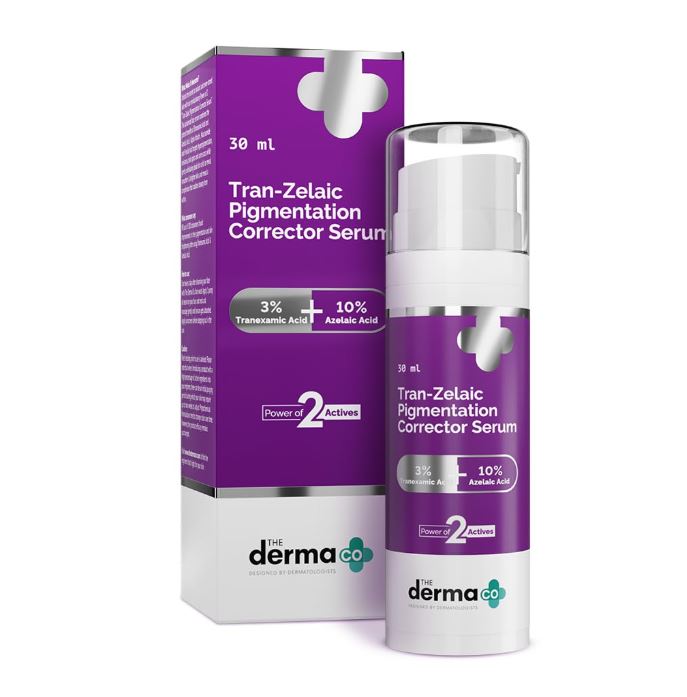
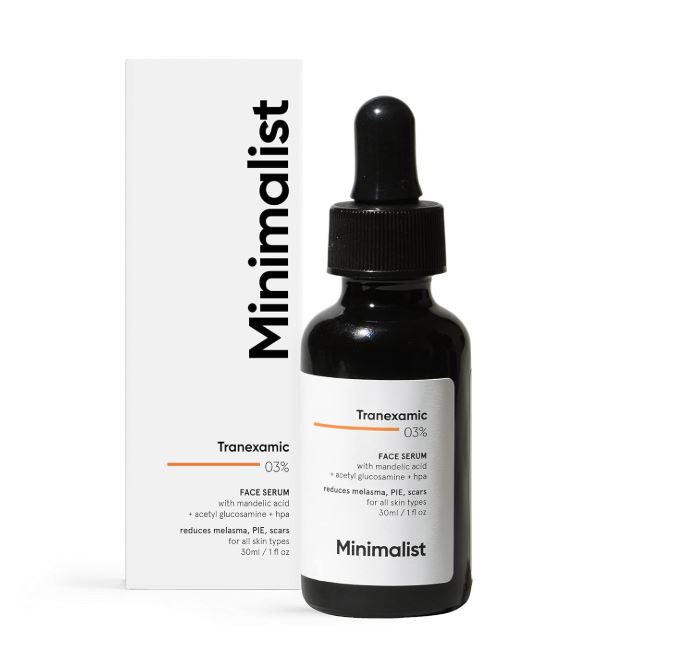
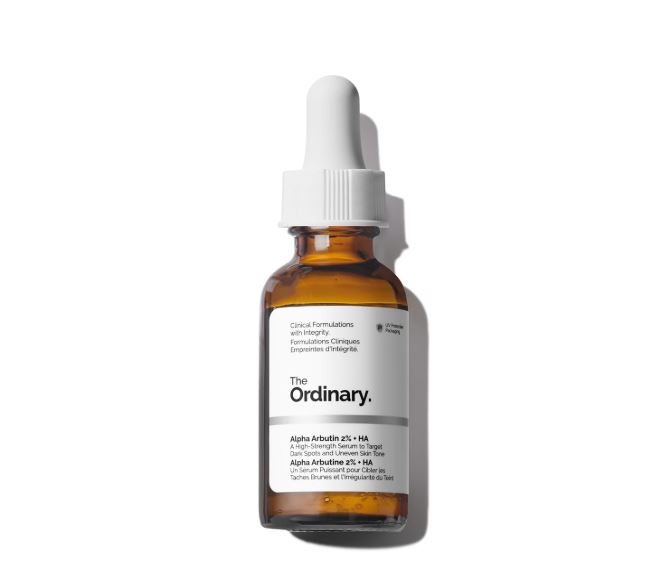
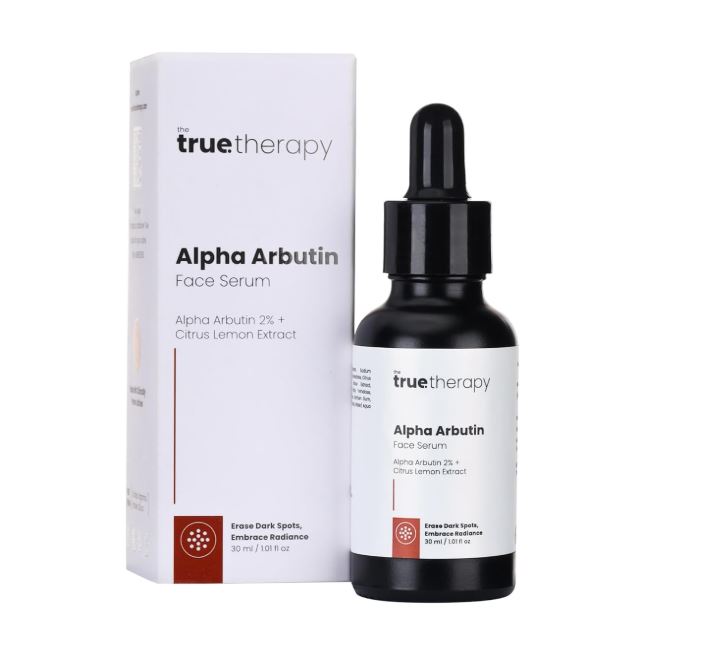
For PIH and post-acne marks — alpha arbutin is the gentler, more targeted option. It specifically inhibits tyrosinase in melanocytes without affecting surrounding skin. More stable than kojic acid in Indian humidity and heat. Combine with your existing niacinamide if you have it.
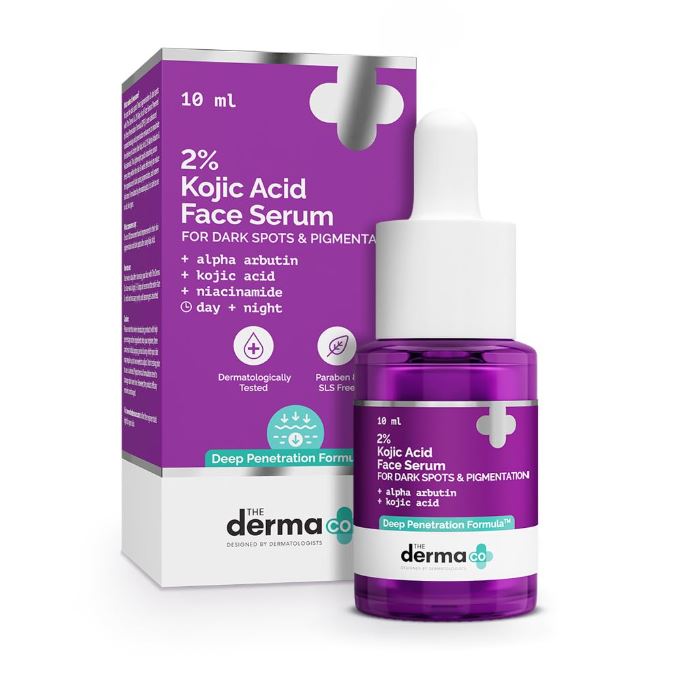
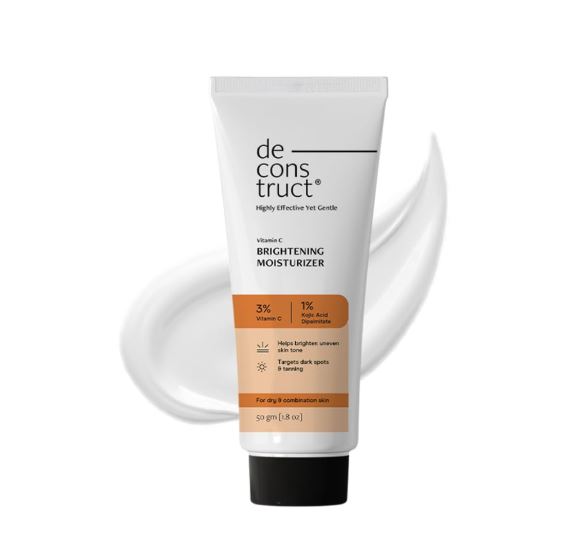
For surface sun spots and tan patches — kojic acid works fastest on superficial melanin. It degrades quickly if not formulated properly (always choose opaque, airless packaging), but at 1–2% in a good base it delivers visible results in 4–6 weeks when paired with SPF.
How to Build the Routine Around These Actives.
Layering multiple pigmentation actives simultaneously sounds logical but frequently causes irritation — which in Indian skin triggers more PIH, making the problem worse. The correct approach is sequential: one active for 8 weeks, assess, then add if needed.
1–2
3–8
9–12
12+
You can use every active on this list perfectly and still see zero improvement if you skip sunscreen. UV exposure directly reactivates melanocyte production and will undo the effect of your active within 48 hours of unprotected sun exposure. SPF 50 PA++++ applied every morning is not optional in this routine. It is the treatment. Everything else supports it.
What Indian Skin Should Never Do for Pigmentation.
Don't use physical scrubs on PIH. Walnut, apricot, and sugar scrubs cause micro-tears in the skin and trigger inflammatory responses that produce more pigmentation. If you want exfoliation, use a low-percentage AHA (lactic acid 5%) as a chemical exfoliant once weekly.
Don't start with retinol for pigmentation. Retinol is excellent for long-term skin renewal but causes significant purging and irritation in the first 6–8 weeks — both of which cause PIH in Indian skin. Establish your pigmentation actives first. Retinol can be introduced after 3 months of barrier stabilisation.
Don't use lemon juice, turmeric, or raw potato on your face. These are cited in every home remedy list. Lemon juice at its natural pH (2–3) causes chemical burns. Turmeric stains. Uncontrolled acids on Indian skin trigger reactive pigmentation. There is no clinical evidence for any of these treatments and significant evidence of harm.
Don't buy products marketed as "fairness" or "whitening." These terms are not regulated. The products often contain undisclosed topical steroids or high concentrations of kojic acid without barrier support, causing steroid-induced skin thinning and eventual rebound darkening.
Consistent. Patient.
Sun-Protected.
Pigmentation doesn't vanish in a week. But with the right active for your specific type and SPF every morning — it fades, reliably.
This post contains affiliate links to Amazon India. Purchases made through these links earn Mirha & Co. a small commission at no extra cost to you. Product selection is based solely on ingredient science, dermatologist guidance, and verified Amazon India customer reviews. No products are gifted or sponsored.
About this guide
Curated by Mirha & Co.
We curate skincare products based on ingredient quality, real user reviews, and suitability for Indian skin and climate conditions. No paid placements — only products we genuinely believe are worth trying.
Affiliate links may earn us a commission at no extra cost to you.