This question gets asked constantly. And the answer is almost always served with so many caveats it becomes useless.
Here is the plain version: niacinamide and Vitamin C do different things, target different stages of the same problem, and work better together than either does alone. The question is not which one to choose — it is whether you understand how to use both without wasting one of them.
The Myth That Started This Debate
For years, the accepted advice was that niacinamide and Vitamin C should not be used together. The concern was that combining them would produce nicotinic acid — a compound that causes skin flushing and redness.
The original concern came from studies that combined pure, pharmaceutical-grade forms of both ingredients at temperatures far beyond anything that occurs in a skincare product. Modern dermatological research has confirmed that in properly formulated skincare products, niacinamide and Vitamin C are safe to use together and do not produce meaningful amounts of nicotinic acid under normal conditions. Board-certified dermatologist Dr. Michelle Henry confirmed this directly: the combination is not only safe but can be advantageous, as each ingredient addresses skin health through distinct mechanisms that are complementary rather than conflicting.
The myth persists because it sounds plausible and because some brands benefited from the idea that their ingredient was incompatible with competitors' products. The science does not support it.
What Niacinamide Does
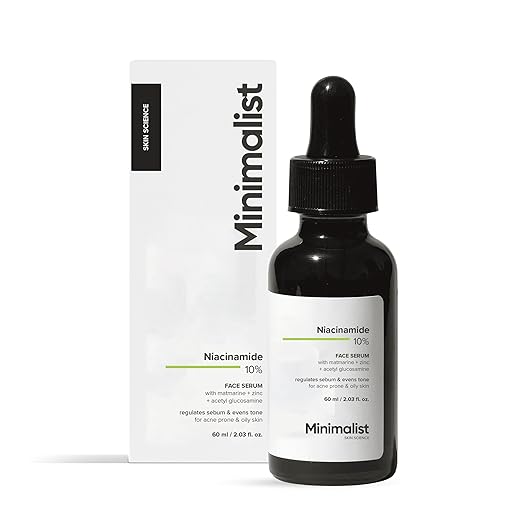
Niacinamide (Vitamin B3) works primarily by inhibiting melanosome transfer — the process by which pigment packets move from melanocytes (the cells that produce colour) into the surface keratinocytes (the cells that make up visible skin). The result is that existing dark spots fade and new ones form more slowly.
Beyond pigmentation, niacinamide reduces sebum production, calms inflammatory acne, strengthens the skin barrier, and has measurable antioxidant activity. A 2024 comprehensive review in Antioxidants (MDPI) described niacinamide as aligning with the "Kligman standards" — the gold standard framework for evaluating cosmeceutical ingredients — meaning it meets requirements for skin permeability, established mechanism, and clinically demonstrated effect.
For Indian skin specifically, the three most relevant benefits are: oil control in humid conditions, reduction of post-inflammatory hyperpigmentation (the dark marks left by acne), and barrier support against the pollution and hard water that is a daily reality in Indian cities.
What Vitamin C Does
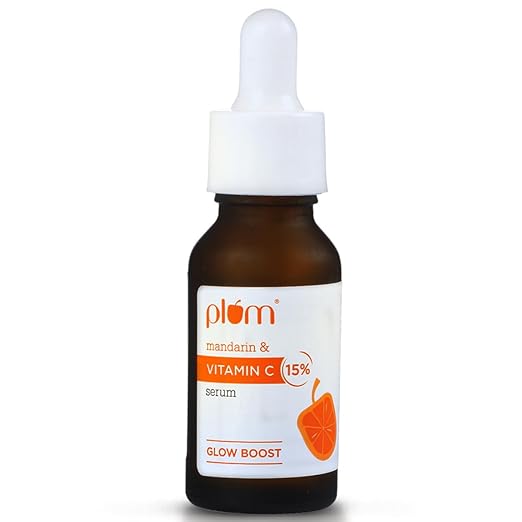
Vitamin C (most commonly as L-Ascorbic Acid or a stable derivative) works at an earlier stage of the pigmentation process — it inhibits the enzyme tyrosinase, which is required for melanin synthesis in the first place. Where niacinamide stops melanin from reaching the surface, Vitamin C reduces how much melanin gets produced.
Separately, Vitamin C is a potent antioxidant that neutralises free radicals generated by UV exposure and pollution. A 2017 review in Nutrients (PMC) established that topical Vitamin C provides meaningful photoprotection against both UVA and UVB damage when applied before sun exposure — not as a replacement for SPF, but as an additional layer of defence.
For Indian skin, Vitamin C's antioxidant and anti-pigmentation properties are particularly relevant given the year-round UV intensity and high pollution index in most major cities.
Niacinamide vs Vitamin C: The Core Differences
| Niacinamide | Vitamin C | |
|---|---|---|
| Primary mechanism | Inhibits melanosome transfer | Inhibits tyrosinase (melanin synthesis) |
| Stage of action | After melanin is produced | Before melanin is produced |
| Oil control | Yes — reduces sebum | No |
| Anti-inflammatory | Yes — calms active breakouts | Mild |
| Antioxidant | Moderate | Strong |
| Barrier repair | Yes — increases ceramide synthesis | No |
| Stability | Highly stable — light and heat resistant | Unstable — oxidises, especially in heat |
| Best time to use | AM and PM | Morning (before SPF) |
| Irritation risk | Very low | Moderate — depends on concentration and form |
| Indian climate suitability | Excellent | Good — use stable derivatives in heat |
The Stability Problem With Vitamin C in India
This is the part that is rarely discussed honestly.
L-Ascorbic Acid — the most potent and most studied form of Vitamin C — is chemically unstable. It oxidises when exposed to heat, light, and air. In temperate climates with controlled storage conditions, a well-formulated Vitamin C serum might remain effective for three to six months after opening.
In India — specifically in cities like Chennai, Mumbai, Hyderabad, or Delhi in summer, where ambient temperatures regularly exceed 35°C and humidity is extreme — that timeline shortens significantly. A serum that smells different, looks more yellow-orange than it did when you opened it, or stings more than it used to has likely oxidised. Oxidised Vitamin C is not only less effective — it can cause irritation.
The practical solutions:
- Store your Vitamin C serum in the refrigerator during summer months
- Choose stable Vitamin C derivatives — Ascorbyl Glucoside, Sodium Ascorbyl Phosphate, or Tetrahexyldecyl Ascorbate — which are less potent than L-Ascorbic Acid but far more stable in Indian conditions
- Use it consistently and quickly rather than letting a bottle sit for months
Niacinamide has none of these problems. It is stable in light, heat, and a wide pH range. For a first active ingredient in Indian weather, it is a more practical starting point.
Can You Use Both Together?
Yes. Not only can you use them together — for pigmentation and uneven tone, the combination is more effective than either alone.
The mechanism makes this intuitive: Vitamin C reduces how much melanin is produced, while niacinamide reduces how much of that melanin reaches the surface. Used consistently together, they address the problem at two different points in the same pathway.
Vitamin C serum → niacinamide serum → moisturiser → SPF 50 PA++++
Niacinamide serum → moisturiser (add retinol on alternate nights if using)
If you find layering two serums in the morning impractical — which is reasonable in Indian humidity where heavy layering can lead to pilling — choose one: use Vitamin C in the morning and niacinamide in the evening. You still get both benefits. The sequencing matters less than the consistency.
Which One Should You Start With?
- Your primary concern is oily skin, acne, or post-acne dark marks
- You are new to actives and want the most forgiving starting point
- You live in a hot, humid city where product stability is a concern
- Budget is a constraint — effective niacinamide serums start at ₹400
- Your primary concern is dullness, sun damage, or general brightening
- You are already comfortable with actives and want antioxidant protection
- You are diligent about refrigerating serums and using them quickly
A Note on Sunscreen
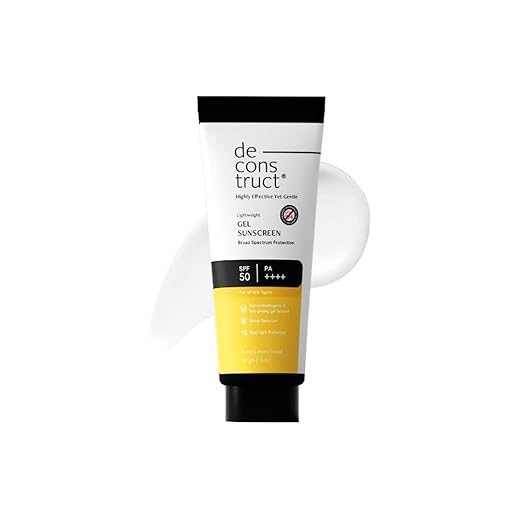
Both niacinamide and Vitamin C are working to fade existing pigmentation and prevent new pigmentation. UV radiation creates new dark spots faster than either ingredient can fade existing ones. Without SPF 50+ every morning — every single morning, indoors or outdoors — you are running in the wrong direction.
Sunscreen is not a step you add once you have sorted out your serums. It is the step that determines whether your serums actually produce visible results.
- Hakozaki T, et al. The effect of niacinamide on reducing cutaneous pigmentation and suppression of melanosome transfer. British Journal of Dermatology. 2002. Oxford Academic
- Boo YC. Mechanistic Basis and Clinical Evidence for the Applications of Nicotinamide (Niacinamide) to Control Skin Aging and Pigmentation. PMC. 2021. PMC
- Pullar JM, et al. The Roles of Vitamin C in Skin Health. Nutrients. 2017;9(8):866. PMC
- Marques C, et al. Mechanistic Insights into the Multiple Functions of Niacinamide. Antioxidants (MDPI). 2024;13(4):425. PMC
- Henry M, MD, FAAD. How to Use Niacinamide and Vitamin C Together. L'Oréal Paris. 2024. L'Oréal Paris
This post contains affiliate links to Amazon India. Purchases made through these links earn Mirha & Co. a small commission at no extra cost to you. Product selection is based on ingredient research, dermatologist guidance, and verified customer reviews. No products are gifted or sponsored.