Oily skin in India is not simply a skin type. It is a skin type operating in conditions that actively make it worse.
Ambient temperatures above 35°C for six to eight months of the year. Humidity that sits above 70% in most coastal and metro cities throughout summer and monsoon. Pollution from vehicular exhaust, construction dust, and industrial particulate matter that mixes with surface sebum to create a film over the skin. Hard water in cities like Delhi, Mumbai, and Bengaluru that strips the skin barrier, triggering compensatory oil production.
The result is that oily skin management strategies designed for temperate climates frequently fail in India. Harsh astringent toners work for a few hours and then make things worse. Mattifying powders last until the first outdoor commute. Clay masks strip oil so aggressively that the skin produces twice as much in response.
Niacinamide works differently. It does not strip oil. It reduces the amount of oil your skin produces. That distinction matters more in Indian conditions than most skincare advice acknowledges.
The Mechanism: Why Niacinamide Controls Sebum
Sebum is produced by sebaceous glands in the skin. In oily skin, these glands are overactive — producing more triglycerides and fatty acids than the skin needs for barrier function. The excess sits on the surface, mixes with sweat and pollution, oxidises, and clogs pores.
Niacinamide reduces sebum production by influencing gene expression in sebocytes — the cells responsible for producing sebum. It also reduces inflammation around the sebaceous glands. This is important because inflammation is one of the triggers for increased sebum production — it is a protective response. By reducing the inflammatory signal, niacinamide interrupts the feedback loop that keeps oily skin persistently oily.
A placebo-controlled clinical study with 100 Japanese subjects confirmed that 2% topical niacinamide applied twice daily produced measurably lower sebum rates after just two and four weeks, compared to a placebo group — 21.8% reduction versus 10.6%. This was at 2%. The same mechanism operates more strongly at 5% and 10%.
A 2024 comprehensive review in Antioxidants (MDPI) described niacinamide's sebostatic action as clinically supported across Asian and Caucasian populations — relevant because most clinical skincare research uses Western subjects, and Indian skin's sebaceous activity patterns are closer to East Asian populations than to European ones.
Why Indian Oily Skin Needs a Different Approach
There are specific reasons why oily skin management in India requires more nuance than simply using a strong cleanser and a mattifying product.
Humidity does not hydrate your skin. This sounds counterintuitive. High humidity makes the skin feel sticky and moist on the surface, but it does not prevent transepidermal water loss from within the skin barrier. Oily skin can be simultaneously shiny on the surface and dehydrated underneath. When the skin is dehydrated, it produces more sebum as a compensatory response. This is one of the core reasons that harsh, stripping products backfire — they increase dehydration, which increases oil production.
Niacinamide addresses this by strengthening the skin barrier, which reduces water loss and breaks the dehydration-oil production cycle. You get less oil not by stripping it, but by giving the skin less reason to produce it.
Pollution accelerates pore clogging in oily skin. Sebum oxidises when it comes into contact with urban pollutants. The oxidised sebum — mixed with dead skin cells and particulate matter — creates a more viscous, sticky material that blocks pores more aggressively than clean sebum would. Niacinamide has antioxidant properties that reduce sebum oxidation, keeping pores clearer between washes.
Stripping products damage the barrier and trigger more oil. Foaming cleansers with sulphates, alcohol-based toners, and frequent clay masking all disrupt the skin barrier. A disrupted barrier triggers sebum overproduction as a protective response. The cycle looks like this: strip oil → barrier disruption → more oil → strip more → worse barrier → even more oil. Niacinamide interrupts this cycle by maintaining barrier integrity while simultaneously reducing sebum production through a separate pathway.
What Concentration to Use for Oily Skin
For sebum control specifically, the clinical evidence supports 2–5% niacinamide as the effective range. Studies demonstrating meaningful sebum reduction consistently use concentrations in this range applied twice daily.
5% is the optimal starting concentration for oily skin. It provides strong sebum regulation and pore refinement without the flushing risk that some people experience at higher concentrations.
10% is not necessary for most people with oily skin. Brands market 10% formulations as more powerful, but research does not show proportionally greater sebum reduction at 10% compared to 5%. For oily skin, where the priority is reliable daily sebum control rather than aggressive pigmentation treatment, 5% is the more appropriate choice.
The exception: if you have significant post-acne pigmentation alongside oily skin — which is extremely common — 10% provides faster results on the dark marks while also controlling oil. In that case, the higher concentration earns its place.
How Long Until Results
This is where realistic expectations matter.
Oil control: Most people with oily skin notice a reduction in midday shine within two to four weeks of twice-daily use. This is the fastest result niacinamide produces — it is also the one that requires the least patience to validate.
Pore appearance: Pore size is genetic. Niacinamide does not shrink pores. What it does is reduce the sebum and debris that keeps pores stretched open, making them appear visibly smaller over time. This takes four to six weeks to show noticeable change.
Post-acne marks: The dark spots left by past breakouts respond to niacinamide's melanosome-transfer inhibition. This takes eight to twelve weeks of consistent daily use. Take a photograph before you start — the improvement is gradual and easy to miss without a reference point.
These timelines assume twice-daily use. Once-daily use extends each timeline by roughly 50%.
The Right Routine for Oily Skin in Indian Climate
The goal is sebum regulation and barrier maintenance — not oil elimination. No routine eliminates oil, nor should it. The aim is to reduce excess production, keep pores clear, and prevent the dehydration that makes oily skin worse.
- Gentle, sulphate-free face wash — removes overnight sebum without stripping
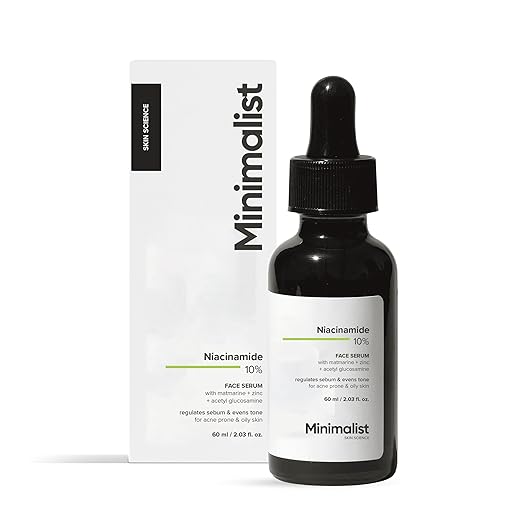
- Niacinamide 5–10% serum — two to three drops, press in, wait sixty seconds
- Lightweight gel moisturiser — oily skin needs hydration; skipping this triggers more oil
- SPF 50 PA++++ — non-negotiable; UV exposure worsens pigmentation and triggers inflammation
- Gentle cleanser — remove sunscreen, pollution, and oxidised sebum
- Niacinamide serum
- Lightweight moisturiser
What to Pair With Niacinamide for Oily Skin
Zinc PCA: The most validated co-ingredient for sebum control alongside niacinamide. Most 10% niacinamide serums in India already include it — Minimalist and The Ordinary's formulations both use zinc PCA at 1%. It works through a slightly different mechanism than niacinamide and adds to the overall sebum reduction without increasing irritation.
Salicylic Acid (2%): BHA exfoliant that penetrates oil to clear pores from the inside. This is not a daily use product for most people — two to three times per week is appropriate, applied after your niacinamide serum. It works particularly well for blackheads and whiteheads, which are sebum-driven.
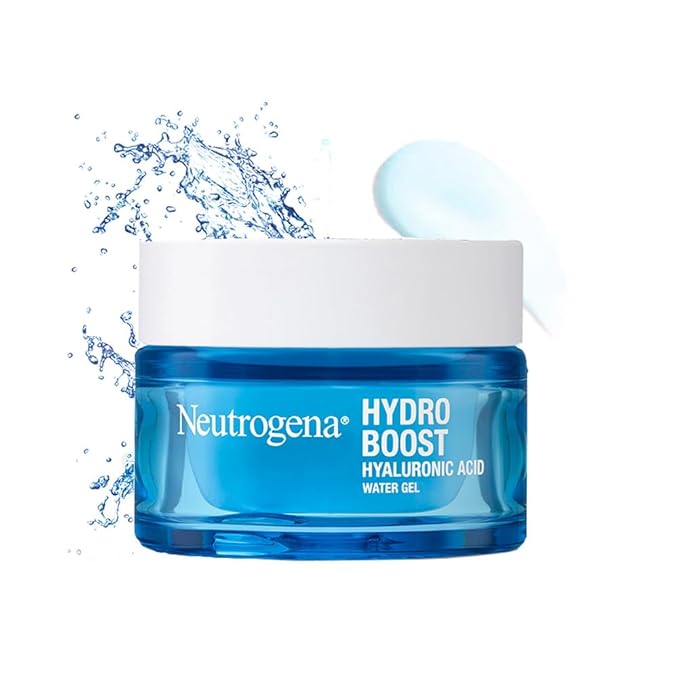
A lightweight gel moisturiser: The most commonly skipped step in oily skin routines. Skipping it is one of the most common reasons oily skin remains persistently oily despite using the right actives. Neutrogena Hydro Boost's water-gel formula absorbs in seconds and provides the hydration that tells your sebaceous glands they do not need to compensate.
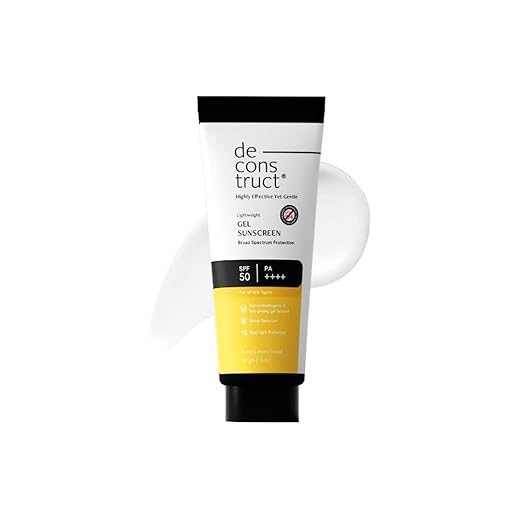
SPF 50 PA++++: UV exposure worsens sebaceous activity and causes the pigmentation that niacinamide is working to fade. A gel-textured SPF — like Deconstruct's gel sunscreen — works in Indian humidity without adding the heaviness or white cast of cream sunscreens.
Common Mistakes That Keep Oily Skin Oily
Over-cleansing. Washing more than twice a day removes surface oil but accelerates barrier disruption and triggers more production. If your face feels oily by midday, the answer is blotting paper — not a third wash.
Skipping moisturiser. The logic of "I am already oily, I do not need more moisture" is the single most counterproductive belief in oily skin management. Dehydrated oily skin produces more oil than hydrated oily skin. A lightweight gel moisturiser prevents the dehydration that drives compensatory sebum production.
Using multiple stripping products simultaneously. If you are using a sulphate face wash, an alcohol toner, a clay mask three times a week, and a mattifying primer, you are disrupting your barrier so severely that no amount of niacinamide will compensate. Pick one active approach and let the skin barrier stabilise.
Expecting results in ten days. Oil control shows meaningful improvement in two to four weeks. Pigmentation takes eight to twelve. Most people abandon products during the purging or adjustment phase — before the product has had time to work. Commit to twelve weeks before evaluating.
Applying niacinamide on top of occlusives. If you use a heavy cream or balm-type moisturiser before your serum, the niacinamide cannot penetrate effectively. Serums go on before moisturisers, always.
The One Thing That Makes Everything Else Work
SPF. Every time.
UV radiation is the primary trigger for new pigmentation and a significant driver of sebaceous inflammation. If you are using niacinamide consistently and not wearing sunscreen every morning, you are slowing your results to a fraction of their potential. The dark spots niacinamide is fading are being created faster than they are being cleared.
In Indian conditions — where UV index is high year-round, not just in summer — SPF 50 PA++++ applied every morning is the non-negotiable step that determines whether your routine is working or not.
- Best Niacinamide Serums in India (2026)Every formulation ranked →
- Niacinamide 5% vs 10% — Which Concentration?Full breakdown →
- Niacinamide vs Vitamin C — Which One for Indian Skin?How to choose →
- 4-Step Indian Skincare Routine Under ₹2000Complete routine →
- Best Sunscreens in India (2026)The companion step →
- Smiels K, et al. The effect of 2% niacinamide on facial sebum production. Journal of Dermatological Treatment. 2006. ResearchGate
- Marques C, et al. Mechanistic Insights into the Multiple Functions of Niacinamide: Therapeutic Implications and Cosmeceutical Applications. Antioxidants (MDPI). 2024;13(4):425. PMC
- Boo YC. Mechanistic Basis and Clinical Evidence for the Applications of Nicotinamide (Niacinamide) to Control Skin Aging and Pigmentation. PMC. 2021. PMC
- Ong RR, et al. Niacinamide: a review on dermal delivery strategies and clinical evidence. Drug Delivery and Translational Research. 2024;14(12):3512–3548. PubMed
This post contains affiliate links to Amazon India. Purchases made through these links earn Mirha & Co. a small commission at no extra cost to you. Product selection is based on ingredient research, dermatologist guidance, and verified customer reviews. No products are gifted or sponsored.