What the Skin Barrier Actually Is
The stratum corneum — the outermost layer of skin — functions like a brick wall. Skin cells are the bricks. Lipids (ceramides, cholesterol, fatty acids) are the mortar. When the mortar is intact, moisture stays in and irritants stay out. When it is compromised, both directions reverse simultaneously: water escapes and bacteria, allergens, and pollution enter.
The clinical term for moisture escaping is transepidermal water loss (TEWL). It is measurable, and elevated TEWL is the objective marker of a damaged barrier. The subjective experience: skin that feels both dry and oily, burns on contact with products, breaks out unpredictably, and looks dull regardless of hydration.
In India specifically, hard water, pollution, and the whiplash between outdoor heat and indoor air conditioning create constant barrier stress even without an active routine. Add over-exfoliation, too many actives, or a harsh cleanser to that baseline stress, and barrier damage happens faster than most people realise.
How to Know If Your Barrier Is Damaged
Not every bad skin day is barrier damage. These are the specific signals that indicate the barrier — not just the skin condition — is compromised:
Stinging from products that never stung before
Compromised barrier allows ingredients to penetrate deeper and trigger nerve endings.
Skin feels simultaneously tight and oily
Dehydration underneath, compensatory sebum on top. The barrier is not regulating either direction.
Sudden breakouts that do not respond to your usual acne routine
Bacteria and irritants are entering through barrier gaps. This is not the same as hormonal or comedogenic acne.
Products pilling or sitting on top of skin instead of absorbing
Damaged skin cannot absorb product normally — the surface texture changes.
General redness or flushing that was not there before
Inflammatory response to the irritants now freely entering the skin.
Strip Everything Down
Stop all actives. No salicylic acid. No retinol. No AHAs. No vitamin C. No niacinamide serum. No exfoliation of any kind. The barrier cannot repair itself while it is still being stressed. The protocol for week one is deliberately boring.
Morning and night: gentle cleanser → moisturiser → SPF (morning only). That is the complete routine. Nothing else.
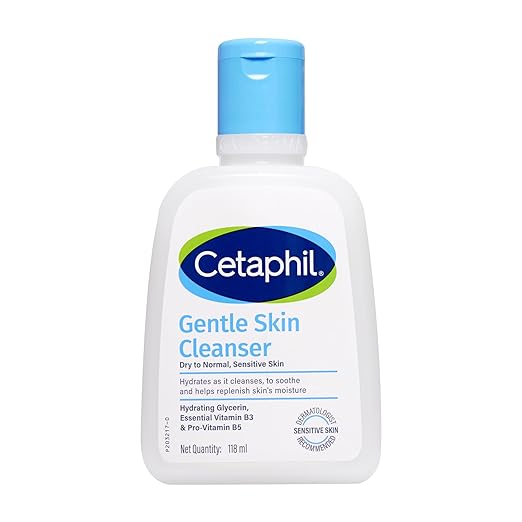
Cleanser — Gentle, sulphate-free, fragrance-free
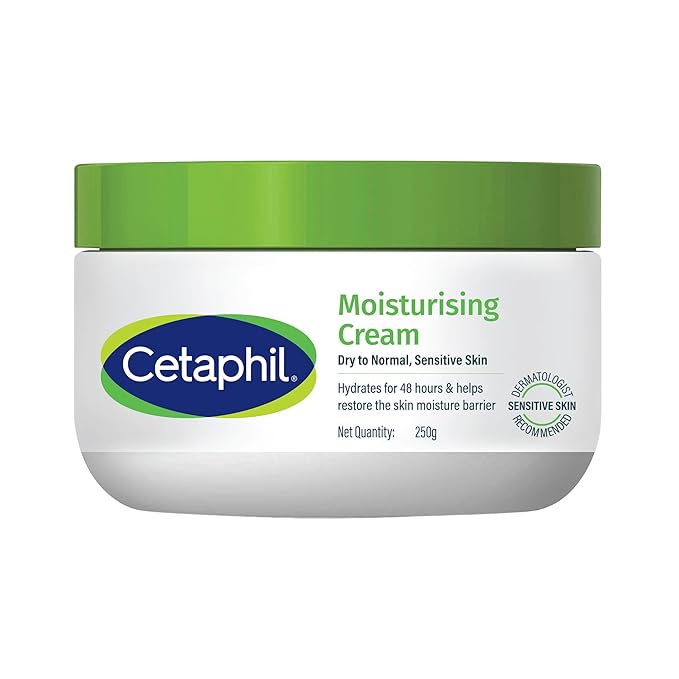
Moisturiser — Ceramide-rich, fragrance-free
Add Hydration Back
If week one brought noticeable improvement — less stinging, less tightness — add a hydrating toner or essence to your routine. No acids. No actives. Just humectants: hyaluronic acid, glycerin, panthenol.
Apply the hydrating layer on damp skin immediately after cleansing. The classic advice: within 60 seconds of patting dry. Humectants draw moisture from the environment — on damp skin, there is existing water to work with. On dry skin in a dry room, they can draw from deeper layers and worsen dehydration.
Hydration serum — apply to damp skin before moisturiser
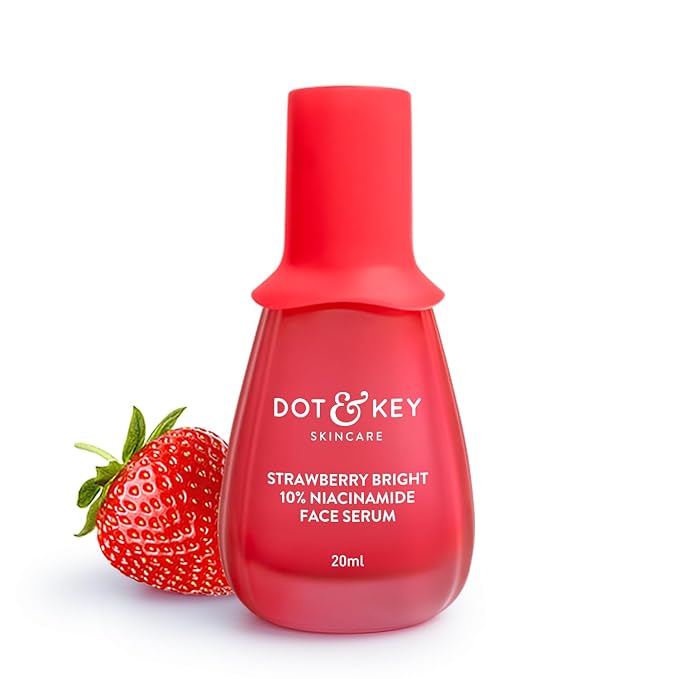
Reintroduce Niacinamide
Niacinamide is the gentlest active you can reintroduce during repair. At 10%, it has documented evidence for improving skin barrier function through increased ceramide synthesis — it actively assists the repair process rather than simply not hindering it. A 2024 randomised controlled trial confirmed significant improvement in skin hydration and barrier integrity in niacinamide-treated groups versus controls.
Add it after your hydrating toner, before your moisturiser. One active. Nothing else added this week.
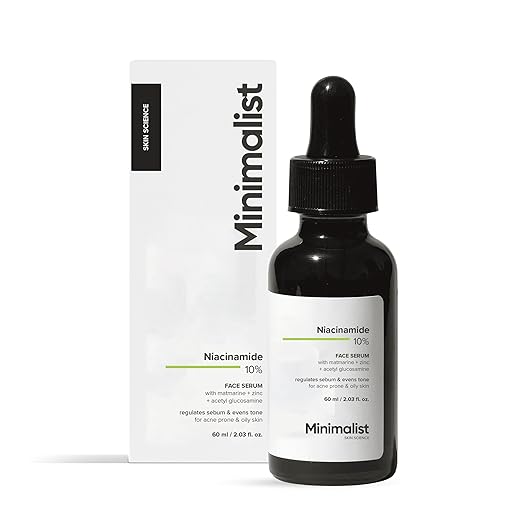
Reintroduce Actives — Slowly
If your skin is no longer stinging, no longer tight, and the unexpected breakouts have calmed — the barrier has recovered enough to tolerate actives again. Reintroduce one at a time, in this order, with at least two weeks between additions.
Vitamin C serum — antioxidant, low irritation risk at stable concentrations
Salicylic acid 1–2% — two to three times per week, not daily initially
Retinol — 0.025% or 0.1% to start, alternating nights, never with other actives
Do not rush this. The barrier took time to damage. Rushing the reintroduction restarts the cycle.
Frequently Asked Questions
How long does barrier repair actually take?
Skin cells turn over every 28 days. Mild barrier damage resolves in two to four weeks with the right protocol. Severe damage — from months of over-exfoliation or prescription-strength actives — can take eight to twelve weeks. If you see no improvement after four weeks of the stripped-down routine, see a dermatologist. You may have rosacea, perioral dermatitis, or contact dermatitis rather than general barrier damage.
Can I wear makeup during barrier repair?
Yes. Use a gentle oil-based makeup remover to cleanse (it removes makeup without the stripping action of foam cleansers), and avoid heavy foundations that require aggressive removal. Tinted moisturiser or light BB products are fine.
Is niacinamide good for barrier repair or does it stress the skin?
Niacinamide actively supports barrier repair through increased ceramide synthesis. It is one of the few actives appropriate to use during the repair phase rather than after it. Start with it in week three of the protocol — not week one.
My skin is both oily and dry during barrier repair. What moisturiser should I use?
This is classic barrier damage presenting as dehydrated-oily skin. Use a lightweight gel-cream — not a rich cream that sits on top — and layer it over a hydrating toner. The Neutrogena Hydro Boost or Cetaphil Moisturising Cream work for different ends of this spectrum depending on your climate.
Further Reading
Affiliate links disclosed. Mirha & Co. participates in the Amazon Associates Program. We earn a small commission on qualifying purchases at no additional cost to you. This post is for informational purposes. Persistent barrier damage or skin conditions should be assessed by a dermatologist.