SKINCARE
Air Conditioning Skin Syndrome: Why Indoor AC Silently Wrecks Your Moisture Barrier (And How to Fix It)
Spending 8+ hours a day in air-conditioned environments strips indoor humidity down to 20%, triggering severe Trans-Epidermal Water Loss (TEWL) and barrier disruption. Here is the climate science behind AC skin syndrome and the humectant-layering routine that restores your natural glow.
Introduction: The Hidden Climate Crisis on Your Desk
If you step out of a hot 32°C commute into a crisp, 20°C air-conditioned office, your skin immediately registers a biological shock. While air conditioning provides essential relief from heat and humidity, artificial cooling systems function by pulling moisture out of ambient air. In typical office environments, relative indoor humidity plummets from 65% down to a desert-dry 15% to 20%.
This extreme moisture differential creates an aggressive osmotic gradient between the air and your skin. Water is literally pulled out of your stratum corneum into the dry surrounding air, leading to a condition dermatologists call Air Conditioning Skin Syndrome.
Understanding TEWL: The Biology of AC-Induced Barrier Exhaustion
Trans-Epidermal Water Loss (TEWL) is the rate at which water evaporates from the internal layers of skin through the epidermis. Under normal humidity conditions, your lipid barrier—composed of ceramides, cholesterol, and free fatty acids—traps moisture in intercellular spaces.
However, prolonged exposure to refrigerated dry air causes intercellular lipids to stiffen and shrink. Micro-fissures open up between skin cells, accelerating TEWL. By mid-afternoon, skin feels tight, makeup looks cakey, and fine lines appear exaggerated. For oily skin types, this dehydration triggers a rebound mechanism where sebaceous glands overproduce sebum to compensate, resulting in 4 PM forehead shine over parched skin.
Why Heavy Oils and Thick Butter Creams Often Fail in Dry AC Air
When faced with tight AC skin, the instinct is often to slather on heavy facial oils or dense shea butter creams. However, pure occlusives contain no moisture of their own—they merely form a seal over the surface. If applied over already dehydrated skin in a 15% humidity environment, heavy oils trap dryness beneath a greasy film, often clogging pores without repairing the water deficit.
The solution lies in strategic humectant sandwiching: binding water into the epidermis first using multi-weight Hyaluronic Acid, Glycerin, and Polyglutamic Acid, before sealing it with a breathable lipid-identical ceramide complex.
The 4-Step AC Recovery Routine for Office Workers
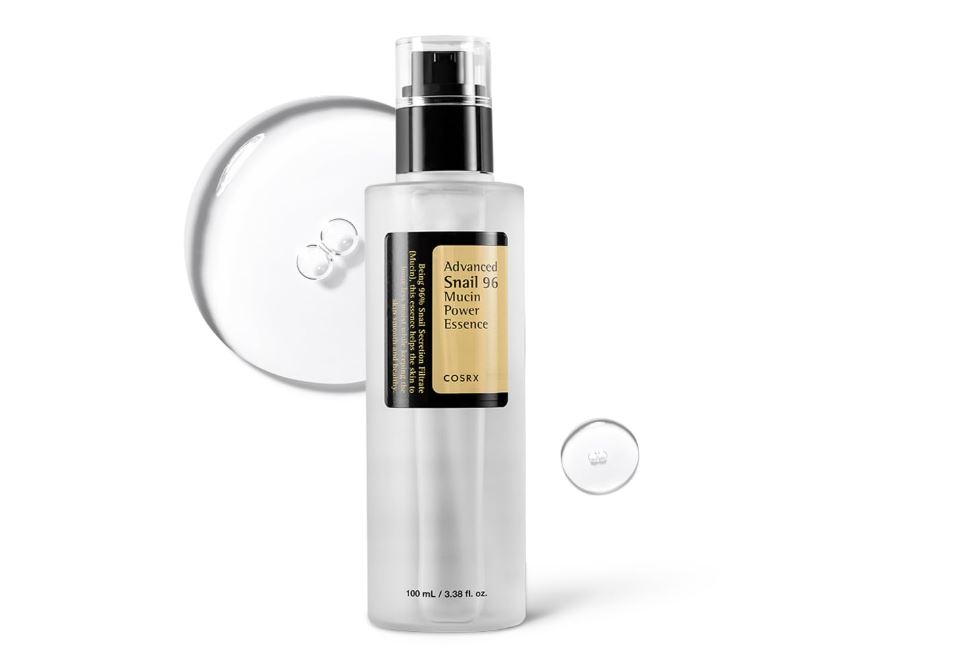
Step 1: Hydrate on Damp Skin — Apply a soothing essence containing Snail Mucin or Niacinamide onto slightly damp skin immediately after cleansing in the morning.
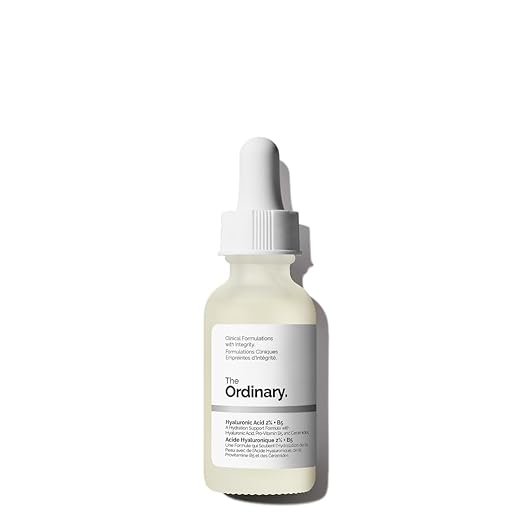
Step 2: Layer Multi-Depth Humectants — Use a hydrating serum that combines low and high molecular weight humectants to hydrate both surface and deeper epidermal layers.
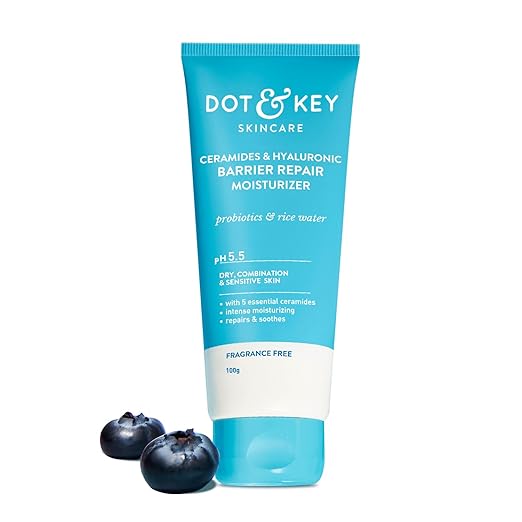
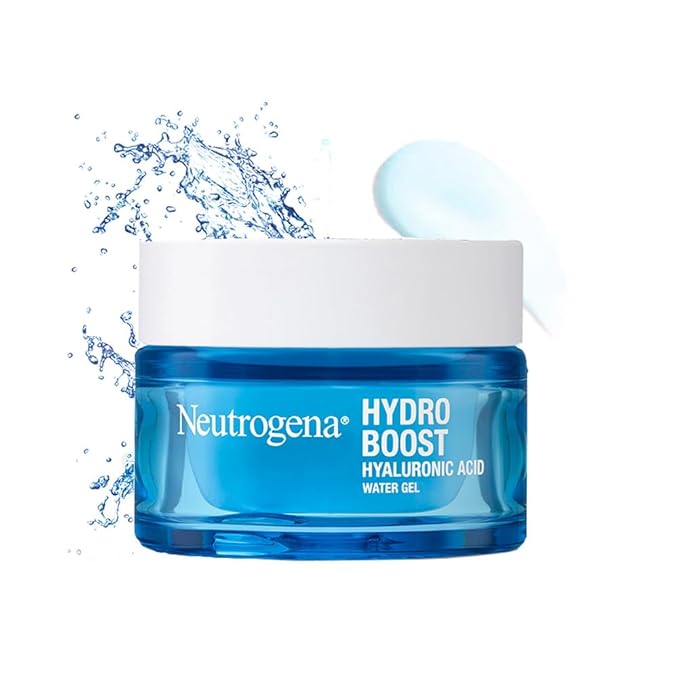
Step 3: Seal with Ceramide Moisture Locks — Look for light emulsion gels or ceramide moisturizers that reinforce the natural lipid matrix without heavy comedogenic waxes.
Step 4: Mid-Day Desk Mist & Humidifier — Keep a thermal mist or desk-side mist spray (without drying alcohol) alongside a small personal desk humidifier to maintain a local micro-climate.
Conclusion: Adapting Your Routine to Your Micro-Climate
Skincare isn't static—it must adapt to your daily environment. Whether you spend 10 hours under corporate air conditioning or transition frequently between outdoor humidity and indoor cooling, matching your routine to your real-time climate telemetry is essential. Use the Mirha & Co. Portal to run a daily climate-aware skin audit and personalize your barrier defense.
Editorial Note
Mirha & Co. reviews skincare using ingredient analysis, formulation pH compatibility, and regional tap water hardness data. Simple guides for educational purposes—always patch test new products on your skin.
Further Reading
AC Face: Why 8 Hours in Central Air Conditioning Secretly Mummifies Your Skin (And Why Hyaluronic Acid Makes It Worse)
SKINCARE · 7 minThe Cortisol-Skin Connection: How Burnout Literally Thins Your Skin Barrier
WELLNESS · 7 minHow to Repair a Damaged Skin Barrier — The 4-Week Protocol for Indian Skin
SKINCARE · 10 min