WELLNESS
The Cortisol-Skin Connection: How Burnout Literally Thins Your Skin Barrier
Are you working 12-hour days, living on caffeine, and wondering why your skin is suddenly breaking out and stinging? Let's look at the endocrinology of burnout: how cortisol breaks down collagen, thins your skin barrier, and how to fix it.
How this guide was written
Mirha & Co. reviews product fit by looking at ingredient context, formulation quality, regional climate, price, and real-world review signals. This is beauty guidance, not medical advice.
The Stress Hormone: What Cortisol Does to Skin Cells
Skincare is often sold as a topical game. If you have acne, apply salicylic acid; if you have dryness, apply hyaluronic acid. But your skin is an endocrine organ, directly wired to your central nervous system. When you are chronically stressed—working 12-hour days, shipping code, or pitching to investors—your adrenal glands pump out cortisol. And cortisol is a catabolic hormone.
In plain terms: catabolic means it breaks tissue down. Here is how cortisol acts on your skin cells under chronic stress:
1. Collagen Degradation: Cortisol directly inhibits fibroblast activity—the cells responsible for producing collagen and elastin. Without active fibroblasts, your skin's structural support matrix weakens, leading to premature fine lines, laxity, and that sunken, tired look commonly called 'founder face.'
2. Lipid Suppression: Cortisol shuts down the synthesis of essential lipids—specifically ceramides, cholesterol, and free fatty acids. These lipids are the 'mortar' holding your skin cell 'bricks' together. When they are depleted, your skin barrier becomes thin, leaky, and highly reactive.
3. Glycation and Dullness: Stress-induced adrenaline surges release glucose into your bloodstream, binding to proteins to form Advanced Glycation End-products (AGEs). This stiffens collagen fibers, turning skin dull, yellow-toned, and unable to reflect light.
Why Your Products Suddenly Sting (The Leaky Barrier)
Have you noticed that a moisturizer or serum that used to feel perfectly fine suddenly makes your face sting or turn red? That is the classic sign of a stress-compromised barrier. When cortisol suppresses lipid synthesis, your skin loses its ability to prevent trans-epidermal water loss (TEWL) and shield itself from the environment.
Microscopic cracks open up in the stratum corneum. Standard cosmetic ingredients, fragrance molecules, and environmental pollution penetrate deep into the lower epidermal layers, triggering an inflammatory immune response. This leads to itching, diffuse redness, and sudden breakouts that are inflammatory (red, sore bumps) rather than congestive (blackheads).
Continuing to apply high-strength active serums (like 10% AHA or pure Vitamin C) during this phase is a recipe for disaster. Your skin doesn't need correction; it needs restoration.
The Circum-Sleep and Skin Protocol: Rebuilding from the Inside Out
To resolve stress-induced skin flares, you must treat the system, not just the symptom. You need to lower cortisol, repair the lipid matrix, and support the nocturnal sleep window where skin repair peaks.
1. The Active Freeze: Stop all chemical exfoliants, retinoids, and strong vitamin C serums for 2 weeks. Switch to a simple, soap-free cleanser and a heavy-duty ceramide moisturizer.
2. Circum-Sleep Optimization: Your skin barrier repair processes (cell division, collagen synthesis) peak between 11 PM and 2 AM. If you are scrolling on a laptop or phone during this window, the blue light suppresses melatonin, blunting this natural repair cycle. Shut down screens 20 minutes before bed and use magnesium or warm lighting to signal melatonin production.
3. Topical Soothing: Incorporate Centella Asiatica (Cica) and ceramides to physically rebuild the skin's lipid barrier while reducing local inflammation.
The Burnout Recovery Stack
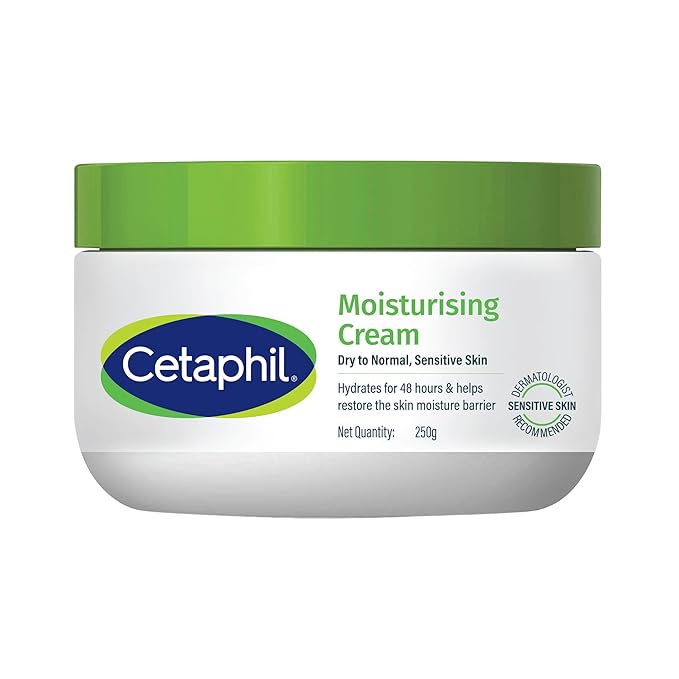
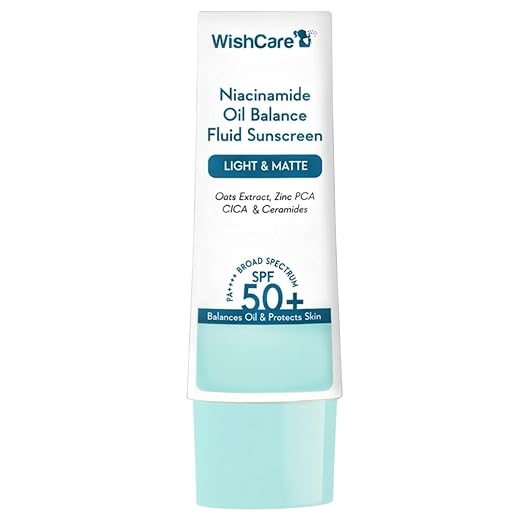
For a compromised, stressed skin barrier, start with a rich, protective shield like Cetaphil Moisturising Cream morning and night. Formulated with key emollients, it locks in moisture and forms a physical barrier against TEWL. During the day, protect your skin without triggering inflammatory flares using WishCare Ceramide Fluid Sunscreen. Enriched with Cica, ceramides, and hyaluronic acid, it calms active redness and repairs the barrier while shielding against UV-induced cortisol spikes.
Further Reading
Air Conditioning Skin Syndrome: Why Indoor AC Silently Wrecks Your Moisture Barrier (And How to Fix It)
SKINCARE · 7 minThe Smoker's Skincare Audit: How to Counteract Smoke-Induced Dullness and Barrier Damage
WELLNESS · 8 minTech Neck: The Biomechanics of Screen Slouch and How It Alters Your Jawline
WELLNESS · 8 min