WELLNESS
The Smoker's Skincare Audit: How to Counteract Smoke-Induced Dullness and Barrier Damage
Let's look at the science of smoke: whether it's nicotine or cannabis, inhaling smoke triggers vasoconstriction, dehydration, and oxidative stress. Here is the non-judgmental, clinical guide to saving your skin barrier.
How this guide was written
Mirha & Co. reviews product fit by looking at ingredient context, formulation quality, regional climate, price, and real-world review signals. This is beauty guidance, not medical advice.
The Physiology of Smoke: Free Radicals and Vasoconstriction
Skincare is typically marketed as an external corrective: if your skin looks grey, use a scrub; if it feels dry, apply a cream. But your skin is a direct reflection of your internal microvasculature. When you inhale smoke—regardless of whether it comes from a cigarette, a vape, or a cannabis joint—you initiate a cascade of internal vascular and cellular events that directly degrade your skin health.
For tobacco smokers, the primary culprit is nicotine. Nicotine is a potent vasoconstrictor: it binds to receptors on blood vessels, causing them to constrict. Within minutes of taking a puff, the capillary blood flow in your face drops by up to 30-40%. This restricts the delivery of vital oxygen, amino acids, and nutrients to the outer layers of the epidermis, leading to a dull, grayish pallor (commonly referred to as 'smoker's grayness') and slower wound healing.
For cannabis/ganja smokers, the narrative is slightly different but yields a similar cutaneous outcome. While cannabinoids themselves (like THC and CBD) have anti-inflammatory profiles and interact with CB1/CB2 receptors in the skin to regulate sebum, the inhalation of combustion products is identical to tobacco. Burning any plant matter releases carbon monoxide, tar, and particulate hydrocarbons. Carbon monoxide binds to hemoglobin with an affinity 200 times greater than oxygen, effectively displacing oxygen in your blood. Your skin cells are starved of oxygen, resulting in cellular asphyxiation, lipid oxidation, and rapid dehydration.
Soot Contact and Clogged Pores (The Physical Layer)
Beyond the internal vascular constriction, smoking introduces a physical layer of irritation. Exhaled smoke does not just disappear into the air; it billows back onto your face, depositing a microscopically thin film of tar, ash, and particulate soot (carbon particles).
In humid urban environments (like Mumbai or Bangkok), this soot film mixes with your skin's natural sebum, creating a sticky, comedogenic paste that blocks the follicular openings. This triggers micro-comedones (blackheads and closed comedones) and can turn mild acne into inflamed, red pustules. It also creates a barrier block that prevents your evening serums from absorbing effectively.
Furthermore, the heat from holding a lit cigarette or joint close to the face causes localized thermal stress, drawing water out of the skin barrier and accelerating trans-epidermal water loss (TEWL) in the delicate perioral area (around the mouth), leading to premature vertical creasing.
The Smoker's Skincare Protocol (Harm-Reduction Stack)
If you smoke, moralizing lectures about quitting are not helpful skincare advice. What you need is a practical, dermatological harm-reduction protocol designed to counter capillary constriction, neutralize free radicals, and clear physical soot buildup without stripping your skin.
1. Cleanse the Film (Soap-Free): You must wash away the physical soot and tar film every evening. But because smoke has already dehydrated your skin barrier, using a harsh, stripping foaming wash will cause further barrier cracks. Switch to a gentle, soap-free, non-foaming micellar wash or oil-to-milk cleanser that lifts particulates without stripping barrier lipids.
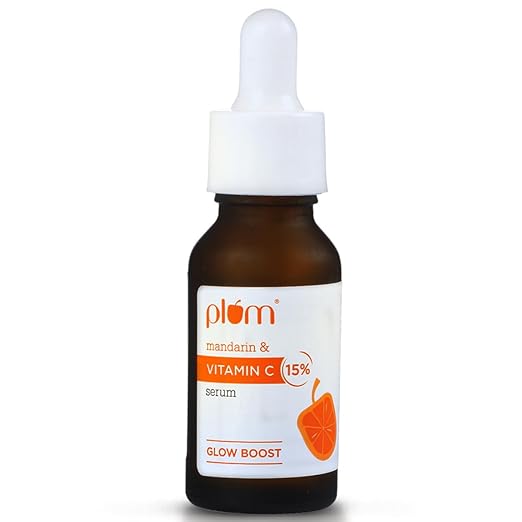
2. Neutralize the Radicals (Antioxidant Overdose): Combustion generates billions of free radicals—unstable oxygen molecules that chew through your skin's collagen. You must shield your skin with high-potency antioxidants. Apply a 15% Vitamin C (Ethyl Ascorbic Acid) serum in the morning to act as a free radical scavenger, and use Niacinamide in the evening to support the barrier lipids.
3. Stimulate the Microcirculation: To counter the vasoconstrictive effects of smoking, incorporate active ingredients that dilate or stimulate micro-vessels. Caffeine is a brilliant topical active that improves micro-vascular circulation. Combine it with gentle facial massages (using your knuckles or a cool jade roller) to manually stimulate blood flow, bringing fresh oxygen and nutrients back to the epidermal cells.
The Protection & Repair Stack
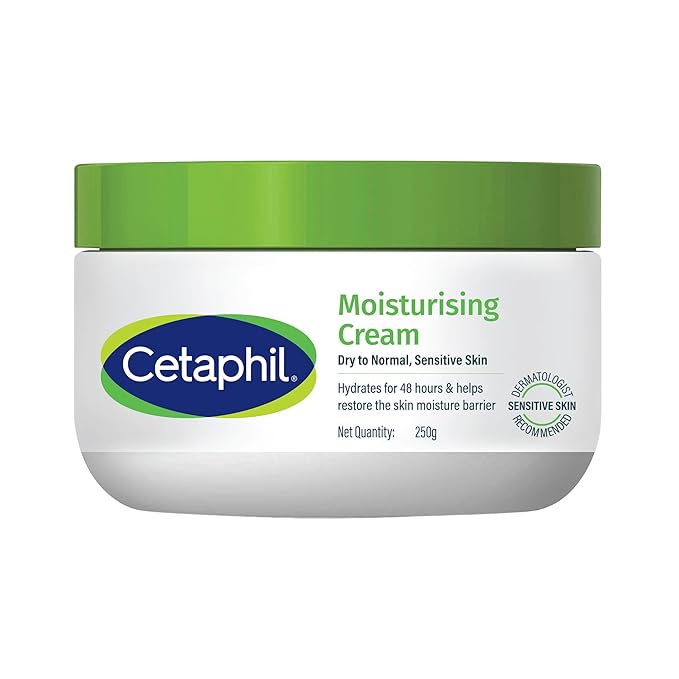
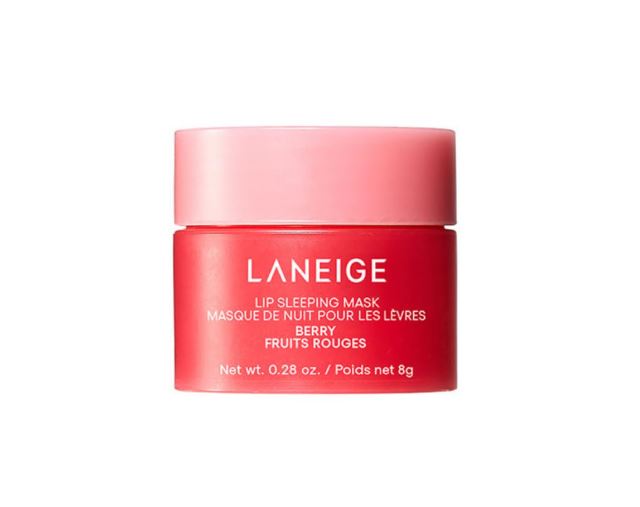
To execute this protocol, start your morning by applying Plum 15% Vitamin C Serum to clean skin. It uses stable Ethyl Ascorbic Acid to neutralize smoke-induced free radicals, protect collagen, and restore brightness to dull, oxygen-starved skin. In the evening, seal and repair your compromised lipid barrier with Cetaphil Moisturising Cream. Formulated with rich, non-comedogenic emollients, it repairs the skin's moisture barrier and prevents the trans-epidermal water loss caused by smoke heat and dry environments. Finally, address dehydrated, darkened, and dry smoker's lips by applying a generous layer of Laneige Lip Sleeping Mask before bed. Formulated with antioxidant Vitamin C and shea butter, it provides deep overnight lip repair and lasting hydration.
Further Reading
The Cortisol-Skin Connection: How Burnout Literally Thins Your Skin Barrier
WELLNESS · 7 minAir Conditioning Skin Syndrome: Why Indoor AC Silently Wrecks Your Moisture Barrier (And How to Fix It)
SKINCARE · 7 minTech Neck: The Biomechanics of Screen Slouch and How It Alters Your Jawline
WELLNESS · 8 min