A ₹2,500 Vitamin C serum applied after a heavy night cream. A ₹1,800 hyaluronic acid serum used on dry skin without anything to seal it in. A ₹1,200 retinol used every night by someone who just started actives and is wondering why their skin is peeling.
None of these are product failures. They are application failures. And they are costing people significantly more than the products themselves — in wasted product, in skin damage that requires correction, and in the cost of replacement products bought because "that serum didn't work."
Mistake 01
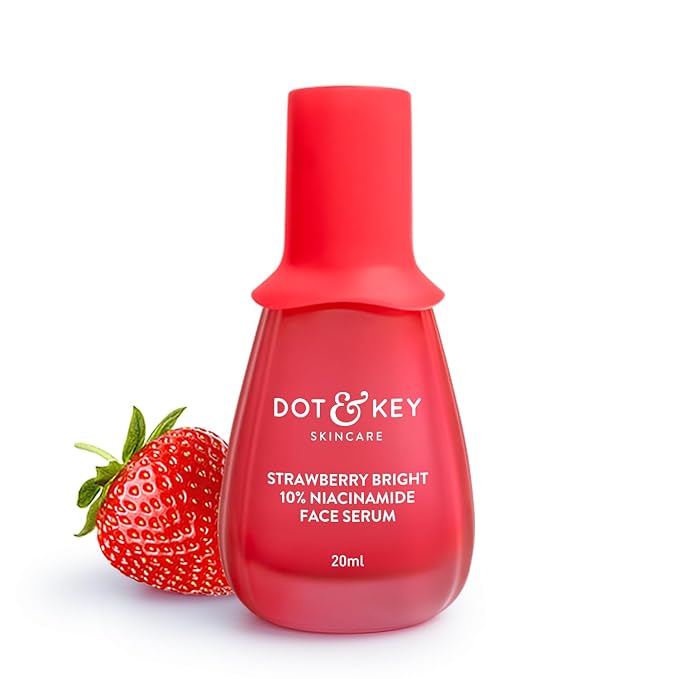
Applying Hyaluronic Acid on Dry Skin
Hyaluronic acid is a humectant — it draws moisture from the environment into the skin. In humid Indian climates like Mumbai and Chennai, this works as intended. In dry air — Delhi winters, heavily air-conditioned offices, flights — HA on dry skin draws moisture from the deeper skin layers instead of the environment, and deposits it on the surface where it evaporates. Your skin ends up drier than before.
The fix: Apply hyaluronic acid serum on slightly damp skin — within 30 seconds of washing your face — and immediately seal it with a moisturiser. The moisturiser traps the moisture that HA has drawn in. Without this step, the benefit is significantly reduced.
Mistake 02
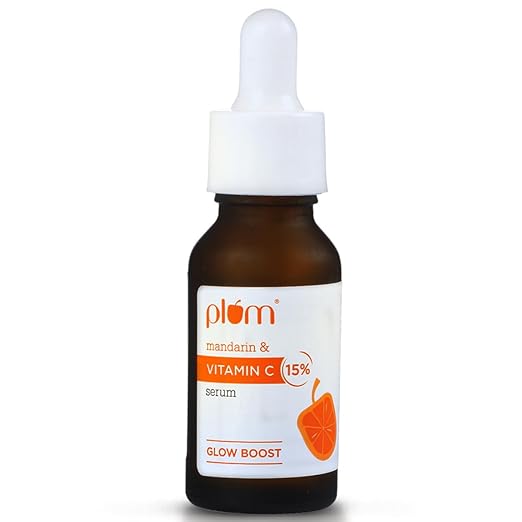
Storing Vitamin C on the Bathroom Shelf
L-Ascorbic Acid — the most potent form of Vitamin C — oxidises on contact with light, heat, and air. In India's climate, a Vitamin C serum stored in a bathroom that reaches 35°C can become significantly degraded within four to six weeks of opening. When it turns orange or yellow and starts stinging more than usual, it has oxidised. You are applying a degraded product that provides less of the benefit and more of the irritation.
The fix: Refrigerate your Vitamin C serum. Use it consistently and quickly — do not let a bottle sit for four months. Or choose a stable derivative: Ascorbyl Glucoside, Sodium Ascorbyl Phosphate, or Tetrahexyldecyl Ascorbate are significantly more heat-stable, though slightly less potent.
Mistake 03
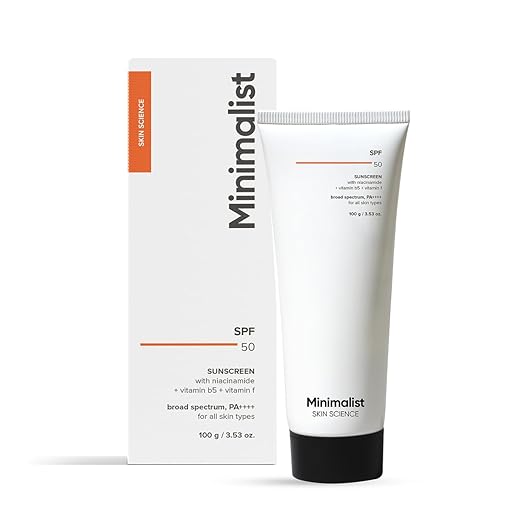
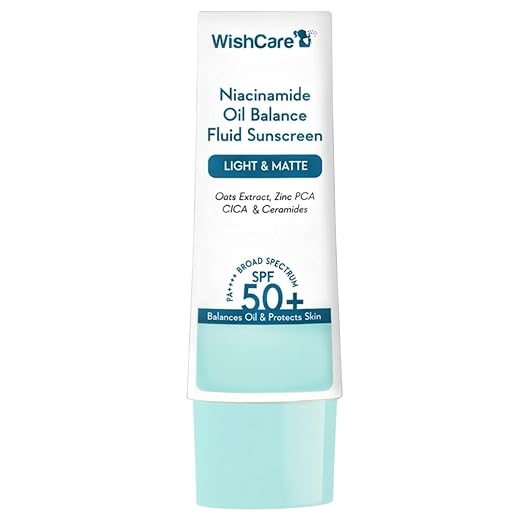
Skipping SPF and Wondering Why Pigmentation is Not Fading
Niacinamide fades dark spots in eight to twelve weeks. Vitamin C fades them in six to ten weeks. UV radiation creates new ones in minutes. If you are treating pigmentation without wearing sunscreen every morning, you are in a losing race.
India's UV index peaks at 11 in summer — classified as Extreme. Even in winter, the UV index in southern and coastal cities rarely drops below 6. UVA — the wavelength that causes pigmentation — penetrates glass. If you work near a window, you are receiving active UVA exposure indoors without sunscreen.
Mistake 04
Using Too Many Products at Once
A 10-step routine means that when something works, you do not know what it was. When something causes a reaction, you do not know what caused it. You cannot optimise something you cannot isolate.
In Indian humidity, layering six to eight products also means most of them are sitting on top of each other rather than being absorbed. The skin has a finite capacity for product uptake in a given application window.
The fix: Four products. Cleanser, one active serum, moisturiser, SPF. Run this for eight weeks before adding anything else. You will know exactly what is working and have a stable baseline to build from.
Mistake 05
Switching Products Before Giving Them Time to Work
The clinical timelines for active skincare ingredients are measured in weeks and months, not days. Niacinamide for pigmentation: eight to twelve weeks. Retinol for texture: twelve to sixteen weeks. Vitamin C for brightening: six to ten weeks. These are not marketing estimates — they are the timelines used in the clinical trials that established the ingredients as effective.
Switching serums at the three-week mark because "nothing is happening" is the most expensive skincare habit in India. You pay for a product, abandon it before it works, pay for a replacement, and repeat. The original product was almost certainly fine.
Frequently Asked Questions
How do I know if my skincare routine is actually working?
Take a photo in natural light before you start and again at eight weeks. Skin changes are gradual — the difference day to day is invisible but the eight-week comparison is often significant. If there is no change after twelve weeks of consistent use, the product may genuinely not be right for your skin.
Is Indian tap water really bad for skin?
In most major Indian cities, yes. Delhi, Mumbai, Bengaluru, and Hyderabad all have high TDS (total dissolved solids) water. The mineral residue disrupts skin pH and blocks product absorption. A sulphate-free cleanser and a toner significantly mitigate the impact.
What is the minimum effective routine for Indian skin?
Cleanser, niacinamide serum, lightweight moisturiser, SPF 50+. Four products. This addresses oiliness, pigmentation, hydration, and sun damage — the four primary Indian skin concerns — without overcomplicating layering or spending beyond what is necessary.
Can I use hyaluronic acid in summer?
Yes — Indian summer humidity actually makes HA more effective, as there is abundant environmental moisture for it to draw from. Apply on damp skin and follow with a gel moisturiser. Skip heavy creams — a gel or water-gel moisturiser is sufficient in 75%+ humidity.
Further Reading
Affiliate links disclosed. Mirha & Co. participates in the Amazon Associates Program. We earn a small commission on qualifying purchases at no additional cost to you.