BEAUTY · SKINCARE
What Niacinamide Actually Does to Your Skin — India Edition
Walk into any pharmacy in India right now — Nykaa, Amazon, even your local medical store — and you'll see niacinamide on every second product. Serums, moisturisers, face washes, sunscreens. The word is everywhere.
If you have oily skin, open pores, pigmentation from old acne marks, or that dull uneven tone that Indian skin gets after years of humidity, pollution, and unforgiving summers — chances are someone has already told you: "Try niacinamide."
But what does it actually do? Is it worth the hype? Which percentage should you use? And which products in India are genuinely good versus which ones are just riding the trend? This is the complete, no-fluff guide — written specifically for Indian skin concerns, Indian weather, and Indian budgets.
What Is Niacinamide?
Niacinamide is Vitamin B3. That's it. It's a water-soluble vitamin that your skin can absorb and use directly when applied topically. It's been studied extensively — far more than most trendy skincare ingredients. Dermatologists have been recommending it for decades.
The reason it's suddenly everywhere is simple: brands finally realised Indian consumers were researching ingredients, and niacinamide has the receipts. The clinical evidence is solid, it's stable in formulas, and it's affordable to manufacture — which means budget products can use effective concentrations.
What Niacinamide Actually Does — Benefit by Benefit
Oil Control — The Big One for Indian Skin
If you live in Mumbai, Chennai, Delhi, or anywhere with humidity above 60% for half the year, you know the struggle. Oily skin in India isn't just a skin type — it's a climate problem. Your sebaceous glands work overtime when it's hot and humid, and the result is shine, clogged pores, and breakouts by noon.
Niacinamide reduces sebum production at 2–5% concentration. This is one of the best-documented benefits and the reason dermatologists specifically recommend it for oily and combination skin in tropical climates.
Pore Appearance — Not Shrinking, But Visibly Smaller
You cannot physically shrink your pores — pore size is genetic. What niacinamide does is reduce the sebum and debris that stretches pores open, making them appear visibly smaller. The difference on camera and in the mirror is real — the mechanism is just different from what brands imply.
Pigmentation and Dark Spots — Especially Post-Acne Marks
Post-inflammatory hyperpigmentation — the dark marks left behind after pimples — is significantly more pronounced in Indian and South Asian skin due to higher melanin levels. These marks can take months to fade without intervention.
Niacinamide inhibits the transfer of melanin to your skin cells. Regular use of 5–10% niacinamide has been clinically shown to reduce hyperpigmentation and fade dark spots over 8–12 weeks. It's slower than chemical exfoliants but much gentler — suitable for sensitive skin that can't tolerate AHAs or retinol.
Skin Barrier Repair
Your skin barrier is the protective outer layer that keeps moisture in and irritants out. Over-exfoliation, harsh soaps, pollution, and the Indian summer all damage it. Niacinamide increases ceramide synthesis — the lipids that hold your skin barrier together. This is why it's one of the few active ingredients that can be used even when your skin is sensitised.
Anti-Inflammatory Effects
Inflammatory acne — the red, painful kind — responds well to niacinamide. It reduces redness and calms the immune response that makes breakouts worse. As a daily maintenance ingredient, it keeps low-grade inflammation in check.
How to Use Niacinamide
- When: Morning and/or night — stable in both
- Order: After cleansing, before moisturiser
- How much: 2–4 drops, press gently, don't rub
- With SPF: Always use SPF in the morning — niacinamide fades pigmentation but UV creates new marks faster
Can you use niacinamide with Vitamin C? Yes. The old advice against this is outdated. You can layer them or use one in the morning and one at night.
5% vs 10% — Which One Do You Need?
| Concentration | Best For | Skin Type | Notes |
|---|---|---|---|
| 5% | Beginners, maintenance, barrier repair | All types including sensitive | Start here. Lower irritation risk. |
| 10% | Oily skin, open pores, active pigmentation | Oily, combination, normal | Faster results, slightly higher irritation risk for sensitive skin |
Best Niacinamide Serums in India
These are the most recommended options in the Indian market based on formulation quality, ingredient concentration, and consistent user feedback. All verified and available on Amazon India.
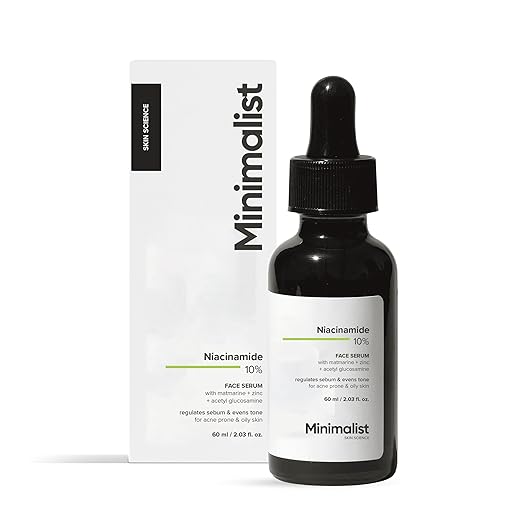
Best Overall — Minimalist 10% Niacinamide + Zinc
Minimalist built its reputation on transparent ingredient labelling and clinical concentrations at accessible prices. Their 10% niacinamide with zinc PCA is their most popular product — clean formulation, effective concentration, and an accessible price. Best for oily, acne-prone skin dealing with open pores and post-acne marks.
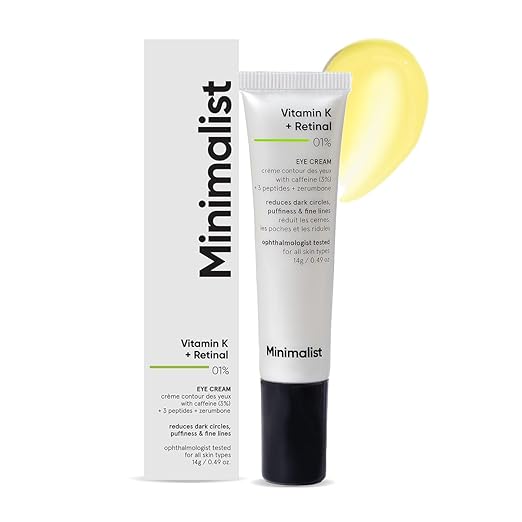
Best for Beginners — Minimalist 5% Niacinamide + Hyaluronic Acid
Same brand, lower concentration. If your skin reacts easily or you're completely new to actives, 5% gives you all the benefits with much less risk. The added hyaluronic acid makes it comfortable for dry-combination skin types.
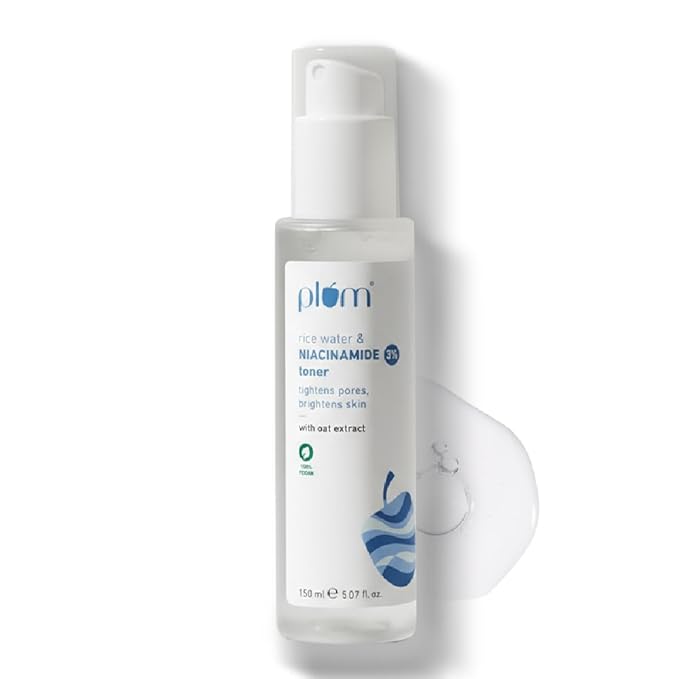
Trusted Indian Brand — Plum 10% Niacinamide with Rice Water
Plum has been a reliable name in Indian skincare for years. Their niacinamide serum is vegan, paraben-free, and has a slightly more elegant texture than Minimalist — which some people prefer under makeup or foundation. Good if you want a brand with a longer track record.
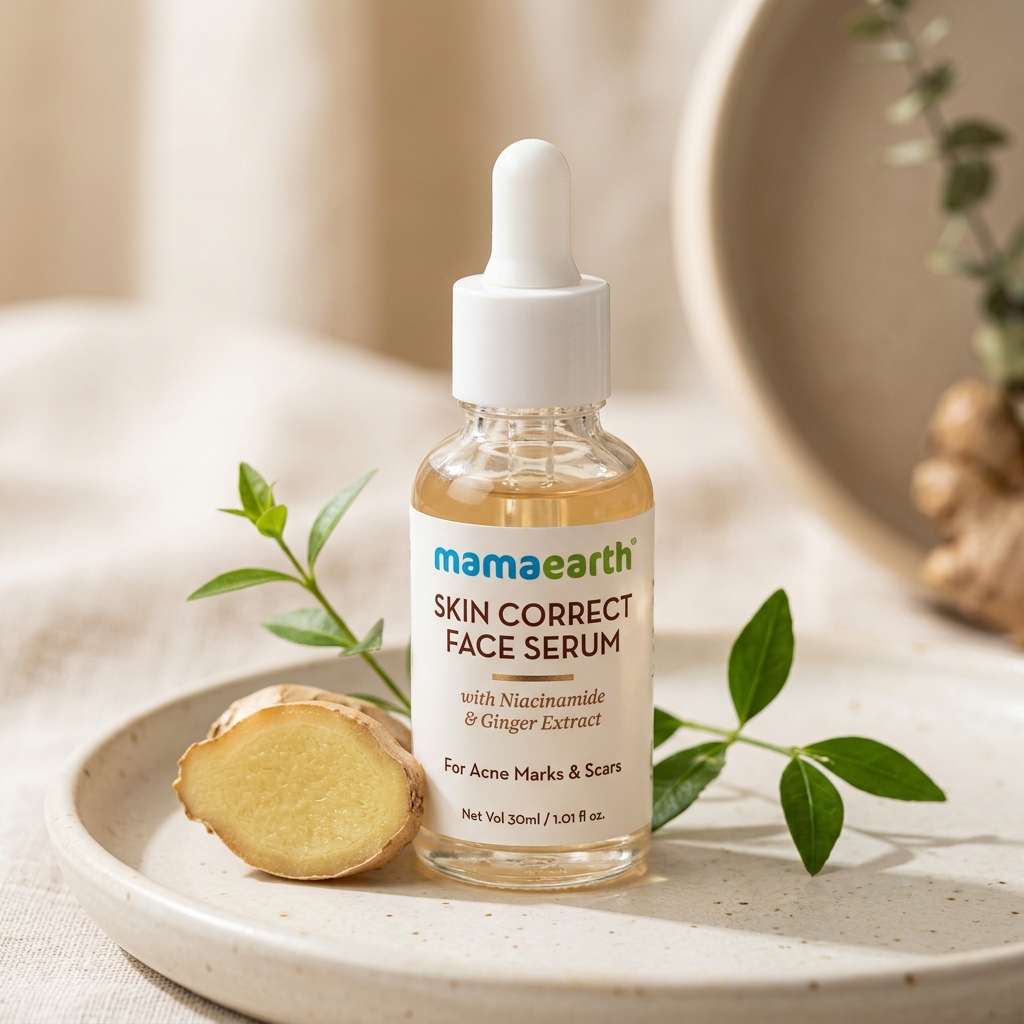
Widely Available — Mamaearth Niacinamide Face Serum
Mamaearth is the most widely distributed skincare brand in India — available in pharmacies, supermarkets, and online. A solid entry-level option, good for someone who prefers a familiar brand and wants something gentle and easy to find anywhere in India.
Side Effects and Common Mistakes
🔴 Flushing: A small percentage of people experience temporary redness after applying niacinamide. More common with 10%+. Start with 5% if unsure.
🔴 Overuse: Using niacinamide twice daily is fine. Using three products containing it simultaneously is not. Check your moisturiser and sunscreen — many now contain niacinamide already.
🔴 Expecting overnight results: Pigmentation takes 8–12 weeks to show visible improvement. Oil control typically shows in 2–4 weeks. Patience is required.
🔴 Skipping SPF: If you're treating pigmentation and not wearing sunscreen, you're wasting your time. UV creates new marks faster than niacinamide can fade existing ones.
Frequently Asked Questions
Is niacinamide good for Indian skin?
Yes — particularly well-suited. The most common Indian skin concerns (oiliness in humid weather, post-acne pigmentation, uneven tone from sun exposure) are precisely what niacinamide is clinically proven to address.
Can I use niacinamide every day?
Yes. Niacinamide is stable, gentle, and designed for daily use. Morning and night is fine. The only caution is not stacking multiple high-concentration products simultaneously.
Which is better — 5% or 10% niacinamide?
5% for sensitive skin, beginners, or dry-combination types. 10% for oily skin, significant pigmentation, or open pores. Both work — 10% works faster but has a slightly higher chance of irritation for reactive skin.
How long does niacinamide take to show results?
Oil control: 2–4 weeks. Pore appearance: 4–6 weeks. Pigmentation and dark spots: 8–12 weeks of consistent daily use. Take a photo when you start so you have something to compare after 3 months.
Can niacinamide be used with Vitamin C?
Yes. The old advice against this combination is outdated. You can use them together or at different times of day — Vitamin C morning, niacinamide night is a common approach.
Further Reading
Affiliate links disclosed. Mirha & Co. participates in the Amazon Associates Program. We earn a small commission on qualifying purchases at no additional cost to you. Product recommendations are based on ingredient quality and verified customer reviews — not commission rates.