The skincare market in India has a clarity problem. Walk into any pharmacy or open Amazon and you will find serums, essences, ampoules, boosters, and tonics — each marketed as if it is a distinct, essential category. Most of them are not. Two of those categories are worth your money. The rest are marketing territory, not dermatological necessity.
This guide does three things: defines each product type honestly, shows you where they sit in a routine and why, and reviews the specific products from your shelf worth buying — across niacinamide serums, hydrating essences, active serums, and moisturisers — with honest comparisons between them.
Serums, Essences, Moisturisers — The Real Definitions
Thinnest to thickest. Serums (thin, watery) go before moisturisers (thicker, occlusive). If you apply moisturiser before your serum, the serum cannot penetrate the occlusive layer and the active ingredients sit on the surface rather than reaching the target cells in the epidermis and dermis. Order matters as much as product choice.
Niacinamide Serums: Minimalist vs The Ordinary
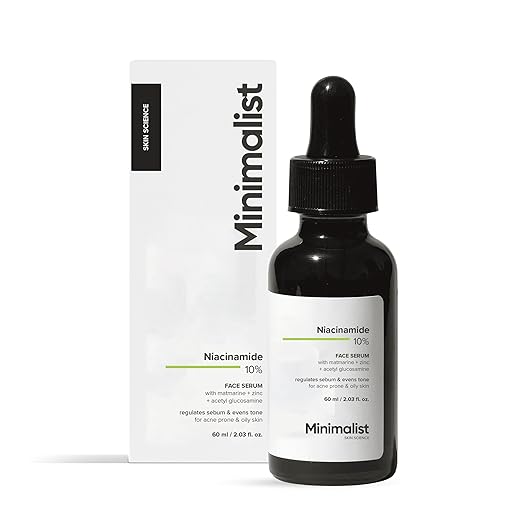
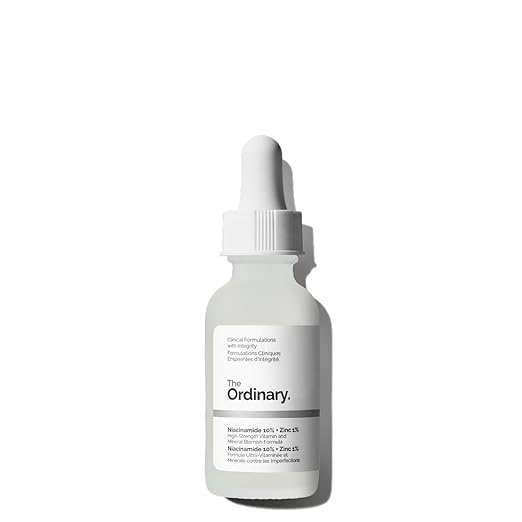
Both are 10% niacinamide with 1% zinc PCA. Both are fragrance-free and suitable for oily, combination, and acne-prone skin. The honest question is whether they are meaningfully different — and in what ways.
The verdict: If you are using a niacinamide serum as your primary oil control and acne management active, the Minimalist 60ml is better value and better suited to Indian conditions. If you prefer a lighter texture and layer multiple products, The Ordinary's more watery formula pills less. Both are genuinely effective at the same clinical concentration.
Hydration Serums: The Hyaluronic Acid Tier
Hyaluronic acid (HA) is a humectant — it attracts and retains water molecules from the environment into the skin. In Indian humidity conditions above 60%, HA serums are particularly effective because there is moisture in the air for them to draw from. In dry air conditioning or low-humidity winter months in Delhi or Jaipur, apply HA serums on slightly damp skin and follow immediately with moisturiser — otherwise they can draw water from within the skin rather than from the air, which worsens dehydration.
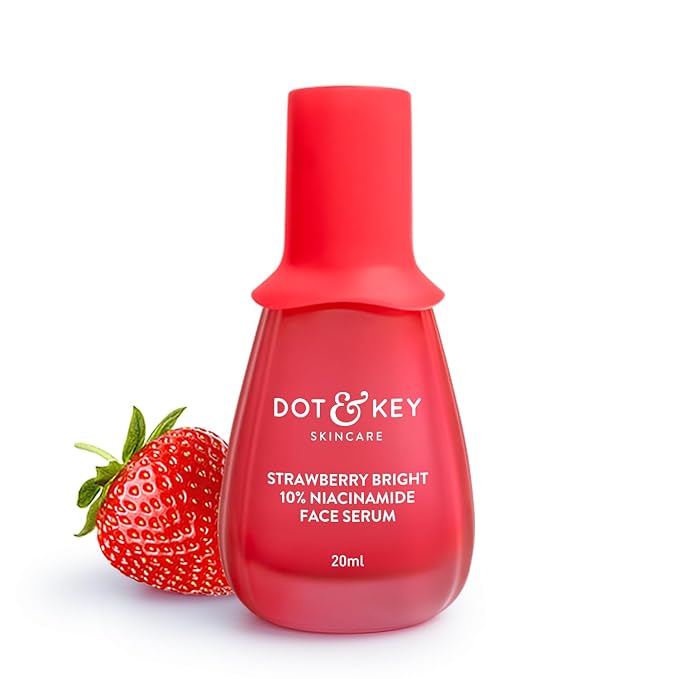
Dot & Key Watermelon Hyaluronic Serum
Triple hyaluronic acid at three molecular weights — each penetrates a different skin depth, providing layered hydration rather than surface-only moisture. Watermelon extract adds antioxidant protection alongside hydration. Lightweight enough for oily skin; hydrating enough for dry skin in monsoon months. At ₹400 for a gel-serum, it is the most versatile hydration product in this price range. Safe for sensitive skin: no actives, no fragrance, no essential oils.
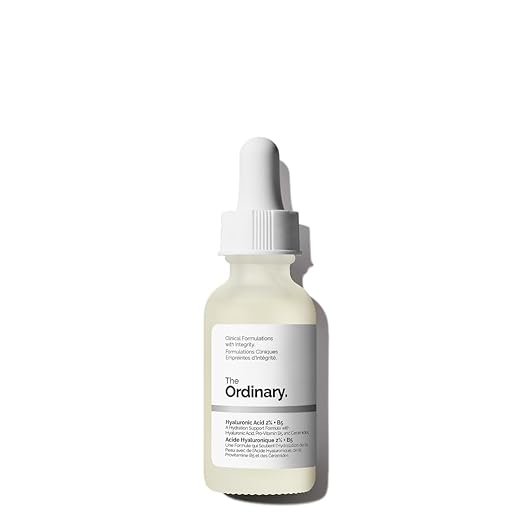
The Ordinary Hyaluronic Acid 2% + B5
The most clinical formulation: HA at multiple molecular weights plus panthenol (Vitamin B5) for barrier repair. At ₹1,000 for 30ml it is the premium option, but it is also the most thoroughly researched HA formulation commercially available. The B5 component is important — it actively repairs the skin barrier rather than simply hydrating the surface, making this the better choice for compromised, sensitised, or post-procedure skin. 33,000+ reviews at 4.6 stars.
Active Serums: Vitamin C and Retinol
These two belong in a separate category from niacinamide and hyaluronic acid because they require more careful management — time of day, frequency, and sequencing with other actives all matter.
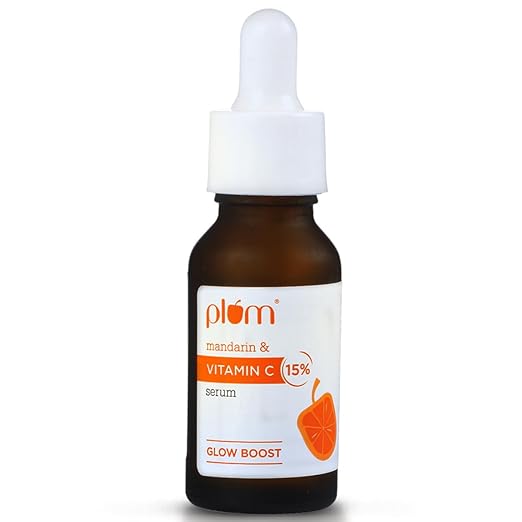
Plum 15% Vitamin C Face Serum — Brightening
Stable 15% Vitamin C (ascorbic acid derivative) with mandarin peel extract. Vegan, cruelty-free, and dermatologically tested. The stability of Vitamin C formulations is a genuine issue in Indian heat — store this in the refrigerator during summer. Use mornings, before SPF, on clean skin. The antioxidant effect is most valuable applied before UV exposure, not after. 14,600+ reviews.
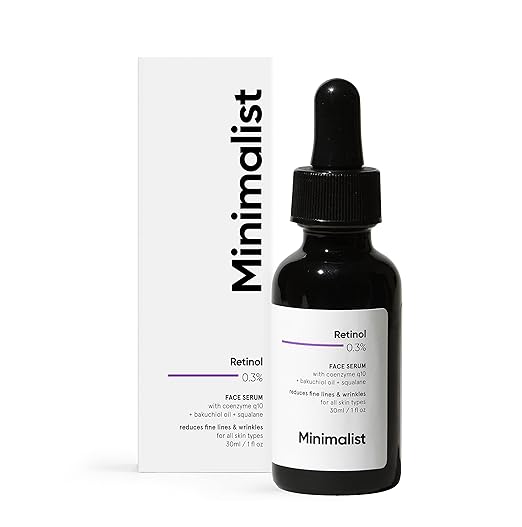
Minimalist Retinol 0.3% + Squalane — Anti-Ageing
Entry-level retinol in a squalane base. The 0.3% concentration is the correct starting point for Indian skin — high enough to produce cell turnover benefits, low enough to minimise the purging and dryness that causes most people to abandon retinol before seeing results. Night use only, 2–3 times per week for the first 8 weeks. Always apply SPF the morning after every retinol night. Retinol increases photosensitivity — unprotected UV exposure the day after retinol use actively undoes the repair the retinol initiated.
Gel vs Cream: Which Moisturiser Does Indian Skin Need?
| Type | Texture | Best For | Season | Key Difference |
|---|---|---|---|---|
| Water Gel | Thin, watery | Oily, combination | Summer, monsoon | No occlusion — hydrates without sealing |
| Gel Cream | Medium weight | Normal, combination | Year-round | Balanced hydration and light occlusion |
| Rich Cream | Thick, occlusive | Dry, sensitive, winter | Winter, AC-heavy environments | Seals moisture for extended periods |
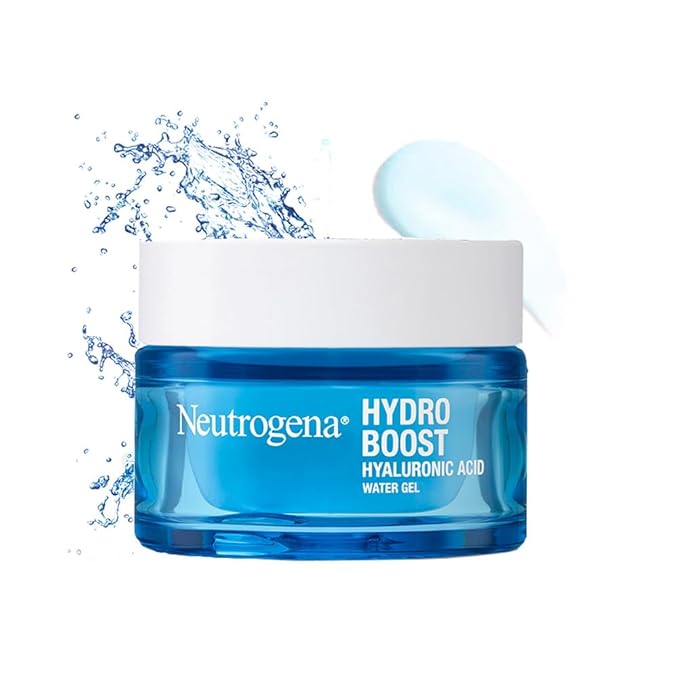
Neutrogena Hydro Boost Water Gel — Gel Moisturiser
The dermatologist-recommended standard for oily-to-normal skin. Hyaluronic acid-based water gel that absorbs in seconds, provides 48-hour hydration, and is non-comedogenic. Does not feel heavy in Indian summer humidity. The misconception is that oily skin doesn't need moisturiser — it does, but it needs this texture, not a cream. 10,400+ reviews at 4.4 stars confirms consistent, cross-skin-type satisfaction.
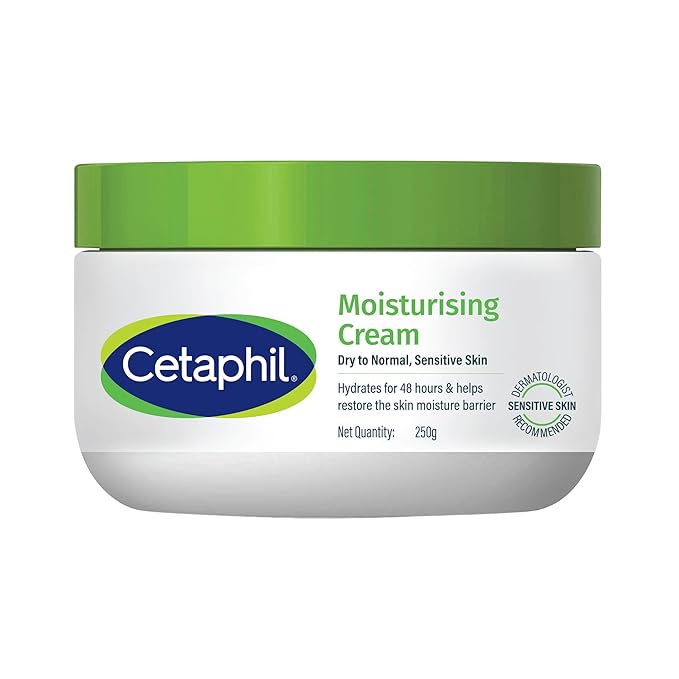
Cetaphil Moisturising Cream 250g — Rich Cream
The clinical standard for dry and sensitive skin. Glycerin and niacinamide-based occlusive cream that seals hydration delivered by your serum for hours. Non-comedogenic despite its richness. Works for both face and body, which makes the 250g jar exceptional value. For Indian skin using retinol or any exfoliating active, this is the moisturiser that prevents the dryness and flaking that makes people stop using those actives before they work. 4.5 stars across 4,200+ reviews.
The Exfoliating Essences: When You Actually Need Them
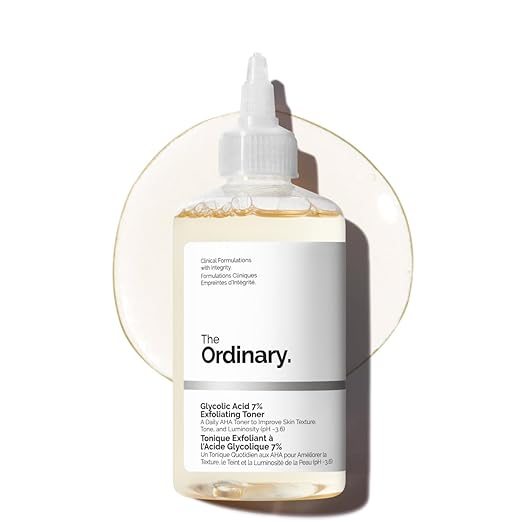
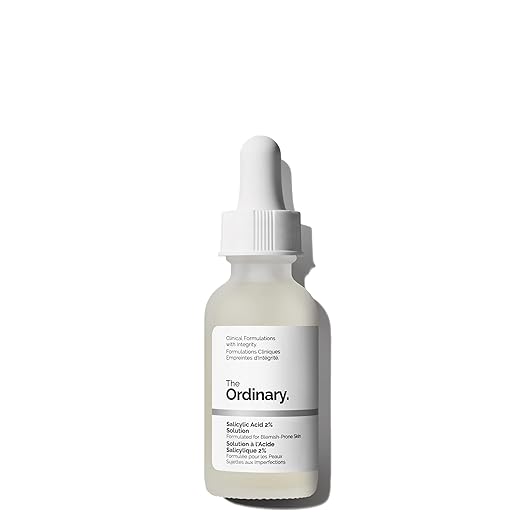
The Ordinary's Glycolic Acid Toner and Salicylic Acid Solution are often miscategorised as essences or toners. They are exfoliating actives — closer to serums in function than to hydrating essences. These are not daily products for most people.
The Ordinary Glycolic Acid 7% Toning Solution
Chemical exfoliant that removes dead surface cells, improves skin texture, and fades superficial pigmentation. Use once or twice per week — not daily. Apply after cleansing with a cotton pad to face and neck. Do not use on the same nights as retinol or other acids. Best for normal-to-oily skin with texture concerns and mild pigmentation. The 37,000+ reviews and 4.4 stars reflect consistently strong long-term satisfaction.
The Ordinary Salicylic Acid 2% Solution
BHA exfoliant that penetrates oil and clears pores from within. Where glycolic acid works on the surface, salicylic acid works inside the pore — making it the correct choice for blackheads, whiteheads, and congested pores. Leave-on formula applied at night after cleansing. 2–3 times per week. Not for daily use — over-exfoliation with salicylic acid disrupts the barrier and triggers compensatory oil production.
The Complete Layering Order
1. Cleanser → 2. Serum (niacinamide or Vitamin C — not both initially) → 3. Moisturiser (gel for oily, cream for dry) → 4. SPF 50 PA++++ — always last in the morning.
1. Cleanser → 2. Active Serum (niacinamide nightly; retinol 2–3× per week; exfoliating acid 1–2× per week on separate nights from retinol) → 3. Moisturiser. No SPF at night.
Frequently Asked Questions
- Proksch E, et al. The Skin: An Indispensable Barrier. Exp Dermatol. 2008;17(12):1063–1072. PubMed
- Boo YC. Mechanistic Basis and Clinical Evidence for Niacinamide to Control Skin Aging and Pigmentation. PMC. 2021. PMC
- Pullar JM, et al. The Roles of Vitamin C in Skin Health. Nutrients. 2017;9(8):866. PMC
- Zasada M, Budzisz E. Retinoids: active molecules influencing skin structure formation. Adv Dermatol Allergol. 2019;36(4):392–397. PMC
- Marques C, et al. Mechanistic Insights into the Multiple Functions of Niacinamide. Antioxidants (MDPI). 2024;13(4):425. PMC
This post contains affiliate links to Amazon India. Purchases through these links earn Mirha & Co. a small commission at no extra cost to you. Product selection is based on ingredient research, dermatologist guidance, and verified customer reviews. No products are gifted or sponsored.