Why Moisturiser Is Non-Negotiable — Even for Oily Skin
The most persistent myth in Indian skincare is that oily skin does not need a moisturiser. The logic seems sound — why add moisture to already-oily skin? The reality is the opposite of what the logic suggests.
Sebum (oil) and water are different things. Sebum is produced by sebaceous glands as a protective barrier. When the skin becomes dehydrated — which happens from harsh cleansers, air conditioning, pollution, and sun exposure — it signals the sebaceous glands to produce more oil to compensate.
The result: oily skin that is also dehydrated. Using a lightweight moisturiser breaks this cycle. Hydrated skin has no reason to overproduce sebum. Most people who switch from skipping moisturiser to using a gel moisturiser report less midday oiliness within three to four weeks — not more.
Gel vs Lotion vs Cream — What the Textures Mean
The texture of a moisturiser determines how it feels on skin and who it is appropriate for. In Indian conditions — heat, humidity, and heavy air conditioning — texture choice matters more than ingredient list.
Gel / Water Gel
Oily, combination, acne-proneAbsorbs immediately, no residue, no white cast. The only format that works for oily skin in Indian summers.
When: Year-round for oily skin. For combination skin in monsoon and summer months.
Lotion
Normal, combinationLighter than cream, some residue, moderate hydration. Works well in moderate climates and AC environments.
When: Delhi winter for combination skin. Coastal climates for normal skin year-round.
Cream
Dry, very dry, sensitiveRich, occlusive, stays on skin. Prevents transepidermal water loss. Can feel heavy in humidity.
When: Dry skin year-round. All skin types in AC-heavy environments or winter months.
For Oily and Acne-Prone Skin
The criteria for oily skin: oil-free, non-comedogenic, absorbs in seconds, no residue, and ideally contains hyaluronic acid rather than heavy emollients. In Indian humidity, anything with mineral oil, petrolatum, or silicones as primary ingredients will feel suffocating by midday.
Neutrogena Hydro Boost Water Gel is the clearest example of what oily skin actually needs: 98% water-based, absorbs without trace, hyaluronic acid as the primary active, dermatologist-approved across clinical settings. It is used as a reference product by dermatologists in India precisely because it functions without compromising oily skin.
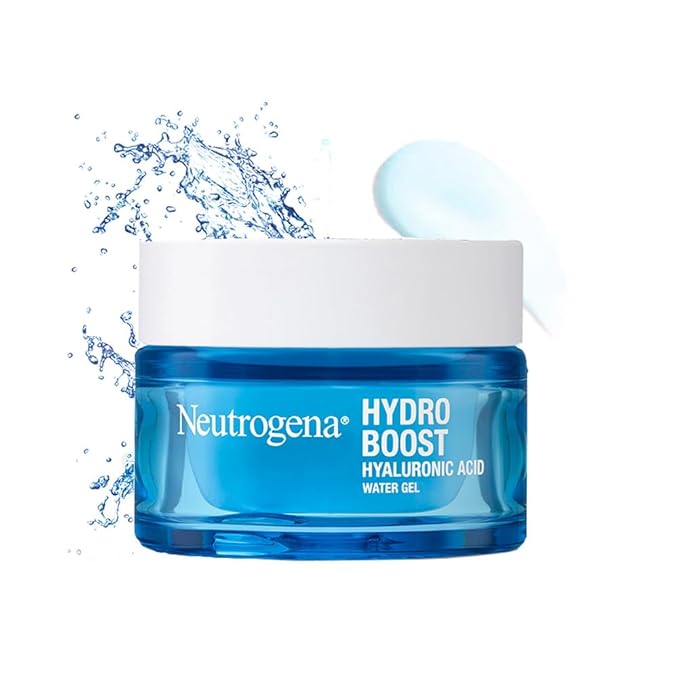
Amount to use: a five-paise coin-sized amount for the full face. Oily skin needs hydration, not layers of product. Over-applying a gel moisturiser on oily skin leads to pilling when you apply SPF on top.
For Dry and Sensitive Skin
Dry skin needs a moisturiser that does two things: delivers hydration (humectants like hyaluronic acid and glycerin) and seals it in (occlusives like petrolatum, shea butter, ceramides). A product that only delivers hydration without sealing it loses water to evaporation — this is why lightweight serums alone do not fix dry skin.
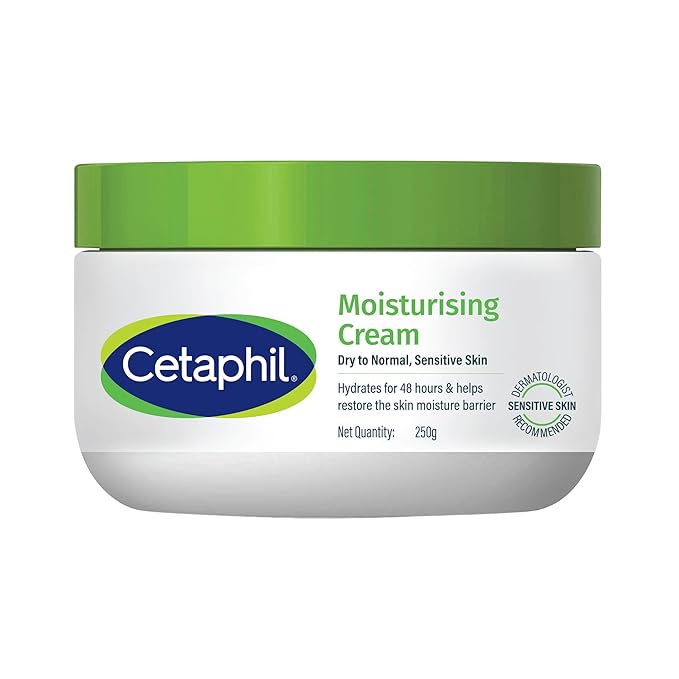
For dry skin in India, the priorities are fragrance-free (fragrance is the most common allergen in Indian beauty products and dry skin is more permeable), ceramide-containing where possible, and rich enough to provide an occlusive seal. Cetaphil Moisturising Cream meets all three criteria and remains the first recommendation of most Indian dermatologists for consistently dry or eczema-adjacent skin.
For Combination Skin
Combination skin — oily T-zone, normal to dry cheeks — is the hardest to moisturise because both zones have different needs. The practical solution is to use a lightweight gel moisturiser across the full face (which handles the T-zone) and apply a small additional amount of a slightly richer product on the cheeks only.
In Indian humidity, a gel moisturiser is almost always sufficient for both zones. In winter or heavy AC environments, the cheeks may need a brief additional layer.
Why Your Moisturiser Is Not Working
You are applying it on dry skin. Humectants — hyaluronic acid, glycerin — draw moisture from the environment into the skin. On dry skin in low-humidity conditions (air conditioning, winter), there is nothing to draw from. Apply moisturiser on slightly damp skin — within 60 seconds of cleansing — to lock in existing water.
You are using the wrong texture for your climate. A cream moisturiser in Mumbai's monsoon will feel suffocating and pill under SPF. A gel moisturiser in Delhi's January will leave skin feeling tight within an hour. Match your moisturiser texture to your current climate, not just your skin type.
You are skipping SPF. UV exposure causes transepidermal water loss — the technical term for your skin losing moisture through its surface. If you moisturise every morning and then go out without SPF, you are undoing the hydration within an hour. Moisturiser without SPF is incomplete in India year-round.
Your cleanser is too harsh. Sulphate-based face washes strip the skin barrier, which prevents any moisturiser from working effectively because moisture escapes through the compromised barrier as fast as it is applied. The moisturiser problem is often actually a cleanser problem.
Frequently Asked Questions
Do I need a separate day and night moisturiser?
No. The difference between AM and PM moisturisers is largely marketing. A good lightweight gel moisturiser (AM and PM for oily skin) or a cream (PM for dry skin, gel AM) is sufficient. The one valid distinction: your AM moisturiser should be followed by SPF. Your PM moisturiser can be slightly richer if your skin is dry.
Should I moisturise if I have active acne?
Yes — especially if you are using acne treatments (salicylic acid, retinol, benzoyl peroxide) that dry the skin. Active acne does not mean your skin does not need hydration. Use an oil-free, non-comedogenic gel moisturiser. Skipping it while using drying actives is one of the fastest ways to damage your skin barrier.
Can I use a body lotion on my face?
Generally not recommended. Body lotions are formulated for the thicker, less sensitive skin of the body and often contain fragrances and heavier emollients that can clog facial pores. Use a face-specific formula.
What order does moisturiser go in the routine?
After your serum(s) and before SPF in the morning. After your serum(s) as the final step in the evening. The rule is thinnest to thickest — serums before moisturiser, moisturiser before SPF.
Further Reading
Affiliate links disclosed. Mirha & Co. participates in the Amazon Associates Program. We earn a small commission on qualifying purchases at no additional cost to you.