Why Indian Skin Needs Less, Not More
The 10-step K-beauty routine was designed for a specific climate, skin type, and cultural context. Korea. Not Mumbai in June. Not Delhi in October. Not Chennai year-round.
Indian skin operates in conditions that make excessive layering actively counterproductive. High humidity means multiple product layers sit on the skin rather than absorbing. Hard water in most metro cities (Delhi, Mumbai, Bengaluru, Hyderabad) leaves a mineral film that blocks absorption. Pollution from vehicular exhaust mixes with excess product on the skin surface and clogs pores.
Three products done correctly will outperform seven products done inconsistently in Indian conditions. This is not minimalism for its own sake — it is the approach that clinical evidence and Indian dermatologists consistently recommend for beginners.
The Framework
Morning — 2 minutes
- Cleanser
- Moisturiser
- Sunscreen SPF 50
Night — 2 minutes
- Cleanser
- Moisturiser
That is the complete routine. Sunscreen is morning only — no UV to block at night. Everything else is identical AM and PM. The power is in the consistency, not the complexity.
Cleanser
The cleanser is doing more work than most beginners realise. It is not just removing dirt. It is removing the hard water mineral residue, the pollution particulate, and the sebum that accumulated since the last wash — all without disrupting the pH and lipid balance that keeps your skin barrier functional.
The wrong cleanser — specifically a sulphate-heavy, high-foam face wash that strips every trace of natural oil — sets everything else up to fail. Stripped skin overproduces oil within two hours. The moisturiser cannot compensate for a destroyed barrier. And you end up oilier at noon than if you had not washed at all.
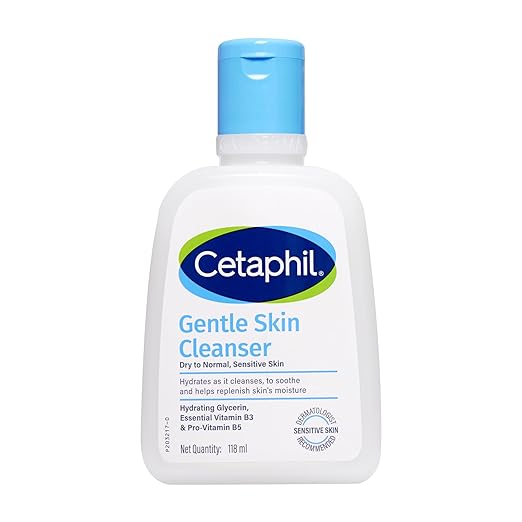
What you need: sulphate-free, pH-balanced (around 5.5), fragrance-free. Cetaphil's Gentle Skin Face Wash is the cleanser that Indian dermatologists recommend most consistently across skin types. It does not produce a satisfying foam. This is not a flaw — it means it is not stripping your skin.
For all skin types including sensitive
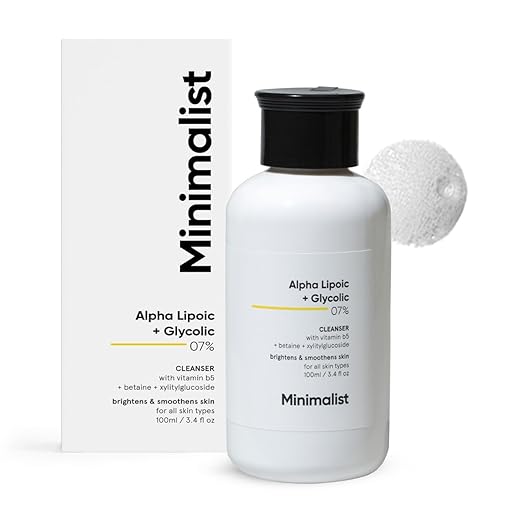
For oily and acne-prone skin — gentle exfoliating formula
How to use
Wet face with lukewarm water. Apply a coin-sized amount. Massage 20–30 seconds — not longer. Rinse. Pat dry with a clean towel. Do not rub. Never use hot water — it strips the barrier.
Moisturiser
The most common mistake Indian beginners make is skipping moisturiser because they have oily skin. This makes oily skin worse, not better. When skin is dehydrated — from harsh cleansers, air conditioning, pollution, or sun exposure — sebaceous glands compensate by producing more oil. You end up with dehydrated oily skin. A lightweight gel moisturiser breaks this cycle by giving the skin what it needs without adding the heavy emollients that cause breakouts.
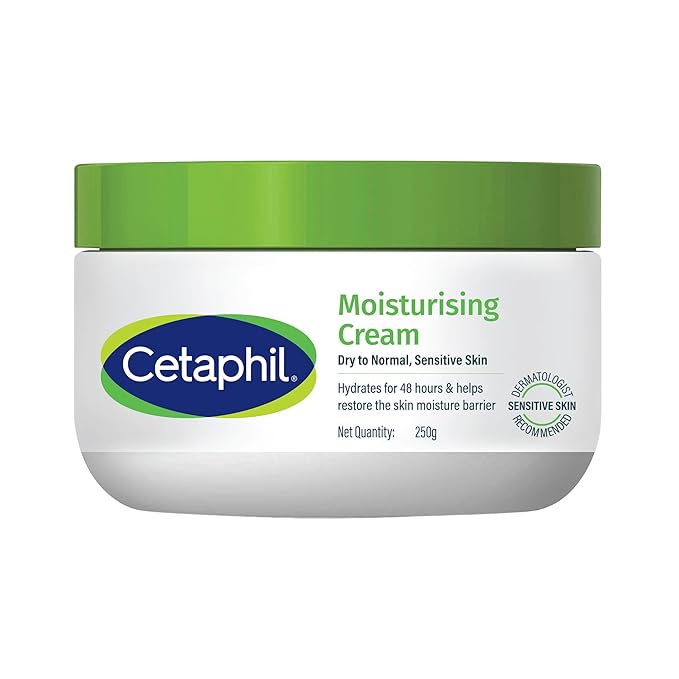
For most Indian skin types: a water-based gel or gel-cream. For genuinely dry skin: a cream with ceramides. Apply to slightly damp skin immediately after cleansing — the hydration seals in the residual moisture from washing.
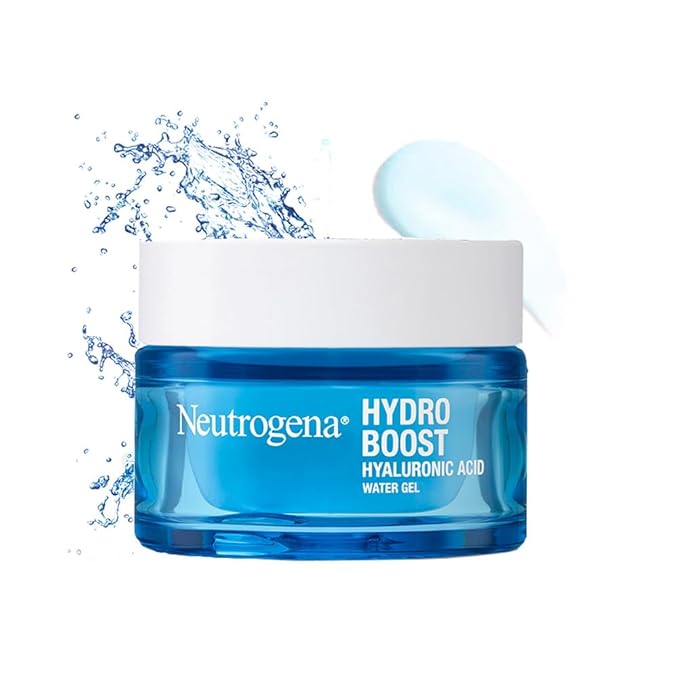
For oily and combination skin — oil-free water gel
For dry and sensitive skin — ceramide-rich cream
Sunscreen — The Non-Negotiable
If there is one thing a dermatologist in India will tell every patient regardless of skin type, budget, or concern: wear sunscreen. Every day. It prevents 80% of visible aging. It stops acne marks from darkening. It prevents the hyperpigmentation that takes months of active treatment to reverse. In India's UV conditions — Very High to Extreme index year-round in most cities — it is the highest-return-per-rupee product you will ever buy.
Morning only. Applied after moisturiser as the final step. A quarter teaspoon for the full face — most people apply a quarter of the necessary amount and wonder why they are still tanning. PA++++ is the rating to look for in India — it indicates UVA protection, which is the wavelength that creates pigmentation.
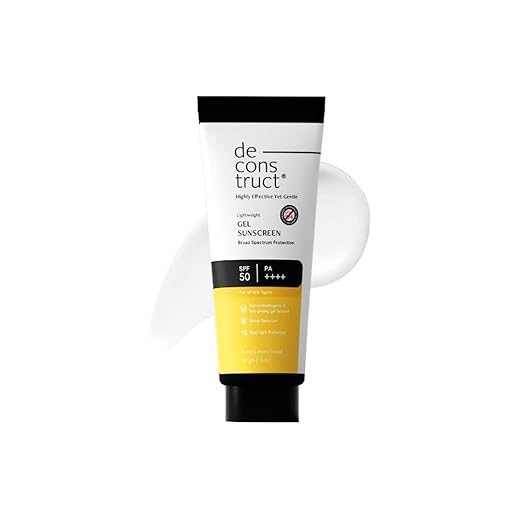
For oily and acne-prone skin
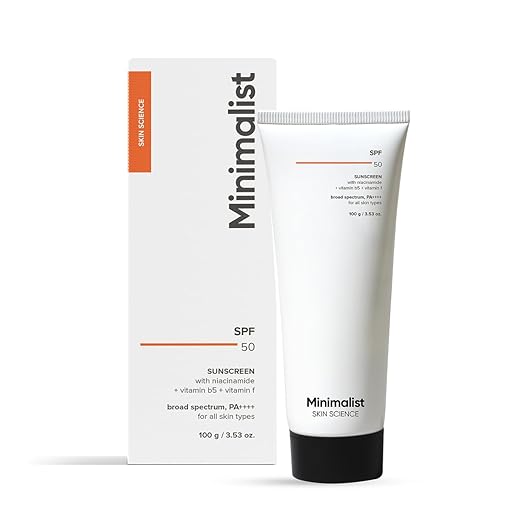
Budget pick — no white cast, PA++++
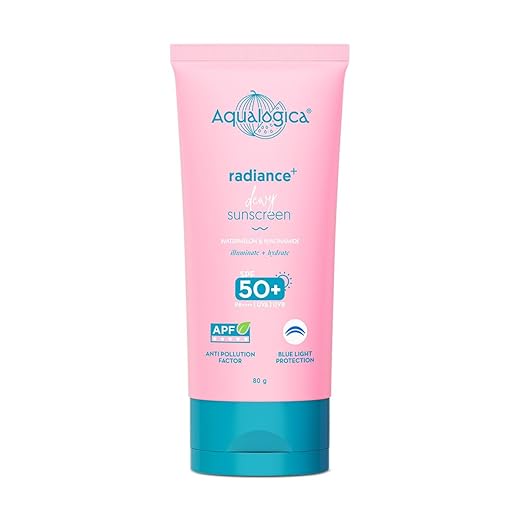
For oily-dehydrated skin — hydrating + SPF
After 6 Weeks — What to Add (and When)
Six weeks of consistent three-step routine. No new products. No changes. After that, if your skin is stable and you want to address a specific concern, add one product — only one — and wait four more weeks before evaluating.
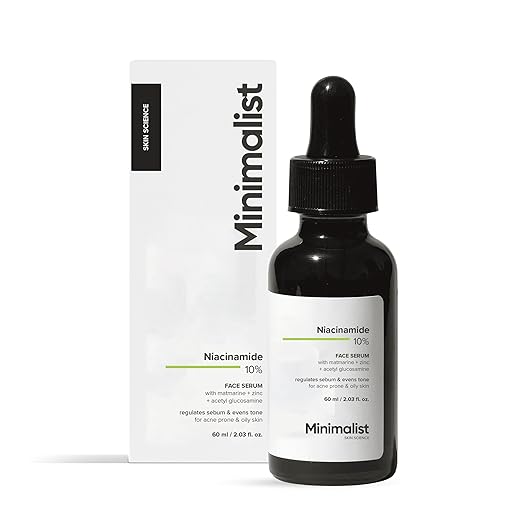
Oily skin + pores + post-acne marks
10% Niacinamide serum
After cleanser, before moisturiser. AM and PM.
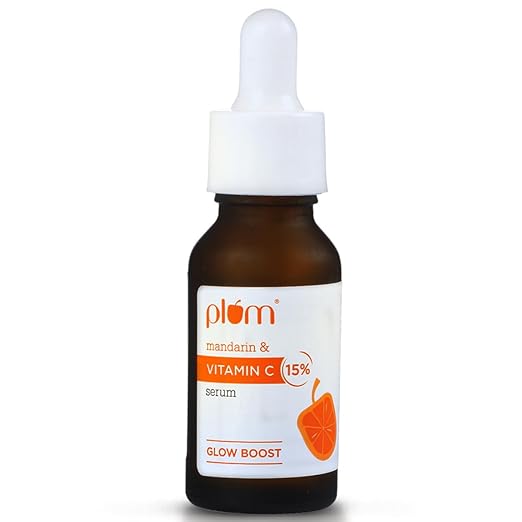
Dullness + uneven tone + dark spots
Vitamin C serum (15%)
Morning only. Before moisturiser. Always followed by SPF.
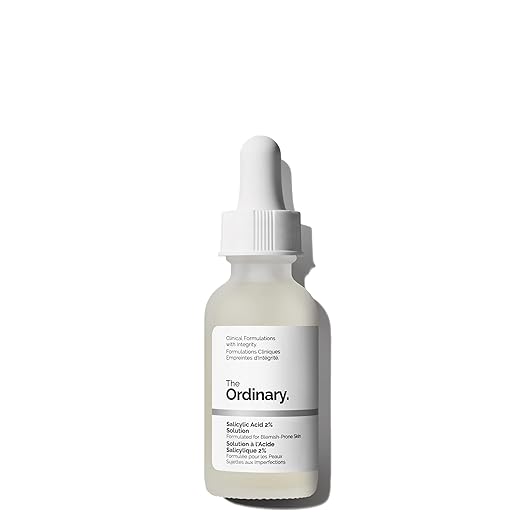
Active acne + blackheads + oily T-zone
Salicylic acid face wash or leave-on
PM only. 2–3x per week initially.
The 6 Mistakes That Keep Beginners Stuck
Adding too many products at once
You cannot know what is working or what caused the breakout. One product every four weeks is the only way to build a routine you can actually trust.
Switching products before giving them time to work
Skin cells cycle every 28 days. Four to six weeks minimum before any product shows its full effect. Switching at week two means you never know if it was working.
Skipping moisturiser for oily skin
Dehydration triggers compensatory sebum production. You end up oilier by noon than if you had moisturised. Use a lightweight gel — not a cream.
Using hot water to cleanse
Hot water disrupts the lipid barrier that holds skin cells together. Lukewarm. Always.
Skipping sunscreen indoors
UVA penetrates glass. If you sit near a window, you are receiving pigmentation-causing UV exposure without knowing it. Sunscreen is every morning, not every outdoor morning.
Expecting visible results in 10 days
Skin improvement is gradual and non-linear. Take a photo on day one and compare at week eight. The day-to-day is invisible. The eight-week comparison is usually significant.
Frequently Asked Questions
Do I need to use different products for morning and night?
Not as a beginner. Same cleanser and moisturiser AM and PM is completely appropriate. The only AM-only product is sunscreen. You can eventually use a slightly richer moisturiser at night, but it is not necessary in the beginning.
Can I mix products from different brands?
Yes. Brand loyalty in skincare is mostly marketing. A Cetaphil cleanser with a Minimalist moisturiser and Deconstruct sunscreen is a perfectly coherent routine. What matters is the ingredient profile, not the brand.
How long until I see results?
Four to six weeks for improvement in texture and oiliness. Eight to twelve weeks for meaningful change in pigmentation or acne frequency. Skin cells turn over every 28 days. Results that matter require at least two full cell cycles.
My skin got worse in the first two weeks. Should I stop?
Possibly a purge — skin adjusting to a new routine by surfacing congestion that was already forming. If the breakouts are small and in areas where you typically break out, stay the course for four weeks. If you are experiencing stinging, unusual redness, or breakouts in areas where you never break out, stop the newest product you added.
Do I need to exfoliate as a beginner?
No. Exfoliation is one of the most over-recommended beginner steps and one of the most common causes of barrier damage. Get the three-step routine solid for at least three months before considering a gentle chemical exfoliant.
Further Reading
Affiliate links disclosed. Mirha \u0026 Co. participates in the Amazon Associates Program. We earn a small commission on qualifying purchases at no additional cost to you. Product recommendations are based on ingredient quality and verified customer reviews — not commission rates.