SKINCARE
Azelaic Acid + Niacinamide: The Science of Fading Hyperpigmentation Without Skin Purging
Struggling with stubborn post-acne dark marks, melasma, or redness, but can't tolerate harsh retinoids or AHA peels? Discover why combining Azelaic Acid with Niacinamide is dermatologists' favorite gentle power duo for even, radiant skin.
Introduction: Why High-Strength Exfoliants Backfire on Melanin-Rich Skin
Post-Inflammatory Hyperpigmentation (PIH) is one of the most persistent skin concerns, especially for South Asian, Hispanic, and Black skin tones. When a pimple resolves or the skin experiences inflammation, melanocytes in the basal layer produce an excess burst of melanin, leaving behind dark brown or dark red spots.
The conventional response is often aggressive chemical peels or high-concentration Glycolic Acid serums. However, in melanin-rich skin, strong exfoliation can induce secondary micro-inflammation, worsening hyperpigmentation rather than clearing it. Enter Azelaic Acid and Niacinamide—a scientifically proven duo that fades dark marks with zero skin purging or photosensitivity.
The Mechanism: How Azelaic Acid Selectively Targets Hyperactive Pigment Cells
Azelaic Acid is a naturally occurring dicarboxylic acid produced by yeast on healthy skin. Unlike harsh acids that indiscriminately peel top layers, Azelaic Acid acts as a competitive inhibitor of Tyrosinase—the core enzyme responsible for synthesizing melanin.
Remarkably, Azelaic Acid exhibits selective cytotoxic behavior: it specifically targets abnormal, hyperactive melanocytes (the ones responsible for dark spots and melasma) while leaving normal, healthy skin pigment completely untouched. Furthermore, its potent anti-inflammatory properties soothe erythema (redness) associated with rosacea and fresh acne scars.
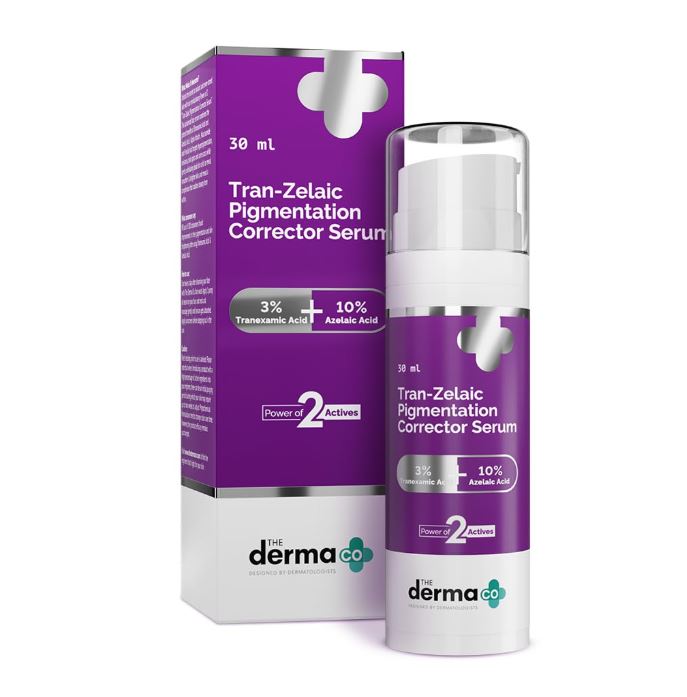
Synergy Unleashed: Why Niacinamide is Azelaic Acid's Perfect Partner
While Azelaic Acid inhibits the production of new melanin at the cellular base, Niacinamide (Vitamin B3) intervenes at the next step of the pigment pathway. Niacinamide blocks the transfer of melanosomes (pigment packages) from melanocytes into surrounding keratinocyte cells by up to 68%.
By combining the two, you create a complete double-action trap: Azelaic Acid shuts down excess melanin synthesis at the root, while Niacinamide prevents existing pigment from surfacing to the skin's visible outer layers. Additionally, Niacinamide strengthens the ceramide barrier, reducing any mild dryness Azelaic Acid might initially cause.
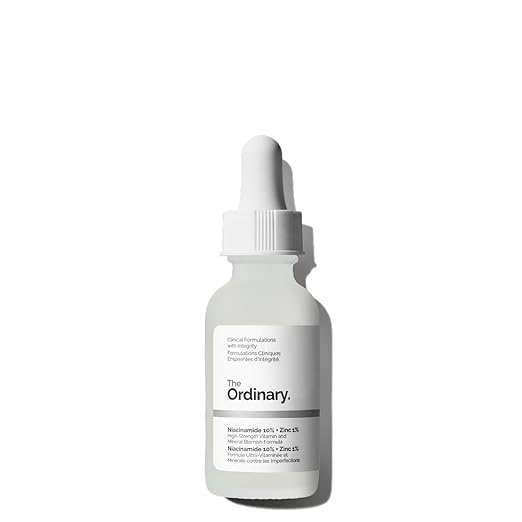
How to Layer Azelaic Acid + Niacinamide in Your Daily Routine
Because neither ingredient increases sun sensitivity or causes purging, this pair is exceptionally versatile for both morning and evening routines:
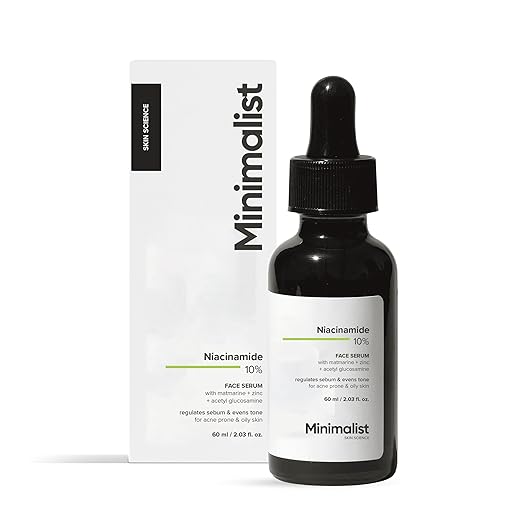
- AM Routine: Cleanse with a gentle pH-balanced cleanser → Apply 5% Niacinamide Serum → Follow with 10% Azelaic Acid cream or gel → Apply broad-spectrum SPF 50 sunscreen.
- PM Routine: Double cleanse → Apply Niacinamide → Layer Azelaic Acid → Seal with a barrier-repair moisturizer containing ceramides or squalane.
Pro Tip: If using prescription 15-20% Azelaic Acid, buffer by applying Niacinamide and moisturizer first to minimize transient tingling.
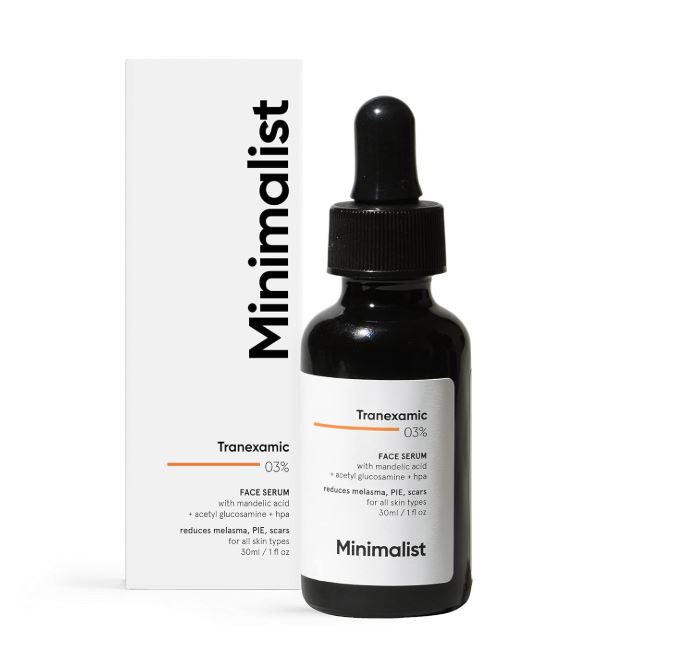
Conclusion: Gentle, Science-Backed Results That Last
Fading hyperpigmentation is a marathon, not a sprint. By leveraging the biological synergy of Azelaic Acid and Niacinamide, you can eliminate dark spots and restore even skin tone without breaking your moisture barrier. Check the Mirha & Co. Portal to analyze how ingredient concentrations match your specific skin concern and climate.
Editorial Note
Mirha & Co. reviews skincare using ingredient analysis, formulation pH compatibility, and regional tap water hardness data. Simple guides for educational purposes—always patch test new products on your skin.