Why Does the Face Become Darker Than the Body?
Unlike the skin on your back or stomach, your face is constantly on the frontlines. It battles environmental stressors, pollution, heat, and sometimes even our own well-meaning skincare experiments on a daily basis. Here are the main culprits behind facial darkening:
1. Sun Exposure and Chronic Tanning
This is usually the biggest offender. Your face receives significantly more UV radiation than almost any other part of your body. Over time, your skin produces extra melanin as a natural defense mechanism against this UV damage, which leads to tanning and darkening.
2. Post-Inflammatory Hyperpigmentation (PIH)
Hyperpigmentation happens when specific areas of your face go into overdrive and produce excess melanin. This is usually triggered by inflammation like picking at acne, harsh skin irritation, or hormonal shifts. Unlike a simple tan, hyperpigmentation can linger for months or years if you don't actively treat it.
3. Pollution and Free Radical Damage
If you live in a major Indian city, your skin is soaking up pollutants every time you step outside. Urban environments expose the skin to smog and toxins that generate free radicals. These trigger low-grade inflammation, accelerate aging, and make your skin appear dull and grayish.
4. A Damaged Skin Barrier
Sometimes, we are our own worst enemies. Using harsh cleansers, over-exfoliating with strong acids, mixing too many active ingredients, or simply skipping moisturizer can wreck your skin barrier. When your barrier is compromised, your skin becomes inflamed, leading to darkening.
How to Prevent Facial Darkening
Wear a High-Quality Sunscreen Every Single Day
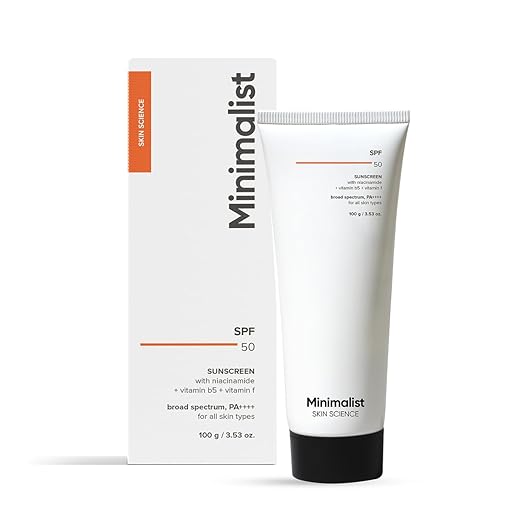
We can't stress this enough: Sunscreen is your best friend. This is the single most effective step in preventing and treating a darkened face. Look for a broad-spectrum sunscreen with SPF 50+ and a PA++++ rating.
Stop Over-Exfoliating
Scrubbing harder won't make your skin brighter. In fact, it does the exact opposite by triggering inflammation. Limit chemical exfoliants (like AHAs or BHAs) to just 1-2 times a week.
Focus on Barrier Repair
A healthy, hydrated skin barrier is far less prone to hyperpigmentation. Incorporate soothing, hydrating ingredients into your routine, such as Ceramides, Glycerin, Hyaluronic Acid, and Panthenol.
Ingredients That Actually Help Brighten Uneven Skin
If you're looking to actively treat existing unevenness, these are the heavy hitters you want in your routine:
- Niacinamide: A fantastic all-rounder. It regulates pigment transfer, improves your barrier, and calms redness.
- Vitamin C: A powerful antioxidant that brightens the skin and acts as a second line of defense against environmental pollution.
- Alpha Arbutin: Highly effective for fading stubborn dark spots and reducing excess melanin production without irritating the skin.
- Tranexamic Acid: One of the best emerging ingredients for tackling stubborn melasma and post-acne pigmentation.
The Niacinamide Powerhouse
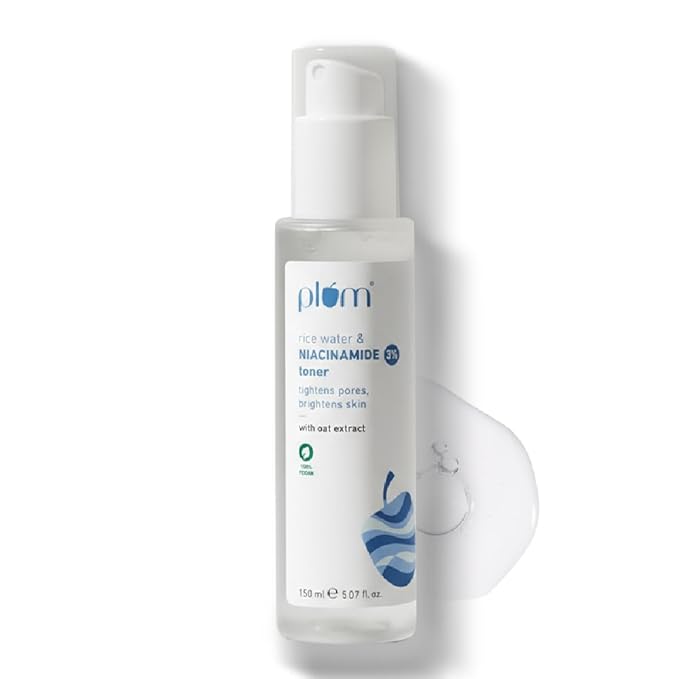
Formulated with rice water and 10% niacinamide, this serum is incredible for fading blemishes, evening out skin tone, and soothing irritation.
How Long Does It Actually Take to See Results?
Patience is key. Skin doesn't change overnight. Depending on the root cause, here is a realistic timeline:
- Mild Sun Tanning: 4 to 8 weeks of consistent sun protection.
- Post-Acne Marks (PIH): 2 to 6 months of targeted treatments.
- Deep Pigmentation & Melasma: 6+ months and usually requires long-term management.
If your face is darker than your body, please don't stress. It's an incredibly common result of sun exposure, environmental stress, and occasional skincare missteps. The great news is that by wearing sunscreen diligently, protecting your skin barrier, and using the right brightening ingredients, you can significantly even out your complexion over time. Just remember: healthy skin isn't about chasing a lighter skin tone—it's about achieving a radiant, even, and healthy glow!