Walk into any pharmacy or scroll through Amazon India and you'll find hundreds of supplements promising everything from glowing skin to better sleep to sharper focus. Most of them are expensive placebos dressed up in clinical-looking packaging.
But some supplements have genuine, robust evidence behind them — the kind that holds up across multiple independent studies, not just one enthusiastic trial funded by the manufacturer. This guide covers only those. No hype. No affiliate-driven padding. Just what the science actually supports for Indian adults.
Two supplements with real evidence are worth more than ten with impressive marketing. Start with the basics — they're also the cheapest and most impactful.
Worth Taking
Vitamin D3 + K2 — The Most Common Deficiency in India
This one surprises most people: despite living in one of the sunniest countries in the world, Vitamin D deficiency is extremely common in India. Studies consistently show that 70–90% of urban Indians are deficient. The reasons are straightforward — most of us spend our days indoors, we cover up to avoid sun damage, and Indian skin requires more sun exposure than lighter skin to produce the same amount of Vitamin D.
The effects of deficiency are significant: fatigue, low immunity, poor bone density, mood issues, and slower muscle recovery. Most people attribute these symptoms to stress or poor sleep without realising the underlying cause.
Why D3 specifically, and why combined with K2? D3 is the form your body actually uses (D2 is less effective). K2 in MK-7 form ensures the calcium that D3 helps absorb goes to your bones — not your arteries. The combination is significantly more beneficial than D3 alone. Take with a meal that contains fat for best absorption.
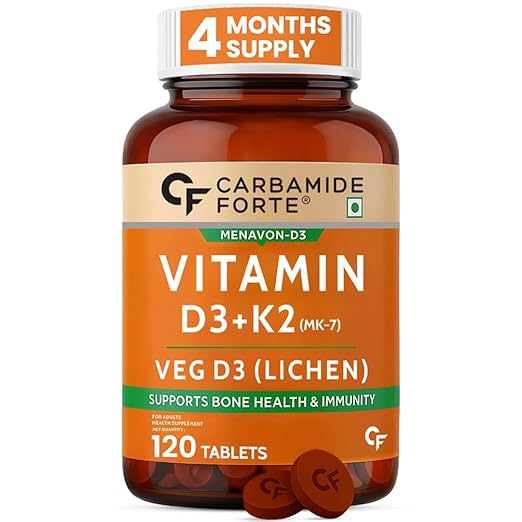
- Who needs it: Almost everyone in urban India
- When to take: Morning or afternoon with a meal containing fat
- How long to see results: Energy and mood: 4–6 weeks. Blood levels: 3 months
- Note: Get your Vitamin D levels tested before starting if possible — a simple blood test (25-OH Vitamin D) tells you exactly where you stand
Magnesium Glycinate — The Sleep Supplement That Actually Works
Magnesium is involved in over 300 enzymatic reactions in the body. It's also one of the most common nutritional deficiencies in India — depleted by stress, poor soil quality in mass-produced vegetables, and caffeine consumption (chai and coffee both increase magnesium excretion).
The form matters enormously here. Magnesium oxide — the cheapest and most common form — has very low absorption and primarily acts as a laxative. Magnesium glycinate is chelated (bound to the amino acid glycine), which dramatically improves absorption and adds a mild calming effect from the glycine itself. This is the form consistently used in sleep and anxiety research.
The effects most people notice first: deeper sleep, less waking in the night, reduced muscle tension and cramps, and a general reduction in that background low-level anxiety that most of us have normalised. Take it 30–45 minutes before bed.
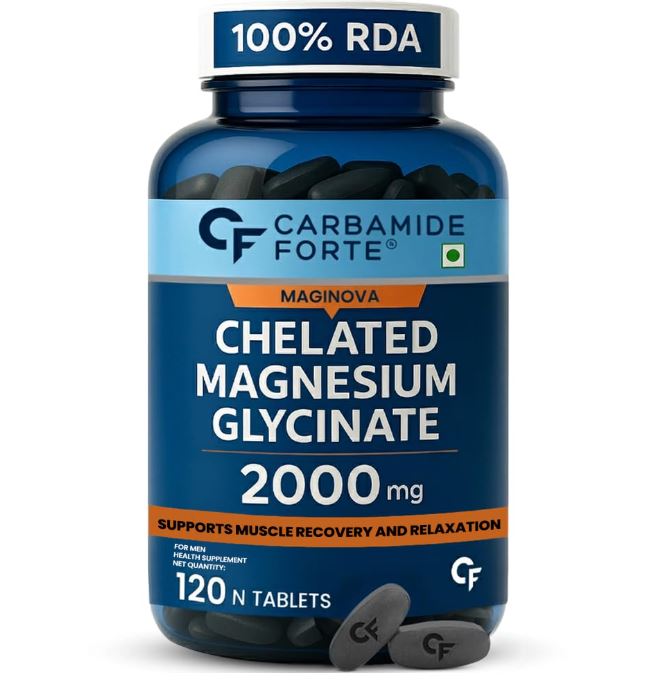
- Who needs it: Anyone with poor sleep, muscle tension, high stress, or frequent caffeine intake
- When to take: 30–45 minutes before bed
- How long to see results: Sleep quality: within 1–2 weeks. Muscle tension: 2–3 weeks
- Dosage: Start with 200mg and work up to 400mg — too much too fast can cause loose stools even with glycinate
Skip These — The Hype List
❌ Collagen Supplements
Your digestive system breaks collagen into amino acids before it reaches your skin. There is no reliable evidence that oral collagen supplements improve skin appearance. Eat adequate protein instead — same amino acids, far cheaper.
❌ Detox Teas and Liver Cleanse Supplements
Your liver detoxes your body. It does not need tea, charcoal, or a supplement to do so. There is no clinical evidence for any "detox" supplement. The category exists purely as a marketing concept.
❌ Biotin for Hair Growth
Biotin supplementation only helps with hair loss if you are biotin deficient — which is rare in people eating a normal diet. The before/after transformation photos attached to biotin marketing are not evidence. If you're experiencing significant hair loss, see a dermatologist; the cause is almost never biotin deficiency.
❌ Most "Immunity Booster" Supplements
Vitamin C at very high doses, zinc lozenges during illness, and a few others have modest evidence. Most products marketed as "immunity boosters" have no clinical backing. Sleep, exercise, and Vitamin D will do more for your immune system than any supplement in this category.
The Practical Starting Point
If you're going to add any supplements, start with these two in this order. D3+K2 first — it addresses the most common deficiency in India and the effects are wide-ranging. Magnesium glycinate second — if you have sleep issues, stress, or muscle tension, this is the highest evidence-to-cost ratio supplement available.
Combined monthly cost: under ₹1,500. Combined evidence base: decades of peer-reviewed research. Everything else can wait until you've been consistent with these two for 3 months.
The Short Version
D3 + K2 — most urban Indians are deficient and don't know it. Take daily with food.
Magnesium Glycinate — not magnesium oxide. Take before bed. Your sleep will thank you within two weeks.
Everything else: research it before you buy it. If the evidence comes from the brand selling it, that's not evidence.
Frequently Asked Questions
Can I take D3 and magnesium together?
Yes — they work well together and there are no negative interactions. Many people take D3 in the morning with breakfast and magnesium at night before bed, which is a sensible split.
How do I know if I'm Vitamin D deficient?
A 25-OH Vitamin D blood test is the standard way to check. It costs ₹400–800 at most diagnostic labs in India. Normal levels are 30–100 ng/mL — most urban Indians test between 10–20 ng/mL without supplementation.
Will magnesium make me drowsy during the day?
Not if taken at night. Magnesium glycinate improves sleep quality rather than causing sedation — you wake up feeling more rested, not groggy. Taking it during the day at high doses may cause some people to feel relaxed, which is why bedtime dosing is recommended.
Are Indian supplement brands reliable?
Quality varies significantly. Carbamide Forte is one of the more trustworthy Indian brands — they publish third-party testing results and their Amazon reviews are consistently verified. Always check for FSSAI registration on any Indian supplement and look for brands that are transparent about their testing.