MAKEUP
15 Hidden Pore-Clogging Ingredients in Your Foundation & Concealer (The Easy Blacklist)
Just because a foundation says 'dermatologist tested' does not mean it won't break you out. Here is the friendly, simple checklist of ingredients to avoid in your everyday vanity.
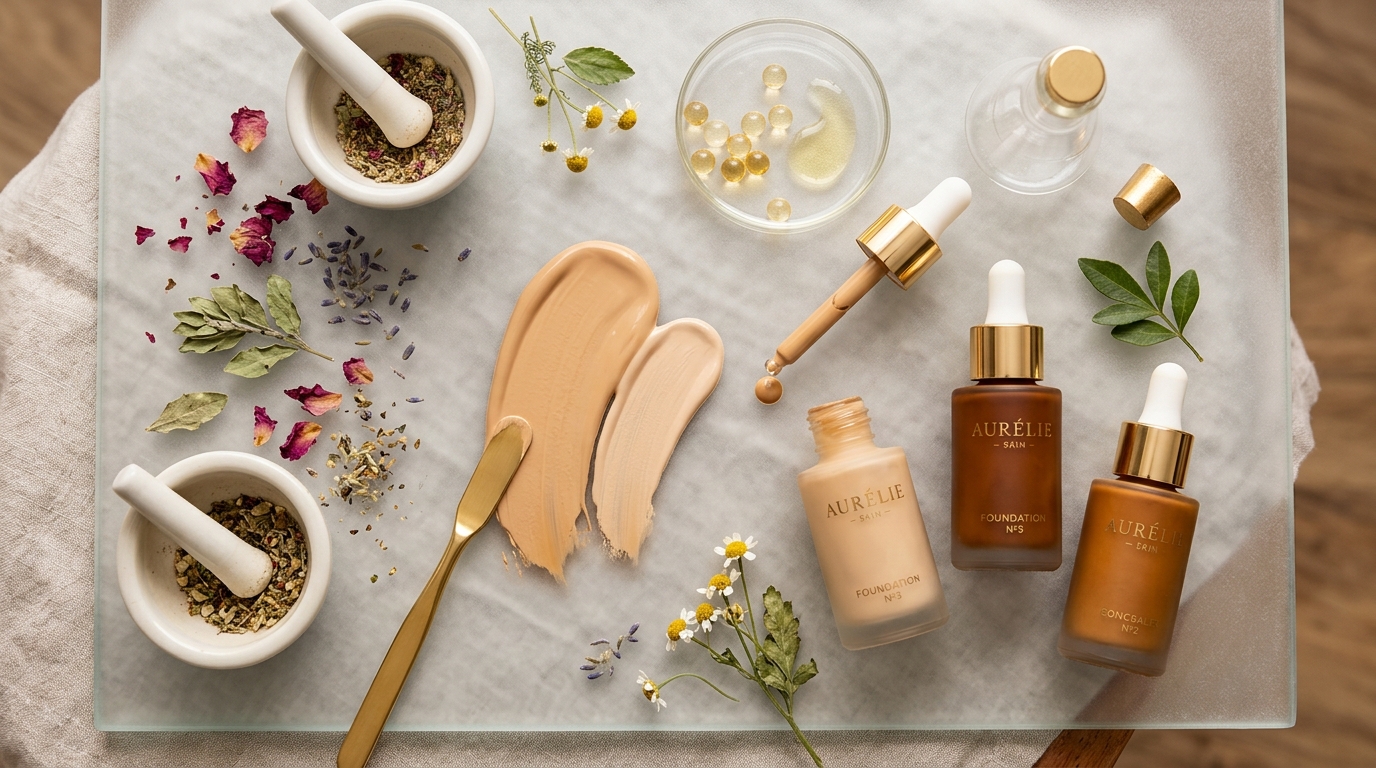
The Big Myth Behind 'Dermatologist Tested' Labels
Walk through any beauty aisle or scroll your favorite shopping app, and nearly every bottle promises to be 'clean', 'gentle', or 'dermatologist approved'. Yet so many of us still wake up with sore bumps along our cheeks and jawline after wearing base makeup.
Here is the truth: terms like 'dermatologist tested' or 'non-comedogenic' are mostly marketing terms. There is no official law or standard test a brand has to pass to put that word on a box.
To keep your skin happy, you don't need a chemistry degree—you just need to know which heavy oils and waxy fillers to watch out for on the back of the bottle.
The Top Culprits: Heavy Oils and Waxes That Trap Gunk
When scanning an ingredients list, look out for these heavy hitters that tend to turn pore sebum into thick glue in humid weather:
• Isopropyl Myristate & Isostearate: Made to give makeup a silky slip, but notorious for causing little clusters of bumps within 48 hours.
• Ethylhexyl Palmitate: A thick palm-derived oil often used in budget creams. Under sweat, it solidifies right at the mouth of your pores.
• Coconut Oil & Coconut Alkanes: Wonderful for hair or dry body elbows, but way too suffocating for acne-prone faces.
• Cocoa Butter & Wheat Germ Oil: Rich and heavy, they starve your pores of oxygen so acne bacteria thrive.
• Bismuth Oxychloride: A pearlescent shimmer powder with sharp microscopic crystals that can make your skin itch and sting when you sweat.
What to Pick Instead: Breathable, Featherlight Makeup
Instead of thick waxes, look for bases formulated with lightweight silica, water, and breathable polymers. They stay on the surface of your skin to even out your tone without sinking into your pores.
For daily spot coverage that feels weightless, Swiss Beauty Liquid Lightweight Concealer is an easy, wallet-friendly favorite that blends like silk without caking.
To set your T-zone against humidity without adding heavy layers, dust a light veil of Maybelline Fit Me Matte + Poreless Compact Powder. It uses micro-fine mineral perlite to soak up grease and keep your face fresh for hours.


Prep Smart: Keep Oil in Check Under Your Makeup
The best way to make your makeup look airbrushed—and prevent breakouts—is giving your skin the right hydration before you start.
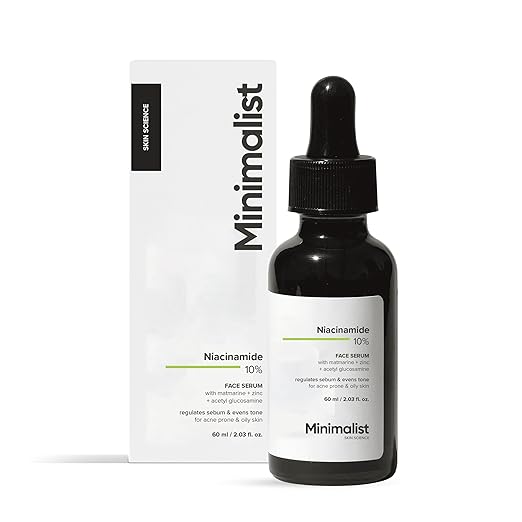
If your forehead and nose get shiny by lunchtime, smooth a couple of drops of Minimalist 10% Niacinamide + Zinc Serum after washing your face. Niacinamide helps balance your skin's oil production, so makeup doesn't slide around.
Follow it with CeraVe Oil Control Gel Cream. It gives your skin a light, refreshing cushion of moisture that absorbs in seconds, leaving a soft matte canvas that keeps your makeup looking smooth all day.
User Safety Note: Whenever you introduce a new foundation, concealer, or active serum to your vanity, do a small 24-hour patch test behind your ear or along your lower jawline to confirm your skin loves the formula before full-day wear.

Frequently Asked Questions
Does 'dermatologist tested' guarantee a foundation won't clog pores?
No. 'Dermatologist tested' and 'non-comedogenic' are unregulated marketing claims with no standardized legal definition. Always check the actual INCI ingredients list on the packaging for heavy synthetic esters and waxy thickeners.
Are silicones like Dimethicone safe for acne-prone skin?
Yes. Cosmetic-grade silicones like Dimethicone and Silica are rated 0/5 on the comedogenicity scale. Their molecular size is too large to enter human pores, forming a breathable, porous grid that lets sweat evaporate.
Why are natural oils like coconut oil risky in facial makeup?
Coconut oil, cocoa butter, and wheat germ oil are high in dense saturated fatty acids that solidify at skin temperature, making them highly comedogenic (rated 4/5 to 5/5) for facial pores in humid weather.
How can I test a new foundation before wearing it on my whole face?
Patch test a dime-sized amount along your lower jawline or side of the neck for 3 consecutive days. Check for flesh-colored bumps or redness before applying all over.
Editorial Note
Mirha & Co. reviews skincare using ingredient analysis, formulation pH compatibility, and regional tap water hardness data. Simple guides for educational purposes—always patch test new products on your skin.