SKINCARE
The La Mer Myth: What You're Actually Paying For (And the Exact Dupes That Work)
La Mer costs ₹28,750 for 60ml. It is, by revenue, one of the most successful skincare products ever made. It is also, by ingredient analysis, one of the most overpriced products on the market. We break down the formula and look at the exact dupes that work.
What La Mer Actually Contains
La Mer's hero product — Crème de la Mer — is built around their proprietary "Miracle Broth™," a fermented sea kelp extract developed by aerospace physicist Dr. Max Huber following a lab accident. The mythology is compelling. The formulation is… more ordinary than the mythology suggests.
Breaking down the actual ingredient function:
Sea kelp / algae extract (Miracle Broth): An antioxidant and hydration ingredient. Algae extracts are widely used in skincare at all price points — they hydrate, provide trace minerals, and have some antioxidant activity. There is no peer-reviewed clinical evidence that La Mer's specific fermented kelp extract outperforms other quality algae or marine ingredients.
Mineral Oil: A primary ingredient in Crème de la Mer. Mineral oil is an effective occlusive — it seals moisture into skin. It's also found in Vaseline and countless drugstore moisturisers.
Glycerin: A humectant that draws moisture into the skin. Used in virtually every moisturiser at every price point.
Beeswax and Carnauba Wax: Texture and barrier ingredients. Common in lip balms, body creams, and budget formulations.
Lime extract: Antioxidant. Fine ingredient. Not exclusive to luxury skincare.
What Crème de la Mer does not contain: retinoids, niacinamide, proven peptides, hyaluronic acid, Vitamin C, or any clinically proven anti-ageing actives at meaningful concentrations. It is, in clinical terms, a rich moisturiser with good occlusive properties and a branded marketing story.
What You're Actually Paying For
The ₹28,750 price tag on La Mer breaks down roughly like this:
- Ingredients: ~₹665–₹1,250 (the formulation is not cheap to produce, but ingredient cost does not justify the markup)
- Packaging: ~₹1,665–₹2,500 (the jar is heavy glass, premium feeling)
- Brand heritage + marketing: ~₹16,665–₹23,335 (Lauder Group's advertising spend on La Mer is enormous)
- Retail margin + distribution: ~₹2,500–₹4,165
You are paying ₹16,665+ for the brand story. That is not inherently wrong — you may value the experience, the gifting occasion, the status signal. But if you are buying La Mer because you believe it will do something clinically superior to its alternatives, the evidence does not support that belief.
The Exact Dupes by Function
Rather than one "La Mer dupe," here are targeted alternatives based on what you're actually trying to achieve:
If You Want Rich Barrier Repair and Intense Moisture
La Mer does this. A heavy occlusive with algae hydration. Good for dry, damaged, or sensitised skin.
Budget alternative (under ₹1,665):
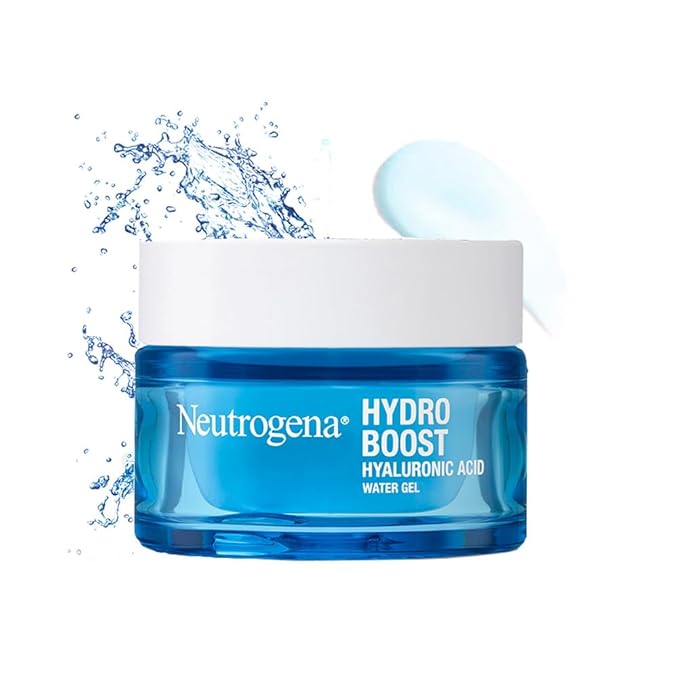
Neutrogena Hydro Boost Water Gel — hyaluronic acid-based, delivers superior hydration with a clinically proven ingredient (hyaluronic acid) at a far higher concentration than La Mer's glycerin. Lighter texture, better for oily skin.
Mid-range alternative (~₹2,500–₹4,165):
First Aid Beauty Ultra Repair Cream — colloidal oatmeal + shea butter, excellent for dry/sensitive skin. Dermatologist-recommended, comparable occlusive benefit.
Near-equivalent (~₹4,165–₹6,665):
Dr. Jart+ Cicapair Tiger Grass Cream — centella asiatica + barrier lipids, comparable calming and barrier repair without the mythology markup.
If You Want "Glowing Skin" (La Mer's Secondary Marketing Promise)
What actually creates skin glow: exfoliation (cell turnover), Vitamin C (brightening), niacinamide (pore minimising + evening tone), and hydration. La Mer contains none of the first three in meaningful concentrations.
Best glow stack under ₹3,335 total:
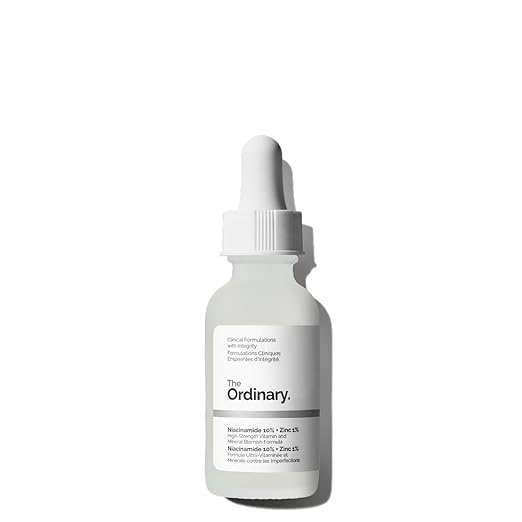
- The Ordinary Niacinamide 10% + Zinc 1% (~₹500–₹835) — pore refinement, oil control, even tone
- Neutrogena Hydro Boost Water Gel (~₹1,665) — hydration base
- Any SPF 50 (~₹835–₹1,665) — prevents the UV damage that kills glow faster than any serum can restore it
Total: ~₹3,000–₹4,165 for a glow stack that outperforms La Mer on active ingredient delivery.
If You Want Anti-Ageing (Collagen Support, Wrinkle Reduction)
La Mer does not do this effectively. It has no retinoids, no proven peptides at meaningful concentrations, and no Vitamin C.
What actually works for anti-ageing:
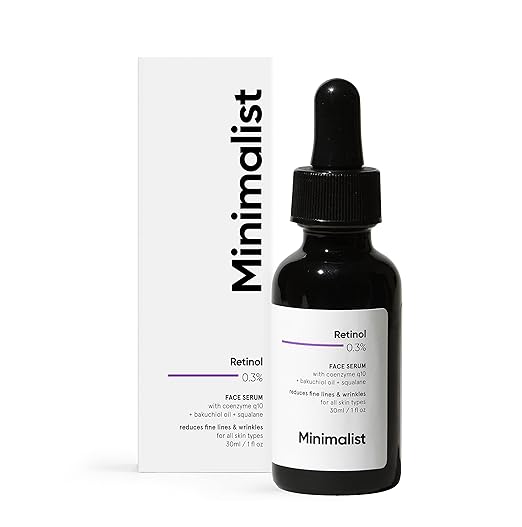
- Retinol 0.5% or Adapalene 0.1% — the most evidence-backed anti-ageing active available. The Ordinary Retinol 0.5%, Paula's Choice 1% Retinol, or Differin (OTC in the US) all outperform La Mer for this specific goal at ₹835–₹2,500.
- Vitamin C 15%+ serum — Timeless 20% C+E+Ferulic (~₹2,085) is widely regarded as equivalent to SkinCeuticals C E Ferulic (₹15,000+) and categorically outperforms La Mer for collagen protection.
- Peptide moisturiser — The Inkey List Peptide Moisturizer (~₹1,250), COSRX Advanced Snail 92 All-In-One Cream (~₹1,665). Both contain actual peptide concentrations.
If You Want a Luxury Skincare Experience Without the La Mer Markup
Some luxury products are genuinely worth the premium — better texture, better formulations, better active concentrations. La Mer is not typically in this category. These are:
- Tatcha The Water Cream (~₹5,665) — genuinely better formulation than La Mer for oily/combination skin, contains Japanese botanicals with antioxidant activity
- Drunk Elephant Protini Polypeptide Cream (~₹5,665) — multi-peptide formula with actual anti-ageing active delivery
- Paula's Choice RESIST Barrier Repair Moisturizer (~₹3,500) — clinical formulation, transparent about what each ingredient does and why
The Rule of Ingredient Transparency
The best way to evaluate whether any skincare product is worth its price: look up its full ingredient list and ask what each ingredient does. Products that cost their price in actives will have identifiable, evidence-backed ingredients at meaningful concentrations near the top of the list.
Products that cost their price in branding will have proprietary blends, vague "complex" names, and trademarked extract names that obscure ordinary ingredients.
La Mer's "Miracle Broth™" is the definition of the second category. That doesn't make it a bad moisturiser. It makes it a moderately effective moisturiser sold at a luxury price for non-clinical reasons.
The Full Dupe List at a Glance
| La Mer Goal | La Mer Price | Dupe | Dupe Price |
|---|---|---|---|
| Intense moisture / barrier repair | ₹28,750 | Neutrogena Hydro Boost Water Gel | ~₹1,665 |
| Rich cream for dry skin | ₹28,750 | First Aid Beauty Ultra Repair Cream | ~₹2,915 |
| Calming / redness | ₹28,750 | Dr. Jart+ Cicapair Tiger Grass | ~₹4,335 |
| Glow / even tone | ₹28,750 | Niacinamide 10% + Hydro Boost | ~₹2,500 |
| Anti-ageing | ₹28,750 | Retinol 0.5% + Vitamin C serum | ~₹2,915 |
| Luxury moisturiser experience | ₹28,750 | Drunk Elephant Protini | ~₹5,665 |
The Bottom Line
La Mer is not a scam. It is a competently formulated, pleasantly textured rich moisturiser with excellent marketing. If you love the experience, can afford it, and it makes your skin feel good — that's a valid reason to buy it.
But if you're buying it because you believe it will outperform clinical alternatives on skin outcomes — the ingredient analysis does not support that. The ₹25,000+ gap between La Mer and its functional equivalents is almost entirely brand equity.
Your skin doesn't know the difference. Spend the difference on something it can actually use.
Editorial Note
Mirha & Co. reviews skincare using ingredient analysis, formulation pH compatibility, and regional tap water hardness data. Simple guides for educational purposes—always patch test new products on your skin.