If your hair has progressively become drier, duller, and more prone to breakage since you moved cities — or since you started washing it more often — there's a high probability the water is the problem. Hard water is India's most underdiagnosed hair care issue, and almost no mainstream product range is formulated to address it.
Most hair fall guides focus on diet, stress, and hormones. These matter. But if you're doing everything right and still losing more hair than usual, the invisible culprit is almost certainly the mineral content of your tap water. This guide explains the chemistry, identifies the cities with the worst hard water profiles, and gives you a practical protocol with the specific products that actually chelate mineral buildup from Indian hair.
Very Hard (200–500+ mg/L): Delhi, Bengaluru, Chennai, Hyderabad, Jaipur, Ahmedabad — calcium and magnesium deposits form rapidly on hair and scalp.
Moderately Hard (100–200 mg/L): Mumbai (varies by zone), Pune, Kolkata, Chandigarh — buildup is slower but cumulative over months.
Relatively Soft (<100 mg/L): Parts of Assam, Kerala, northeast states — less mineral concern, but chlorine and iron from municipal treatment still affect hair.
What Hard Water Actually Does to Your Hair.
Hard water contains elevated concentrations of calcium (Ca²⁺) and magnesium (Mg²⁺) ions. When water evaporates off your hair after washing, these ions don't evaporate — they stay behind, bonding to the negatively charged surface of the hair strand. Over weeks and months, this mineral film builds up in layers on the hair shaft and inside the scalp's follicle openings.
The consequences are cumulative and progressively worse the longer the issue goes unaddressed:
- ✓Hair feels rough and straw-like even after conditioning. Mineral deposits raise the hair cuticle, creating friction between strands. No amount of conditioner repairs this because the conditioner itself can't penetrate the mineral coating.
- ✓Products stop working the way they used to. Serums, masks, and conditioners are blocked from reaching the hair cortex by the mineral film. If your hair care has become progressively less effective, buildup is likely why.
- ✓Persistent dullness that washing doesn't fix. Mineral deposits scatter light rather than reflecting it, which is why hard water hair looks flat regardless of how clean it is.
- ✓Increased hair fall and breakage at the mid-shaft. Calcium deposits make hair brittle by displacing moisture from within the strand. Breakage is different from root-level hair fall — if the hair snaps in the middle, not at the root, this is the profile.
- ✓Scalp itch and flakiness that returns quickly after washing. Calcium and magnesium interact with shampoo surfactants to form scum (the same film you see on shower tiles) that deposits on the scalp and clogs follicle openings.
A 2016 study published in the International Journal of Trichology conducted a controlled comparison of hair samples from women using hard water (252 mg/L) versus distilled water over 30 days. Hair treated with hard water showed a statistically significant decrease in tensile strength — the force required to break the hair strand — and significantly increased surface roughness under scanning electron microscopy. The authors concluded that hard water exposure is a clinically relevant contributor to hair breakage and mechanical damage in populations with high mineral water exposure.
Srinivasan G, et al. Int J Trichology. 2016;8(3):99–103.Chelating: The Only Thing That Actually Removes Mineral Buildup.
Regular shampoos — even premium, sulphate-free ones — are not designed to remove mineral deposits. Their surfactants are formulated to remove sebum, dirt, and product residue. Calcium and magnesium ions require a different mechanism entirely: chelation.
Chelating agents (from the Greek chele, meaning claw) work by binding to metal ions and lifting them off the hair surface, so they rinse away with water. The most effective chelating agents in hair care are EDTA (ethylenediaminetetraacetic acid)and its derivatives, citric acid, and gluconic acid. Look for these in the ingredient list of any shampoo marketed for hard water or clarifying use.
Most clarifying shampoos use higher concentrations of sulphates (SLS/SLES) to remove product buildup. These will strip oil and surface residue but will not chelate mineral ions bonded to the hair surface. If your shampoo doesn't specifically list EDTA, citric acid, or gluconic acid as ingredients, it is not chelating hard water minerals from your hair — regardless of what the label says.
Chelating shampoos should be used once a week for maintenance, or twice weekly if you're in Delhi, Bengaluru, Chennai, or Hyderabad (very hard water zones). They are strong — using them daily strips the hair of all protective coating. Pair every chelating wash with a protein or moisture-rich conditioner to restore what the chelating process removes alongside the minerals.
The Complete Hard Water Hair Protocol. All on Amazon India.
The protocol has four components: a chelating shampoo for mineral removal, a protein-based or bonding conditioner to repair damage, a scalp treatment to address follicle congestion, and a lightweight leave-in or serum to seal the cuticle between washes. None of these brands appear elsewhere on this site.
Step 1: The Chelating Shampoo. This is the foundation. Use it once or twice weekly. Let it sit on the scalp and lengths for 2–3 minutes before rinsing to allow the chelating agents to work. The rest of the week, use your regular shampoo.
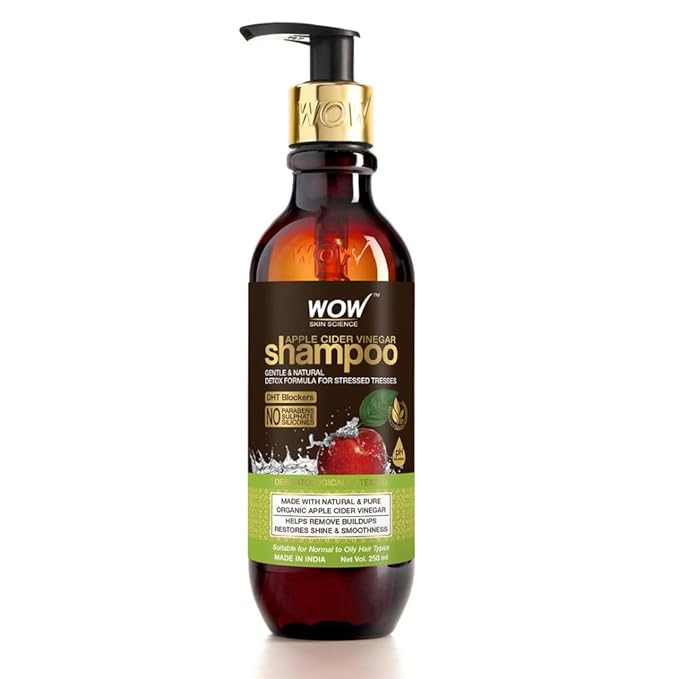
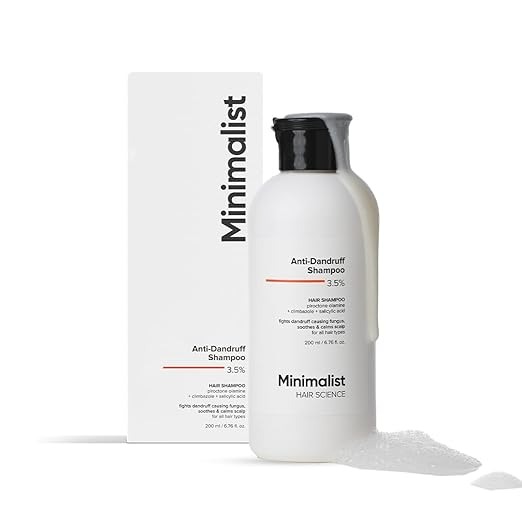
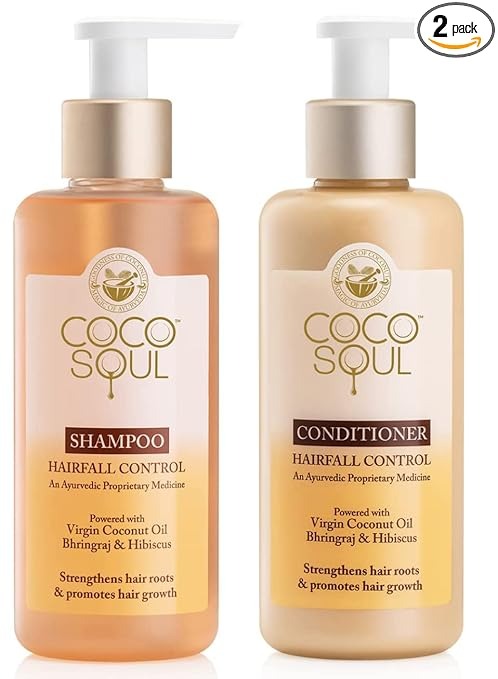
Step 2: The Repair Conditioner. After a chelating wash, the hair cuticle is fully open and briefly vulnerable. Apply a protein conditioner from mid-length to ends immediately. Do not skip this step — chelating without conditioning leaves hair drier than before you started.
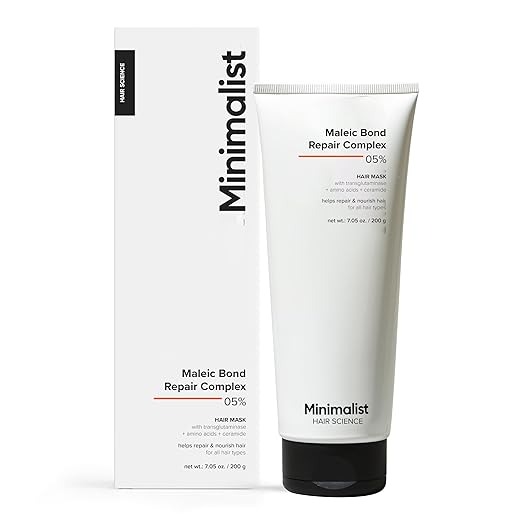
Step 3: The Scalp Treatment. Hard water deposits clog the follicle openings on the scalp, contributing to scalp itch, flakiness, and hair fall at the root. A weekly scalp serum with salicylic acid or zinc pyrithione clears this congestion. Apply to the scalp (not the lengths) 30 minutes before your chelating shampoo wash.
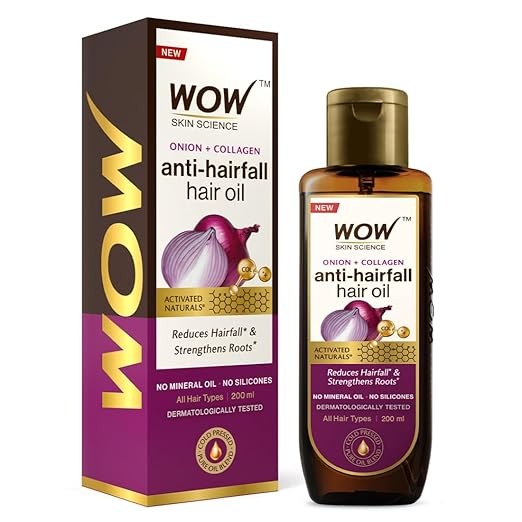
Step 4: The Cuticle Sealer. A lightweight, silicone-free hair serum or leave-in conditioner applied to damp hair after washing seals the cuticle and creates a barrier that reduces the speed of new mineral adhesion. This doesn't prevent buildup — only chelating does — but it slows the rate, meaning your chelating wash doesn't need to work as hard each time.
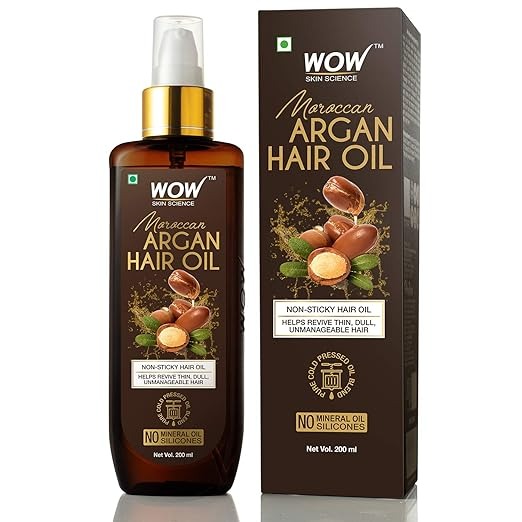
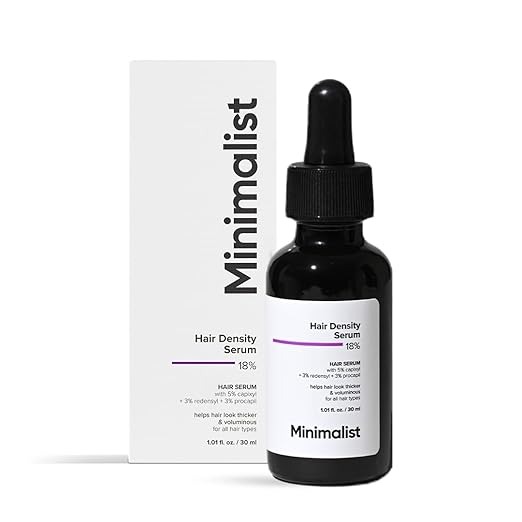
How to Structure the Whole Protocol.
Apple cider vinegar (diluted 1:10 in water) used as a post-wash rinse chelates mild mineral deposits through acidity and helps restore hair's natural pH of 4.5–5.5, which seals the cuticle. It's not a substitute for a proper chelating shampoo on its own, but used alongside your regular wash days it meaningfully slows mineral buildup. Pour over hair after conditioning, leave 2 minutes, rinse thoroughly.
What to Expect and When.
After 2–3 chelating washes: Hair feels noticeably lighter and softer. Products work better — conditioner actually absorbs rather than sitting on top. Shine returns. Scalp itch reduces.
After 4–6 weeks: Hair fall from mid-shaft breakage reduces as tensile strength improves. Root-level hair fall may persist if the underlying cause is nutritional, hormonal, or stress-related — chelating addresses mineral damage but not those factors.
After 3 months: Cumulative improvement in hair texture and density. At this point, you'll need to assess whether twice-weekly chelating is still necessary, or whether once-weekly maintenance is sufficient. Reassess based on how quickly dullness and roughness return between washes.
If hair fall is significant (more than 150–200 strands daily), root-level shedding rather than mid-shaft breakage, or accompanied by scalp inflammation, patchy loss, or itching that doesn't respond to the protocol above — consult a dermatologist. Alopecia areata, androgenetic alopecia, scalp psoriasis, and telogen effluvium all present as hair fall but require medical intervention, not a chelating shampoo. Hard water is one cause among many — this guide addresses the one most frequently missed, not all of them.
Fix the Water.
Fix the Hair.
The issue isn't what you're putting on your hair. It's what the water has been leaving behind. One chelating wash weekly and the right conditioner changes the situation within three washes.
This post contains affiliate links to Amazon India. Purchases made through these links earn Mirha & Co. a small commission at no extra cost to you. Product selection is based on ingredient science, clinical research, and verified Amazon India customer reviews. No products are gifted or sponsored.
About this guide
Curated by Mirha & Co.
We curate skincare products based on ingredient quality, real user reviews, and suitability for Indian skin and climate conditions. No paid placements — only products we genuinely believe are worth trying.
Affiliate links may earn us a commission at no extra cost to you.