SKINCARE
Fast Skincare Is the New Fast Fashion — And It's Destroying Your Skin Barrier
In 2015, skincare was three steps. Cleanser, moisturiser, SPF. Dermatologists were happy. Skin was fine. Then the internet happened. Now the average skincare consumer owns 11 products they don't need. Here's why fast skincare is ruining your skin.
What Fast Skincare Actually Is
Fast fashion works like this: trend is manufactured, product is produced cheaply, consumer buys impulsively, trend dies, consumer discards and buys the next one. The environmental and financial damage is real, but the personal harm is mostly to your wallet.
Fast skincare works the same way — except the product being discarded is your skin barrier.
The cycle:
- Ingredient goes viral (glycolic acid, retinol, salicylic acid, AHA/BHA, Vitamin C, niacinamide, tranexamic acid — all of these have had their "moment")
- Influencer content explodes — "this cleared my skin in 3 days"
- Consumer buys and starts using immediately, often combining multiple new actives at once
- Skin purges or reacts — redness, dryness, new breakouts
- New content says "your skin is purging, keep going" or "you need THIS to fix the reaction"
- Consumer buys again
At each step, someone is selling something. At each step, your skin barrier takes a hit.
What Your Skin Barrier Actually Does
Your skin barrier — technically the stratum corneum — is a layer of dead skin cells held together by lipids (fats). It does two things:
- Keeps moisture inside your skin
- Keeps irritants, bacteria, and environmental damage outside
When it's healthy, your skin feels comfortable, looks plump, and responds well to products. When it's damaged, everything hurts: products that used to be fine suddenly sting, moisturiser doesn't seem to absorb, skin swings between oily and flaky, and breakouts happen in patterns that don't make sense.
A healthy barrier takes about 28 days to regenerate from damage. If you're introducing a new active every two weeks — which is what fast skincare culture encourages — your barrier never recovers.
The Specific Things That Destroy It
Over-Exfoliation
Exfoliation removes dead skin cells. In moderate, appropriate amounts — once or twice a week with a gentle acid — this improves texture and glow. When done daily, or with multiple products simultaneously, it removes the cells your barrier needs to stay intact.
Signs you're over-exfoliating:
- Skin that feels tight or "squeaky clean" after washing (this is bad, not good)
- Redness that wasn't there before
- Products stinging that never used to
- Skin that's shiny but not in a glow way — more of a raw, thin look
- Breakouts in new locations, often small and clustered
The most common over-exfoliation culprits: using both a BHA toner AND a retinol AND a Vitamin C serum simultaneously, daily. This combination is extremely common in "routine reveal" content and genuinely damaging for most skin types.
Active Stacking Without Understanding Interactions
Some combinations are fine. Some are not:
Do not combine:
- Retinol + AHA/BHA (same routine) — too much cell turnover, barrier damage
- Vitamin C + Retinol (same routine) — pH incompatibility, irritation
- Multiple exfoliating acids simultaneously — double the stripping, no double benefit
- Niacinamide + pure Vitamin C (same step) — converts to niacin, can cause flushing
Fine to combine:
- Niacinamide + retinol (niacinamide actually reduces retinol irritation)
- Hyaluronic acid with anything
- SPF over everything, always
Most "10-step routine" content mixes incompatible actives in the same routine because it's more visually interesting. More bottles = more content. Your skin doesn't benefit from more bottles.
Chasing the Purge
"Purging" — the initial breakout period when your skin cell turnover speeds up in response to a retinoid — is real. It lasts 4–6 weeks and is limited to areas where you normally break out.
What is not purging: a full-face reaction, redness, peeling, stinging, or new breakouts in areas that don't normally break out. These are reactions. They mean stop, not continue.
The "keep going, it's just purging" advice that circulates in skincare communities causes real, sustained barrier damage when applied to reactions that are not purges.
The Rebuild Protocol — How to Fix a Damaged Barrier
If you recognise your skin in the above, here is the protocol:
Step 1: Stop everything active for 2–4 weeks.
No retinol. No acids. No Vitamin C. No exfoliants. Just cleanser, moisturiser, and SPF. This is genuinely difficult psychologically if you've built a skincare habit, but it is the only way to let your barrier regenerate.
Step 2: Use barrier repair products only.
Look for: ceramides, fatty acids, cholesterol (these are the three components of your natural barrier lipids), niacinamide, and panthenol. Avoid fragrance, alcohol, and essential oils during this phase.
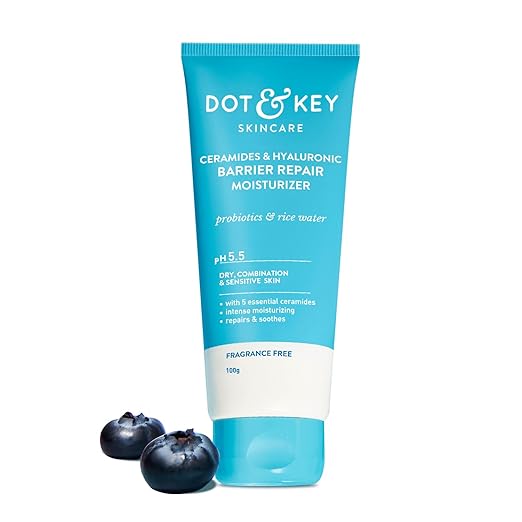
The Dot & Key Barrier Repair Ceramides Moisturizer is one of the better accessible options for this phase — it contains all three barrier lipids without unnecessary actives, fragrance, or irritants that would set back recovery.
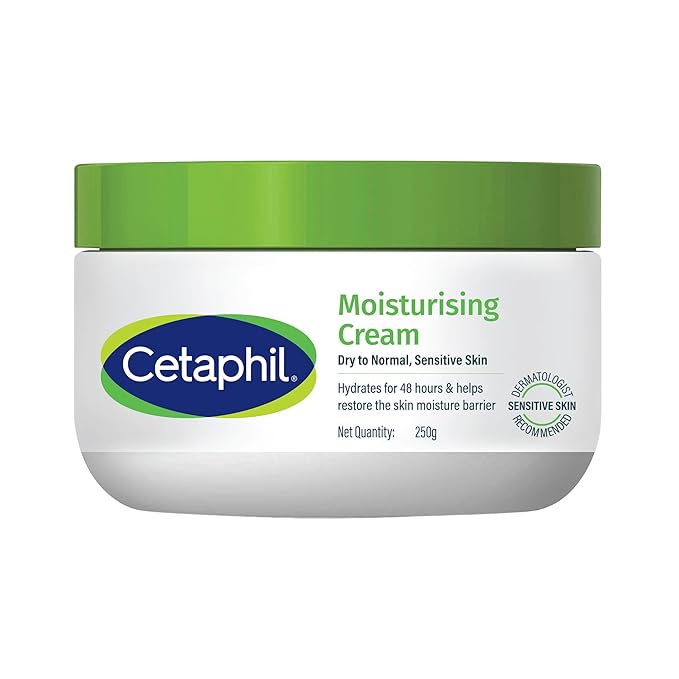
CeraVe Moisturising Cream is the global benchmark — widely available, unfragranced, ceramide-heavy, and cheap.
Step 3: Reintroduce one active at a time, slowly.
After 4 weeks, add back one product. Use it for 2 weeks before adding anything else. If your skin reacts, that's the culprit. If it doesn't, add the next one.
This is the opposite of how influencer skincare is sold — and it's the only method that actually works.
What a Healthy Routine Actually Looks Like
Morning:
- Gentle cleanser
- Niacinamide serum (optional — one active is enough)
- Moisturiser
- SPF 50
Evening:
- Gentle cleanser
- Retinol OR BHA exfoliant (alternate nights, not both)
- Moisturiser
That's it. Four products in the morning, three at night. One active, used on alternate nights. No stacking. No layering three acids. No 11-product shelfie.
The most effective skincare routines are boring. They don't make good content. That's exactly why you don't see them.
Products Worth Buying for Barrier Repair
- CeraVe Moisturising Cream — ceramide-heavy, unfragranced, the global benchmark for barrier repair
- Dot & Key Barrier Repair Ceramides Moisturizer — well-formulated, good ceramide profile, widely available
- La Roche-Posay Cicaplast Baume B5 — for acute barrier damage and redness, one of the most dermatologist-recommended repair products globally
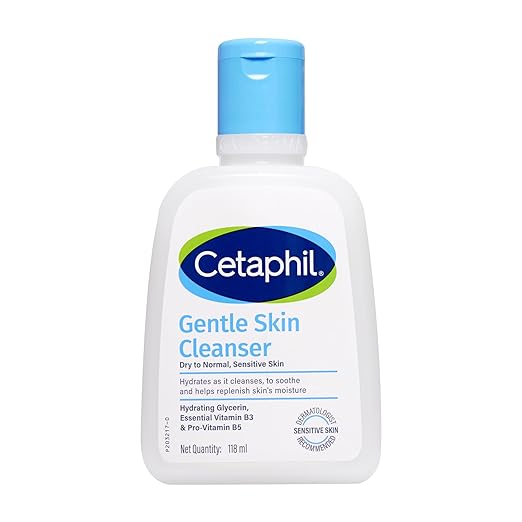
- Vanicream Gentle Facial Cleanser — the gentlest face wash on the market, useful during the reset phase
- The Inkey List Oat Cleansing Balm — soothing, barrier-friendly oil cleanser for damaged skin
The Real Counter-Intuitive Truth
More products don't give you better skin. Consistency with fewer, better-chosen products does.
The skincare industry profits from your confusion. Every reaction you have to a new product is potential demand for another product. Fast skincare is structured exactly like fast fashion — to keep you buying, not to keep you satisfied.
The exit from the cycle is simpler than the industry wants you to believe: a gentle cleanser, a barrier moisturiser, an SPF, and one active you understand. Used consistently. For months.
That's it. That's the routine that works.
Editorial Note
Mirha & Co. reviews skincare using ingredient analysis, formulation pH compatibility, and regional tap water hardness data. Simple guides for educational purposes—always patch test new products on your skin.
Further Reading
Why Am I Suddenly Breaking Out? 5 Simple Things Secretly Ruining Your Skin
SKINCARE · 6 minDoes Your Face Feel Tight & Stretchy After Rinsing? It’s Not Your Face Wash
SKINCARE · 6 minAir Conditioning Skin Syndrome: Why Indoor AC Silently Wrecks Your Moisture Barrier (And How to Fix It)
SKINCARE · 7 min