WELLNESS
The "Dopamine Skin" Protocol: How Your Screen Is Aging You at Night
You already know late-night scrolling is bad for your sleep. What you probably don't know is that it's also quietly accelerating skin ageing — through a mechanism most skincare brands don't want to talk about.
What Blue Light Actually Does to Skin
Blue light (wavelength 400–495nm) is emitted by phone screens, laptop displays, LED lights, and the sun. The sun produces significantly more blue light than your devices — but the difference is duration and proximity. You hold your phone 12 inches from your face for hours at a time, often in otherwise dark rooms that amplify the relative exposure.
The documented effects of blue light on skin:
1. Free radical generation
Blue light triggers reactive oxygen species (ROS) — free radicals — in skin cells. Free radicals damage collagen, lipids, and DNA within skin cells. This is the same mechanism through which UV causes photoageing, just at a lower intensity and without the burning. The damage is cumulative and doesn't produce an obvious warning signal.
2. Hyperpigmentation — specifically in darker skin tones
This is the most clinically documented concern. Studies have shown that blue light stimulates melanin production, and does so more significantly in Fitzpatrick III–VI skin types (olive, brown, and darker skin). If you have medium to darker skin and deal with persistent hyperpigmentation that doesn't fully resolve — blue light exposure is a contributing factor most advice doesn't account for.
3. Circadian disruption — the nocturnal repair problem
This is the bigger, slower mechanism that most people miss entirely.
Your skin has its own circadian rhythm — a biological clock that governs when it repairs vs. when it defends. During the day, your skin is in "defence mode": sebum production is higher, antioxidant activity is active, and the barrier is reinforced against UV and pollution. At night, your skin shifts to "repair mode": cell turnover accelerates, collagen synthesis peaks, and the barrier rebuilds itself.
This transition is triggered by melatonin — the same hormone that signals sleep. When blue light from your screen suppresses melatonin production at night, it doesn't just delay sleep. It delays or blunts your skin's shift into repair mode. The cellular repair processes that should be running at 11pm–2am are still stuck in daytime defence mode because your brain thinks it's still daytime.
The result: slower skin renewal, reduced collagen synthesis overnight, and a barrier that doesn't fully rebuild before morning.
Chronically — over months and years — this looks like: dullness that doesn't respond to products, persistent fine lines, and the sense that your skin "doesn't recover" from stress as well as it used to.
The Dopamine Loop Connection
There's a reason this matters more now than it did ten years ago: the dopamine loop.
Social media platforms are architecturally designed to keep you scrolling through variable reward — the same neurological mechanism as a slot machine. You're not staying up until 2am because you're not tired. You're staying up because the scroll is unpredictable and your dopamine system hasn't released the tension yet.
The term "Dopamine Skin" captures this feedback loop: dopamine-driven late-night screen use → blue light + sleep disruption → impaired skin repair → dull, stressed-looking skin → buying more skincare products to compensate → continuing the cycle.
The skincare industry benefits from this cycle. The apps perpetuating it do too. The only party that doesn't is your skin.
The Protocol: How to Break the Cycle
This is not a "no screens after 6pm" lecture. It's a practical framework for people who will realistically be on screens in the evening and want to minimise the skin impact.
Step 1: Blue Light Filtering After Sunset
On your devices: Enable Night Shift (iOS), Night Mode (Android), or f.lux (desktop) from sunset onwards. These shift the display from blue-heavy to warmer amber tones, reducing the melatonin-suppressing wavelengths. It's not complete protection but it's meaningfully better than unfiltered screens.
Glasses: Blue light blocking glasses work — with a caveat. Cheap clear-lens versions offer minimal actual blue light filtering. Amber or orange-tinted lenses (brands like Swanwick, Felix Gray, or Uvex) block meaningfully more blue light. Useful if you're working late on screens regularly.
Step 2: The Antioxidant Shield — Apply Before Screen Time
Antioxidants neutralise free radicals before they cause damage. This is well-established for UV — applying Vitamin C before sun exposure reduces UV-induced free radical damage. The same logic applies to blue light.
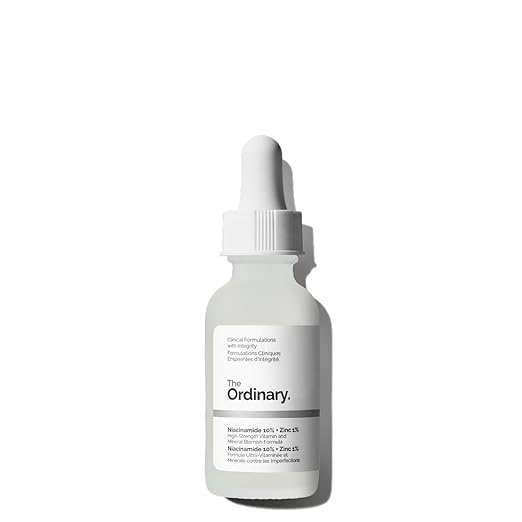
Niacinamide 10% applied in your PM routine addresses this from multiple angles: antioxidant activity, barrier reinforcement, and melanin regulation (directly relevant to blue-light-triggered pigmentation in darker skin).
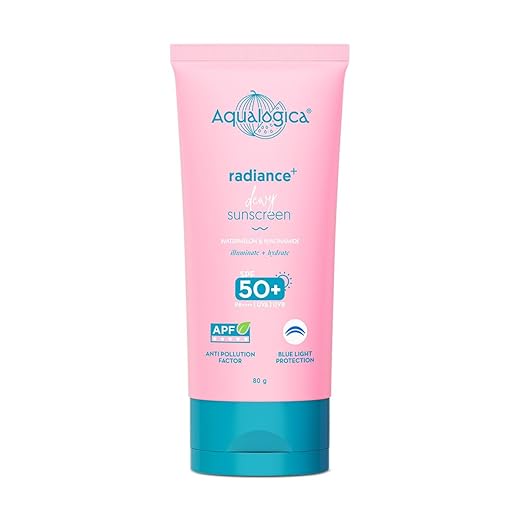
Aqualogica Radiance+ Dewy Sunscreen contains antioxidants designed for daily use and works as a daytime shield against both UV and blue light. For evening use, layering niacinamide under your moisturiser is the practical equivalent.
Vitamin C serum (morning) — morning application primes your skin's antioxidant defences before peak blue light and UV exposure. Timeless or The Ordinary Vitamin C work well here.
Step 3: Support Nocturnal Skin Repair — The PM Routine
If your screen use is disrupting your skin's circadian repair window, you compensate by making your PM routine work harder during whatever genuine repair window remains:
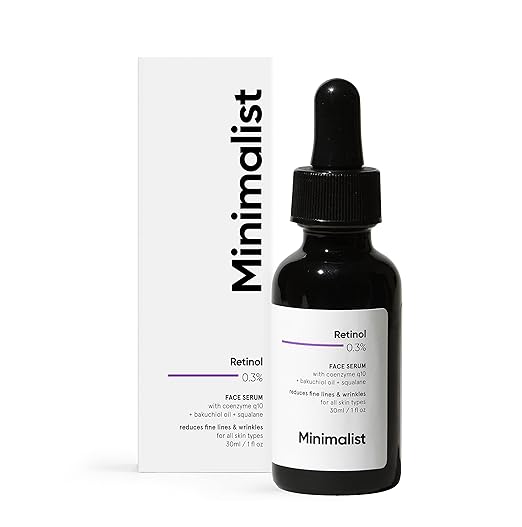
Retinol or Retinaldehyde (2–3x per week):
Retinoids directly stimulate cell turnover and collagen synthesis — amplifying the processes that blue light disruption slows down. Apply after cleansing on non-consecutive nights.
Peptide moisturiser overnight:
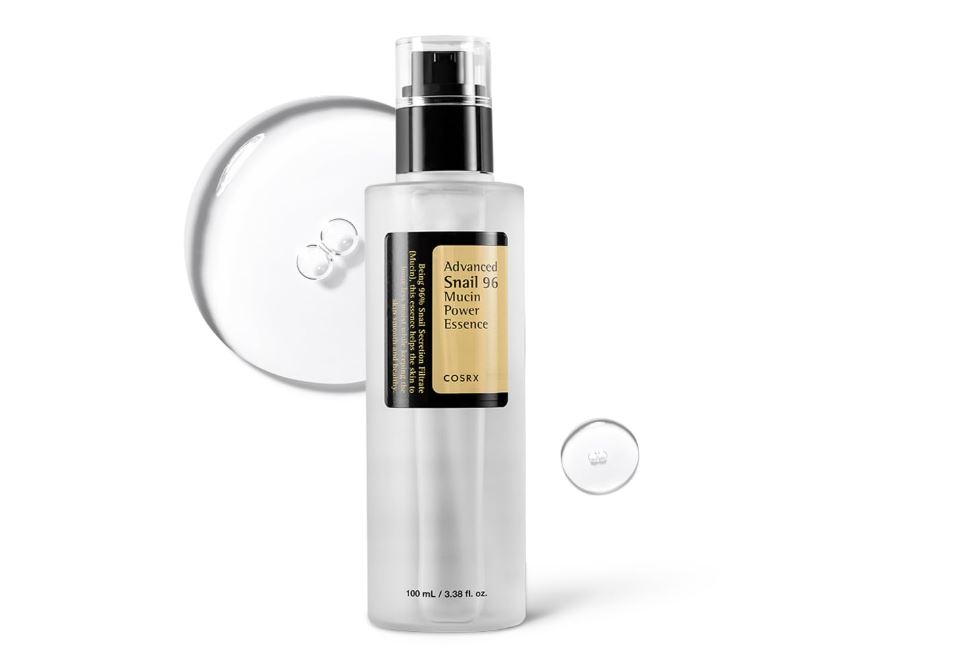
Peptides signal skin cells to produce collagen. Applied at night, they support the repair processes that screen time disrupts. The Inkey List Peptide Moisturizer or COSRX Advanced Snail 92 are accessible options.
Overnight mask (1–2x per week):
Occlusive overnight masks (Laneige Water Sleeping Mask, Glow Recipe Watermelon Sleeping Mask) lock in the treatment products you've applied and seal the barrier during sleep — supporting the nocturnal repair cycle even when it's been partially blunted.
Step 4: The 20-Minute Wind-Down Window
The most impactful non-product intervention: 20 minutes screen-free before sleep.
This is the minimum time for melatonin to begin rising after blue light exposure stops. You don't need an hour. You need 20 minutes. A book, a podcast, a conversation — anything that isn't a screen.
This single habit meaningfully improves the quality and completeness of your skin's nocturnal repair cycle more than any overnight product can.
The Full Evening Protocol for "Dopamine Skin" Recovery
8–9pm onwards:
- Enable Night Shift / Night Mode on all screens
- Apply niacinamide serum if not applied in AM
Before bed:
- Double cleanse (or single cleanse if no SPF/makeup worn)
- Niacinamide serum or retinol (alternate nights)
- Peptide moisturiser
- Overnight mask (2x per week)
20 minutes before sleep:
- Screens off or switched to book/podcast
- Dim ambient lighting (warm tones)
Products Referenced
- Aqualogica Radiance+ Dewy Sunscreen — antioxidant-rich daily SPF for blue light + UV defence
- The Ordinary Niacinamide 10% + Zinc 1% — evening antioxidant + pigmentation control
- The Inkey List Peptide Moisturizer — overnight collagen-support, accessible price point
- COSRX Advanced Snail 92 All-In-One Cream — repair + barrier support overnight
- Laneige Water Sleeping Mask — occlusive overnight treatment, widely available globally
- Paula's Choice 1% Retinol Treatment — PM retinol for cell turnover support
The Honest Bottom Line
Blue light from screens is a real but overstated skin threat when taken in isolation. The more significant mechanism is what it does to your skin's circadian repair biology — disrupting the nocturnal window when your skin does most of its meaningful work.
The fix is partly products (antioxidants, retinoids, overnight repair actives) and partly behavioural (20 minutes screen-free before sleep, blue light filtering in the evening). Neither alone is enough. Both together are meaningfully protective.
Your phone is not destroying your skin overnight. But used the same way, every night, for years — it is quietly shifting the baseline.
Editorial Note
Mirha & Co. reviews skincare using ingredient analysis, formulation pH compatibility, and regional tap water hardness data. Simple guides for educational purposes—always patch test new products on your skin.