SKINCARE
London vs New York vs Mumbai vs Bangkok vs Dubai: Which City Is Aging Your Skin the Fastest?
Where you live is doing things to your skin that no serum can fully undo. UV radiation, particulate matter, humidity, hard water, extreme cold, extreme heat — your city has a specific skin signature. We compare the skincare impact of major world cities.
How We're Measuring "Skin Aging by City"
Five environmental factors, each with documented effects on skin ageing:
- UV Index (annual average) — drives photoageing, hyperpigmentation, collagen breakdown
- Air Quality Index / PM2.5 (particulate matter) — penetrates pores, generates free radicals, accelerates wrinkle formation and dullness
- Water Hardness — mineral deposits disrupt skin barrier, cause dryness and sensitivity
- Humidity — extremes in both directions damage skin (high humidity = fungal acne, congestion; low humidity = dehydration, barrier damage)
- Temperature Swings — dramatic seasonal shifts between cold and heat cause barrier instability
Let's go city by city.
🇦🇪 Dubai — The Harshest Environment for Skin on This List
UV Index (annual average): 8–11 (extreme)
PM2.5: Moderate-High (desert dust + traffic)
Water: Desalinated — low mineral content but heavily treated, often causes sensitivity
Humidity: 60–90% in summer, 30–50% in winter
Temperature swings: Mild in winter, extreme (45°C+) in summer
Verdict: Dubai wins — in the worst way possible. The UV exposure alone is enough to accelerate photoageing faster than anywhere else on this list. The combination of extreme UV, desert dust particulates, and chemically treated desalinated water creates a triple threat that most residents underestimate because the sun "feels the same" every day.
The insidious part: Dubai's indoor culture (everyone moves between air-conditioned cars and buildings) means people assume they're protected from UV. They're not. UVA passes through car windows and building glass. If you live in Dubai and aren't wearing SPF 50 every single day, you are accumulating UV damage faster than almost anywhere in the world.
What Dubai skin needs most:
- SPF 50+ broad-spectrum, reapplied midday if outdoors
- A barrier-supporting moisturiser (desalinated water and AC strip moisture aggressively)
- Antioxidant serum (Vitamin C or niacinamide) to counter free radical load from UV + particulates
- A humidifier in your bedroom — Dubai's indoor environments are extremely dry
🇮🇳 Mumbai — Humidity and Pollution Combined
UV Index (annual average): 6–9
PM2.5: High (coastal city with industrial + traffic pollution)
Water: Hard (Mumbai municipal water has significant mineral content)
Humidity: 75–95% during monsoon (June–September), 60–75% rest of year
Temperature swings: Moderate — warm year-round, dramatic humidity shift during monsoon
Verdict: Mumbai doesn't have Dubai's UV extremes, but the combination of persistent high humidity and air pollution creates a uniquely damaging environment. High humidity keeps pores constantly congested — sweat mixes with pollution and sits on the skin. This is the primary driver of what Mumbai residents describe as "my skin never clears up" despite consistent skincare.
Mumbai's specific problem: most skincare products formulated for temperate or dry climates don't work here. Heavy moisturisers congest pores in 90% humidity. Oil-based cleansers can leave residue. Western SPF formulas often pill or sweat off before they've done their job.
The city's high pollution also means free radical load is constant — antioxidant protection isn't optional here, it's infrastructure.
What Mumbai skin needs most:
- Lightweight, gel-based everything — especially moisturiser and SPF
- Double cleansing at night to clear pollution + sunscreen residue properly
- Niacinamide daily for oil control and barrier support in humidity
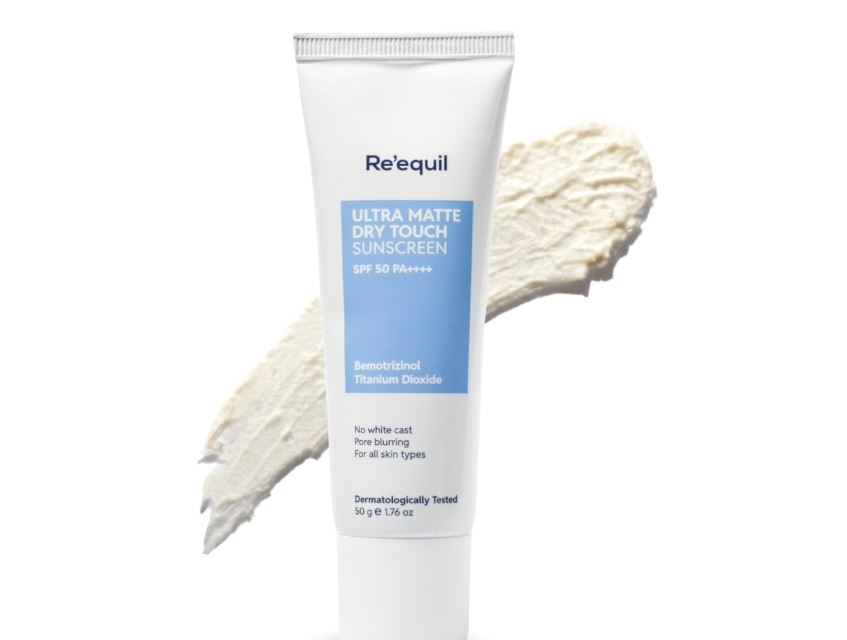
- Re'equil or Aqualogica-type matte SPF that doesn't sweat off
- BHA (salicylic acid) exfoliation 2x per week for congestion control
🇹🇭 Bangkok — High UV, High Humidity, Underrated Damage
UV Index (annual average): 9–12 (very high to extreme)
PM2.5: High — significant traffic and seasonal burning (especially January–April)
Water: Moderately hard, often chlorinated
Humidity: 70–85% year-round
Temperature swings: Minimal — tropical, consistently hot
Verdict: Bangkok is underrated as a skin-aging city because it doesn't have a dramatic "bad season" — the damage is consistent and year-round. A UV index of 9–12 with 80% humidity every day means sunscreen breaks down faster (sweat), pollution sits in pores constantly, and most people vastly underestimate how much UV exposure they're accumulating by just commuting, eating outside, or sitting near windows.
Bangkok also has a seasonal air quality crisis (January–April) when agricultural burning dramatically spikes PM2.5 — during this period, pollution-driven skin dullness and sensitivity spikes noticeably in residents who don't adapt their routine.
What Bangkok skin needs most:
- SPF 50+ PA++++ reapplied every 2 hours outdoors — this is non-negotiable at Bangkok UV levels
- Water-resistant sunscreen specifically — standard SPF breaks down in 80% humidity faster than the label suggests
- Antioxidant serum daily, especially January–April during burning season
- Lightweight, non-comedogenic everything — fungal acne is significantly more common in Bangkok's climate than in cooler cities
🇬🇧 London — The Slow Burn You Don't See Coming
UV Index (annual average): 2–6 (low to moderate)
PM2.5: Moderate (traffic, Saharan dust events, seasonal)
Water: Very hard (especially London, Southeast, Midlands)
Humidity: 70–80% (damp year-round)
Temperature swings: Significant — cold, grey winters; occasional hot summers
Verdict: London's skin damage is the most underestimated on this list because it's invisible. The UV index is low — but UVA (the ageing ray) penetrates cloud cover entirely. London residents get year-round UVA exposure without burning, which means they accumulate ageing damage without the obvious warning signal of a sunburn. Most Londoners don't wear SPF because "it's cloudy" — which is precisely why London skin ages in ways people don't attribute to sun damage.
London's hard water is the second underdiagnosed issue. The Southeast of England has some of the hardest tap water in Europe — mineral deposits disrupt the skin barrier with every wash, causing persistent dryness, sensitivity, and worsening eczema and rosacea over time.
What London skin needs most:
- SPF 50 broad-spectrum daily — regardless of cloud cover
- Micellar water or filtered water rinse after cleansing to remove mineral residue from hard water
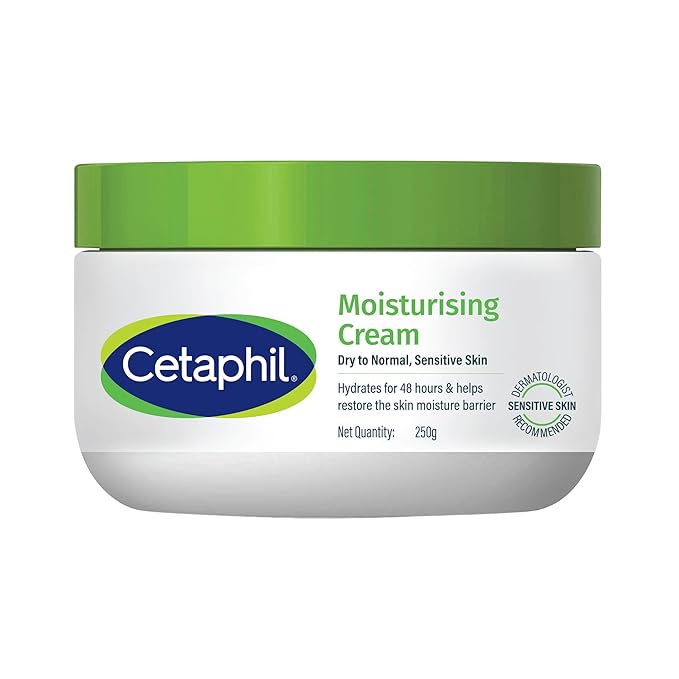
- Ceramide-heavy moisturiser year-round, heavier cream in winter
- Azelaic acid for redness and rosacea-prone skin (significantly more common in London's Fitzpatrick I–III demographic)
- A humidifier in winter — central heating + cold outside air = chronic skin dehydration
🇺🇸 New York — Four Seasons, Four Sets of Damage
UV Index (annual average): 4–8 (moderate to high in summer)
PM2.5: Moderate (improving, but subway + traffic still significant)
Water: Moderately soft (NYC water is actually among the better-quality US city water)
Humidity: Extreme swings — humid summers (70–80%), very dry winters (30–40%)
Temperature swings: Dramatic — -10°C winters to 35°C+ summers
Verdict: New York's damage is seasonal and cumulative. Summer UV is significant and often underestimated — New Yorkers spend more time outdoors in summer (rooftops, parks, walking) than residents of car-dependent cities. Winter cold and central heating create a brutal combination: outdoor cold strips lipids from the skin barrier, and indoor heating (which runs very dry in New York apartments) dehydrates it further.
The result is that New York skin tends to oscillate between oily/congested in summer and dry/sensitive in winter — and most residents use the same products year-round, which works for neither season.
What New York skin needs most:
- Season-switching: gel moisturiser + matte SPF in summer; cream moisturiser + humidifier in winter
- SPF 50 June–September especially (summer UV in NYC is genuinely high)
- Retinol in winter (skin tolerates actives better when not sweating and congested)
- Barrier repair focus November–March — ceramides, hyaluronic acid, overnight masks
The Ranking: Most to Least Skin-Aging
| Rank | City | Primary Skin Threat |
|---|---|---|
| 1 | 🇦🇪 Dubai | Extreme UV + barrier stripping from dry indoor air |
| 2 | 🇹🇭 Bangkok | Extreme UV + year-round humidity + seasonal pollution |
| 3 | 🇮🇳 Mumbai | High humidity + pollution + hard water |
| 4 | 🇺🇸 New York | Dramatic seasonal swings + summer UV |
| 5 | 🇬🇧 London | Silent UVA accumulation + hard water barrier damage |
London ranks last not because it's kind to skin — it isn't — but because its damage is slower and more correctable than the UV-extreme cities. The tragedy is that London's damage is the most preventable (daily SPF + filtered water rinse) and yet the most consistently ignored.
The One Thing Every City on This List Has in Common
SPF 50 broad-spectrum, applied every morning.
It's the single product that addresses the primary skin-ageing mechanism in every city on this list. UV damage — direct in Dubai and Bangkok, diffuse in London, seasonal in New York, combined with pollution in Mumbai — is responsible for an estimated 80–90% of visible skin ageing.
The city you live in changes what else you need. It doesn't change whether you need SPF.
Products Referenced
- Re'equil Ultra Matte Dry Touch SPF 50 — matte, sweat-resistant, ideal for Mumbai/Bangkok humidity
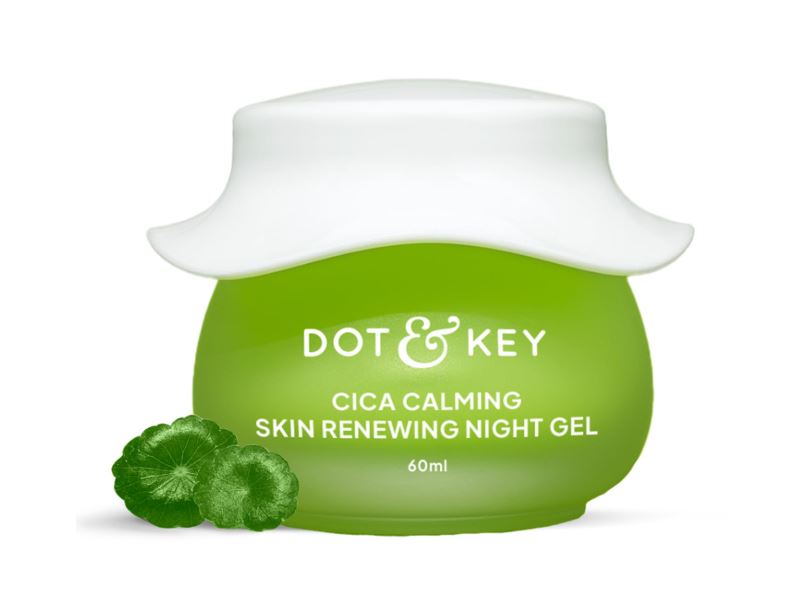
- Dot & Key CICA Gel — calming, lightweight, good for humidity-triggered sensitivity
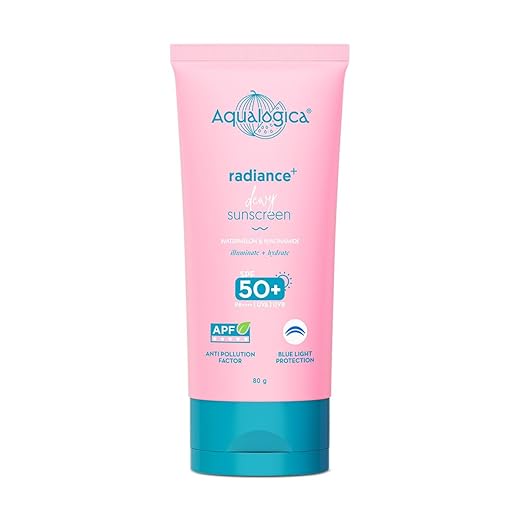
- Aqualogica Radiance+ Dewy Sunscreen — lightweight daily SPF, good for all climates
- Biore UV Aqua Rich SPF 50+ — the Bangkok/Southeast Asia benchmark sunscreen
- CeraVe Moisturising Cream — London/New York winter barrier repair staple
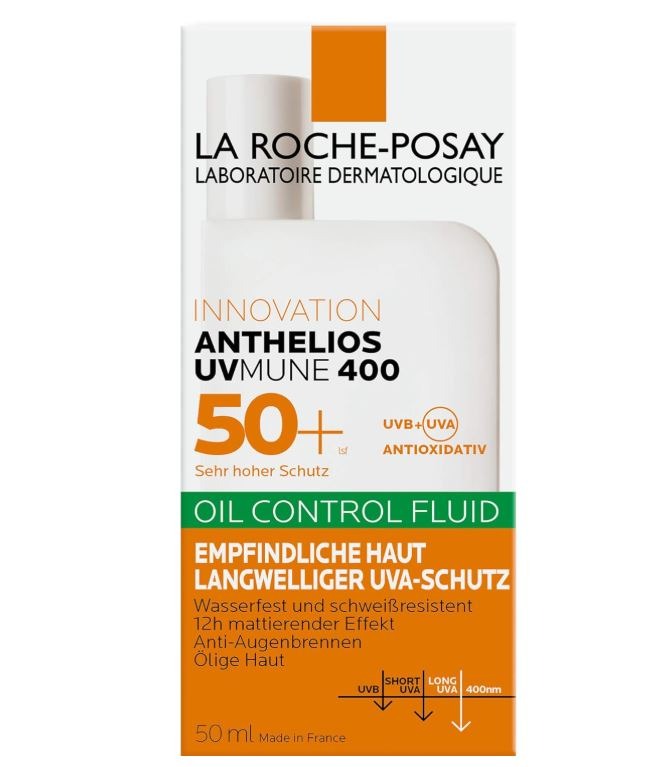
- La Roche-Posay Anthelios — widely available globally, one of the best broad-spectrum SPFs for all climates
Editorial Note
Mirha & Co. reviews skincare using ingredient analysis, formulation pH compatibility, and regional tap water hardness data. Simple guides for educational purposes—always patch test new products on your skin.