SKINCARE
CeraVe vs. Cetaphil vs. La Roche-Posay vs. Bioderma: Which Derm Brand Is Actually Worth Your Money in India?
All four sit on the same pharmacy shelf, yet prices jump from ₹210 to ₹1,600. Here is the honest, no-hype guide to where each brand actually shines—and where you can save.
Same Pharmacy Shelf, Very Different Prices
If you ask an Indian dermatologist or browse skincare threads for five minutes, the same four names always come up: Cetaphil, CeraVe, Bioderma, and La Roche-Posay.
On the surface, they sound identical—gentle, fragrance-free, barrier-friendly. Yet in India, one bottle costs ₹460 while another from the brand next to it costs ₹1,300+.
The secret is that you do not need to buy a full routine from any single brand. Each of these four does one job noticeably better than the others. Once you know which is which, building a routine gets much simpler—and much cheaper.
At a Glance: What Each Brand Does Best
| Brand | Where It Wins | Worth Skipping When... |
|---|---|---|
| Cetaphil | Simple, affordable daily cleansers | You want targeted acne or anti-aging actives |
| CeraVe | Ceramide-rich barrier repair moisturizers | Your skin feels congested by heavier creams |
| Bioderma | Ultra-gentle makeup & SPF removal | You want a high-strength exfoliating routine |
| La Roche-Posay | Next-gen European UV protection | You are shopping on a strict monthly budget |
1. Cetaphil — Where You Should Save Your Money
A face wash stays on your skin for less than a minute before it goes down the drain. Unless you are treating stubborn acne with a medicated wash, spending ₹1,500 on a cleanser rarely changes your skin.
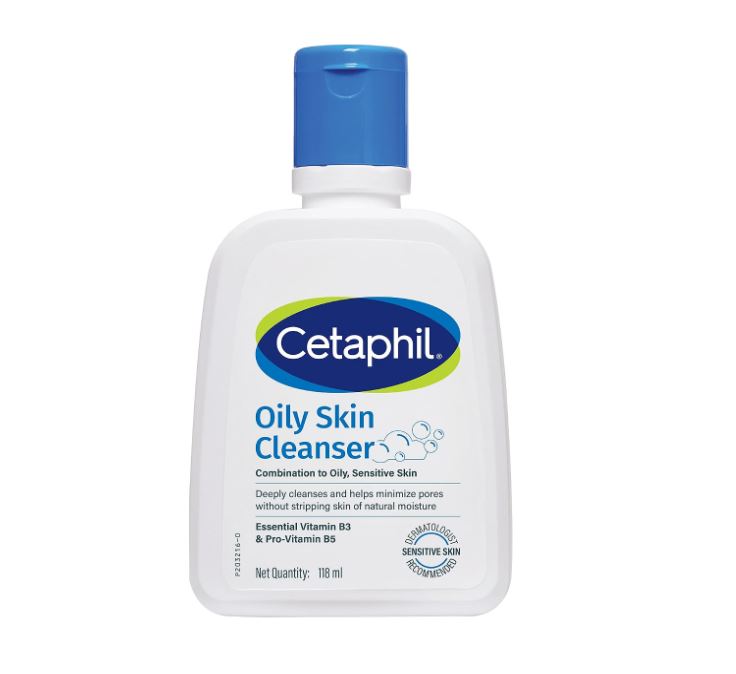
That is where Cetaphil wins. Its formulas are boring in the best way—predictable, low-foam, and easy to find at any local chemist. If your skin gets greasy by noon in Indian humidity, the Cetaphil Oily Skin Cleanser cleans away sweat and sunscreen without leaving your cheeks tight.
The takeaway: Put your savings into a simple Cetaphil wash and spend the rest of your budget where it stays on your face all day.
2. CeraVe — Best When Your Skin Barrier Feels Wrecked
Overdid salicylic acid, started a new retinol, or spent all day in harsh office AC? CeraVe is built specifically for that tight, flaky, irritated stage.
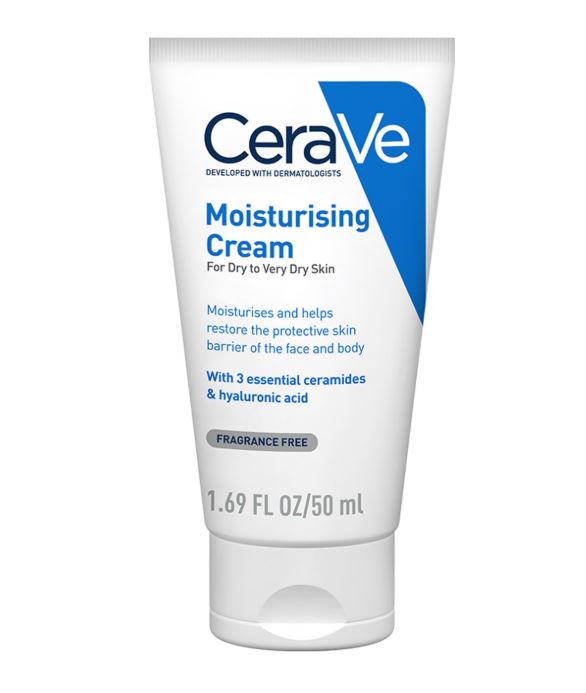
What sets CeraVe apart from basic lotions is its blend of three skin-identical ceramides and hyaluronic acid that slowly release moisture instead of sitting like grease on top. The travel-friendly CeraVe Moisturising Cream (50ml) is an easy, low-risk way to test it before committing to a giant tub.
The honest catch: If you have very oily skin in peak summer, the cream can feel rich—use a pea-sized amount at night rather than layering it under heavy daytime SPF.
3. Bioderma — The Gold Standard for Sensitive, Stinging Skin
When your skin is so reactive that even water and cotton pads make your cheeks flush, Bioderma is usually the first name makeup artists and dermatologists reach for.
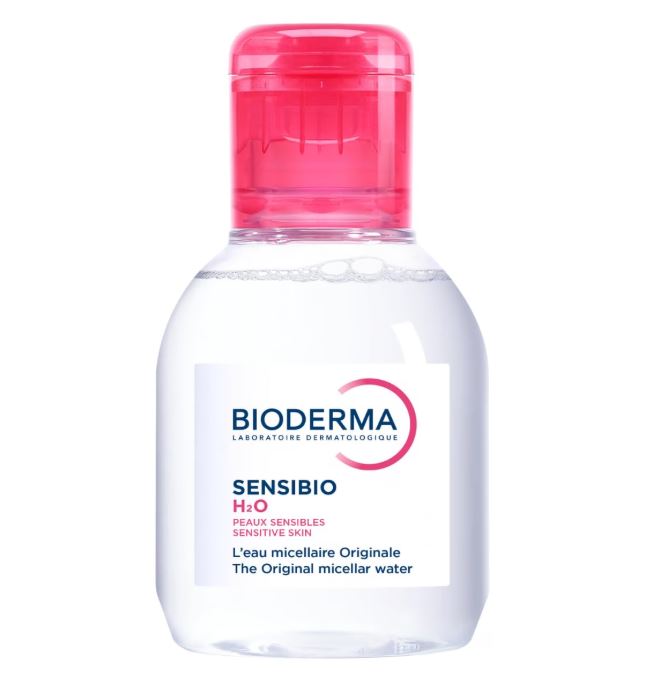
Bioderma Sensibio H2O Micellar Water lifts waterproof mascara, city pollution, and stubborn sunscreen cleanly without harsh rubbing or oily residue. You do not even feel a sticky film afterward, which is why it has stayed a cult favorite for decades.
The takeaway: Keep a bottle on your dresser for days when you wear makeup or water-resistant SPF and want zero drama.
4. La Roche-Posay — The One Place Worth Splurging
If there is one step in an Indian skincare routine worth spending ₹1,200+ on, it is sunscreen—especially if you struggle with tanning, melasma, or stubborn post-acne marks.
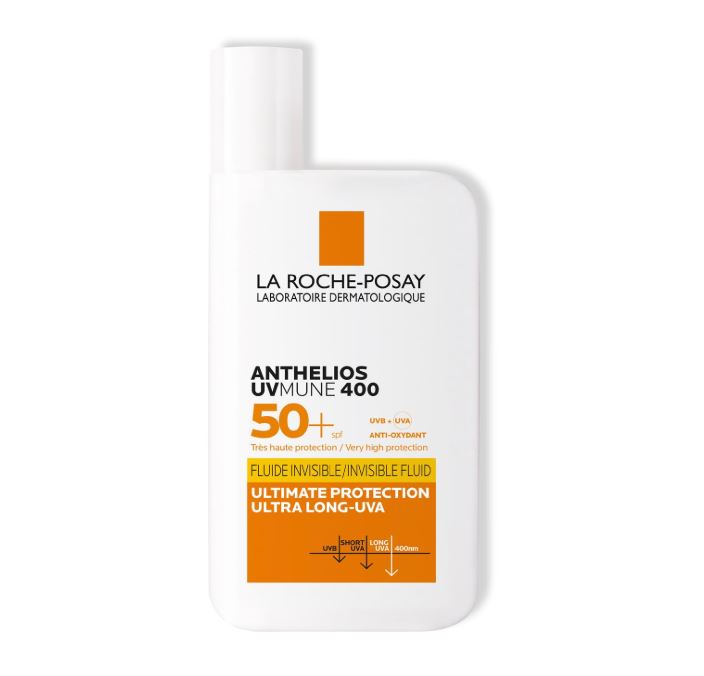
La Roche-Posay Anthelios UVMune 400 Invisible Fluid SPF 50+ uses Mexoryl 400, a European UV filter designed to block ultra-long UVA rays that regular sunscreens miss. Better yet, it dries down weightless with zero white cast on medium to deep skin tones.
The honest catch: It is pricey for daily reapplication. Many people save it for outdoor days, travel, or peak afternoon sun, and use a lighter Indian pharmacy SPF on indoor workdays.
One Quick Check Before You Open Any Imported Bottle
Want the complete 4-step routine? Because none of these four overlap—Bioderma to remove SPF, Cetaphil to wash, CeraVe to repair your barrier, and La Roche-Posay to shield from UVA—you can pick just one or add all four to your Amazon cart in one click below.
Because CeraVe, Bioderma, and La Roche-Posay are heavily imported in India, old-stock bottles pop up on marketplaces all the time. Before putting any new bottle on your face, flip it over and check the stamped code in our free Batch Code & Expiry Checker to make sure it is fresh.
Still figuring out which cleanser or SPF suits your city's humidity and tap water? Try our 60-second Climate Routine Quiz, or browse all dermatologist-backed picks by brand in the Shop.
Want all 4 picks together?
Add all 4 featured products to your Amazon cart in one click.
Editorial Note
Mirha & Co. reviews skincare using ingredient analysis, formulation pH compatibility, and regional tap water hardness data. Simple guides for educational purposes—always patch test new products on your skin.
Further Reading
Conscious Chemist Berry Bright vs. Sundrink vs. Round Lab Birch Juice: Which Sunscreen Actually Works in India?
SKINCARE · 5 minAnua Niacinamide + TXA vs. Hyphen Glow Serum (Plus Torriden & Heartleaf): Which Viral Serum Is Worth Buying?
SKINCARE · 6 minCetaphil vs CeraVe Cleanser: Which Gentle Wash Wins for Sensitive Indian Skin?
SKINCARE · 8 min